yo what limewire re-emerges in online rush The recent decision by CBS to pull a controversial “60 Minutes” segment has ignited a significant online response, leading to the resurgence of LimeWire as a platform for sharing the content.
yo what limewire re-emerges in online rush
Background of the Controversial Segment
The episode titled “Inside CECOT” aimed to shed light on the harrowing experiences of U.S. deportees who faced torture and abuse at the Center for the Confinement of Terrorism (CECOT) in El Salvador. This facility has garnered a notorious reputation for its inhumane treatment of inmates. The segment included powerful testimonies from former inmates, with one recalling being told, “Welcome to hell,” upon arrival.
Additionally, the episode featured a clip of former President Donald Trump praising CECOT and its leadership, describing the prison as having “great facilities, very strong facilities, and they don’t play games.” This juxtaposition of personal accounts of suffering with political endorsements raised ethical questions about the portrayal of such facilities in media.
Decision to Pull the Segment
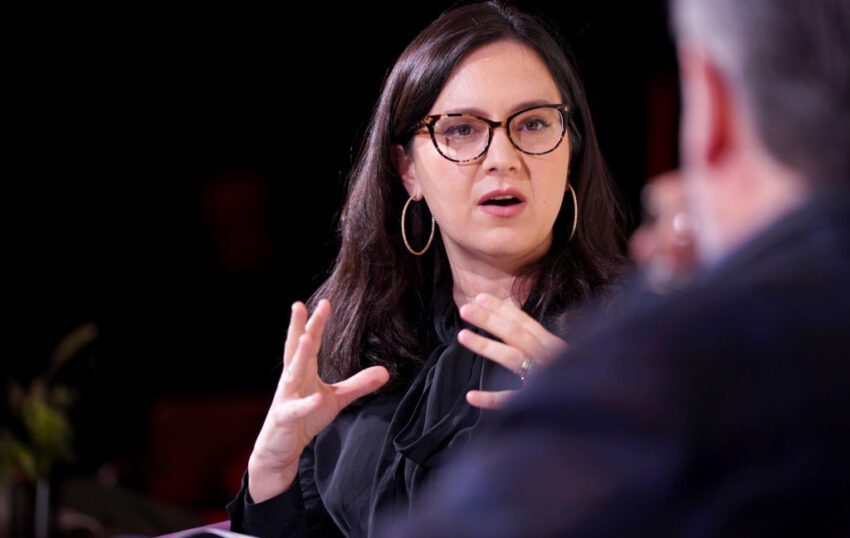
Bari Weiss, CBS’s editor-in-chief, made the controversial decision to pull the segment from airing. She justified her actions by stating that the episode lacked critical voices, particularly from Trump administration officials. Weiss argued that the segment “did not advance the ball” and merely echoed existing reports, as noted by NBC News.
Her stance has sparked debate regarding editorial discretion and the responsibilities of news organizations to present a balanced view. Weiss emphasized that holding stories for further development is a common practice in newsrooms, asserting that it happens “every day.” This rationale, however, has not quelled the backlash from viewers and critics alike.
The Online Response
In the wake of the segment’s removal, an unexpected resurgence of LimeWire has occurred. Originally known as a peer-to-peer file-sharing service that faced legal challenges in the early 2000s, LimeWire has re-emerged as a platform for users to share the pulled segment. This revival highlights the complexities of media consumption in the digital age, where traditional gatekeeping by media corporations can be circumvented by online communities.
The Role of Social Media
Social media platforms have played a crucial role in amplifying the demand for the segment. Users have taken to platforms like Twitter and Reddit to express their frustrations over the censorship and to share links to the segment on LimeWire. This grassroots movement underscores a growing trend where audiences seek alternative means to access information that mainstream media outlets may withhold.
Implications for Journalism
The incident raises significant questions about the future of journalism and the role of editorial decisions in shaping public discourse. Critics argue that withholding content, especially on sensitive topics such as human rights abuses, undermines the media’s responsibility to inform the public. The backlash against CBS’s decision suggests that audiences are increasingly unwilling to accept editorial gatekeeping, particularly when it comes to issues of social justice.
Stakeholder Reactions
The reactions to Weiss’s decision have been varied, with some supporting her editorial judgment while others vehemently oppose it. Media analysts have pointed out that the decision reflects broader tensions within the industry regarding how to balance editorial integrity with the public’s right to know.
Support for Weiss
Some supporters of Weiss argue that her decision was a necessary editorial choice aimed at maintaining journalistic standards. They contend that the absence of critical voices from the Trump administration could skew the narrative and misrepresent the complexities surrounding CECOT and its operations. This perspective emphasizes the importance of presenting a well-rounded view of controversial subjects.
Criticism from Advocacy Groups
Conversely, human rights advocates and critics have condemned the decision as an act of censorship. They argue that the testimonies of deportees are vital for understanding the realities of the conditions at CECOT and that withholding such information is a disservice to the public. Advocacy groups have called for greater transparency and accountability from media organizations, urging them to prioritize the voices of marginalized communities.
The Future of LimeWire and Digital Sharing
The resurgence of LimeWire as a means of sharing the pulled segment raises questions about the future of digital content sharing. As traditional media outlets grapple with the implications of censorship, platforms like LimeWire may become increasingly relevant for audiences seeking unfiltered access to information.
Legal and Ethical Considerations
The revival of LimeWire also brings to the forefront legal and ethical considerations surrounding file sharing. While the platform may provide a means to bypass traditional media gatekeeping, it also raises concerns about copyright infringement and the potential for misinformation. Users sharing content without proper context may inadvertently contribute to the spread of misleading narratives.
Impact on Media Consumption
This incident illustrates a shift in media consumption habits, where audiences are more inclined to seek out alternative sources of information. As traditional media faces scrutiny over editorial decisions, the demand for transparency and access to unfiltered content is likely to grow. This trend could lead to a more fragmented media landscape, where audiences rely on a diverse array of platforms to inform themselves.
Conclusion
The decision by CBS to pull the “60 Minutes” segment has sparked a significant online response, leading to the resurgence of LimeWire as a platform for sharing the content. This incident raises important questions about editorial discretion, the responsibilities of media organizations, and the evolving landscape of digital content sharing. As audiences increasingly seek alternative means to access information, the implications for journalism and media consumption are profound.
Source: Original report
Was this helpful?
Last Modified: December 24, 2025 at 3:39 am
1 views