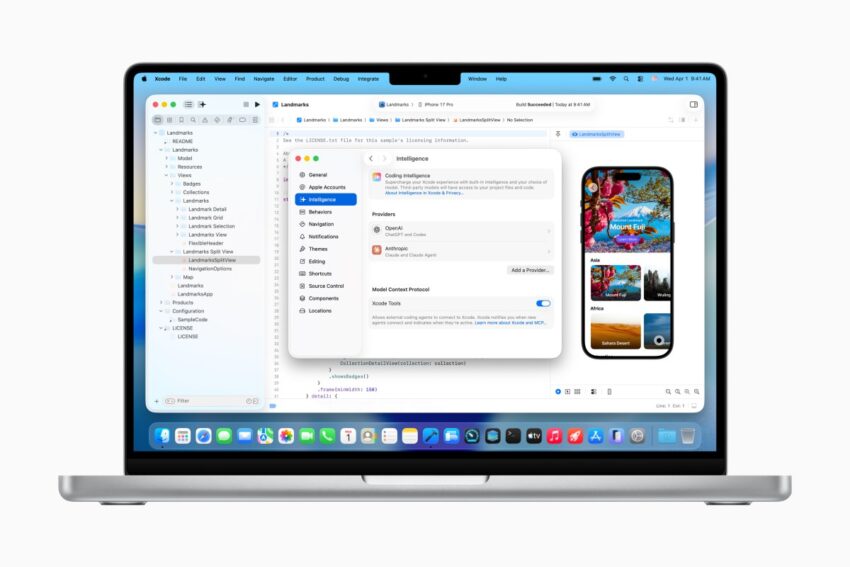
xcode moves into agentic coding with deeper Xcode 26.3 introduces significant advancements in coding capabilities through enhanced integrations with OpenAI and Anthropic, marking a pivotal shift towards agentic coding.
xcode moves into agentic coding with deeper
Introduction to Agentic Coding
Agentic coding represents a transformative approach in software development, where coding tools leverage artificial intelligence (AI) to assist developers in writing code more efficiently and effectively. This paradigm shift is characterized by the ability of AI systems to understand context, suggest code snippets, and even generate entire functions based on natural language prompts. The integration of AI into development environments aims to streamline workflows, reduce errors, and enhance overall productivity.
Xcode 26.3: A New Era of Development
Apple’s Xcode has long been a cornerstone for developers working within the Apple ecosystem, providing a suite of tools for building applications across iOS, macOS, watchOS, and tvOS. The latest version, Xcode 26.3, takes a bold step forward by incorporating agentic coding capabilities through deeper integrations with two leading AI platforms: OpenAI’s Codex and Anthropic’s Claude Agent. This move not only enhances the functionality of Xcode but also positions Apple at the forefront of the AI-driven development landscape.
OpenAI’s Codex Integration
OpenAI’s Codex has gained recognition for its ability to translate natural language into code, making it a powerful tool for developers. By integrating Codex into Xcode 26.3, Apple enables developers to leverage this advanced AI model to generate code snippets based on simple text prompts. For instance, a developer could type a request like “create a function to calculate the factorial of a number,” and Codex would generate the corresponding code in the appropriate programming language.
This integration not only speeds up the coding process but also lowers the barrier to entry for novice developers. By allowing users to express their coding needs in plain language, Xcode 26.3 democratizes access to programming, making it more accessible to a broader audience. This shift could lead to an increase in the number of individuals entering the tech field, fostering innovation and diversity.
Anthropic’s Claude Agent
Alongside OpenAI, Anthropic’s Claude Agent also plays a crucial role in Xcode 26.3. Claude is designed to assist developers by providing contextual suggestions and insights, enhancing the coding experience. This AI agent can analyze existing code, understand its structure, and offer recommendations for improvements or optimizations. For example, if a developer is working on a complex algorithm, Claude can suggest alternative approaches or highlight potential pitfalls based on best practices.
The integration of Claude into Xcode allows for a more interactive and responsive development environment. Developers can engage in a dialogue with Claude, asking questions and receiving real-time feedback. This dynamic interaction not only aids in problem-solving but also fosters a collaborative atmosphere between human developers and AI agents.
Implications for Developers
The introduction of agentic coding capabilities in Xcode 26.3 has far-reaching implications for developers of all skill levels. Here are some key areas where these advancements are likely to make an impact:
- Increased Productivity: With AI handling routine coding tasks and providing suggestions, developers can focus on higher-level design and architecture, ultimately leading to faster project completion.
- Enhanced Learning Opportunities: Novice developers can learn from the AI’s suggestions, gaining insights into coding best practices and improving their skills over time.
- Reduced Errors: AI-generated code is often more reliable, as it is based on extensive training data. This can lead to fewer bugs and issues in the final product.
- Collaboration and Team Dynamics: The integration of AI tools can foster a more collaborative environment, where developers can share insights and strategies with AI agents, leading to a more cohesive team dynamic.
Challenges and Considerations
While the advancements in Xcode 26.3 are promising, they are not without challenges. Developers and organizations must consider several factors as they adopt these new tools:
Dependence on AI
One of the primary concerns is the potential over-reliance on AI tools. While AI can significantly enhance productivity, developers must remain vigilant to ensure they do not become overly dependent on these systems. Critical thinking and problem-solving skills are essential in software development, and an over-reliance on AI could hinder the development of these skills.
Quality Control
Another challenge is maintaining quality control. While AI-generated code can be efficient, it may not always align with specific project requirements or coding standards. Developers must review and test AI-generated code thoroughly to ensure it meets the necessary criteria.
Ethical Considerations
The integration of AI in coding also raises ethical questions. Issues related to data privacy, intellectual property, and the potential for bias in AI-generated content must be addressed. Developers and organizations must establish guidelines to navigate these challenges responsibly.
Stakeholder Reactions
The release of Xcode 26.3 has elicited a range of reactions from stakeholders in the tech community. Developers, educators, and industry leaders have expressed both excitement and caution regarding the new capabilities.
Developer Community
Many developers have welcomed the integration of AI tools, recognizing the potential for increased productivity and enhanced learning opportunities. However, some seasoned developers have voiced concerns about the implications of AI on traditional coding practices. They emphasize the importance of maintaining a balance between leveraging AI and honing fundamental coding skills.
Educational Institutions
Educators are particularly interested in how these advancements can be incorporated into coding curricula. The ability to use AI tools in learning environments could provide students with hands-on experience and a deeper understanding of coding concepts. However, educators also acknowledge the need to teach students critical thinking skills and the importance of understanding the underlying principles of programming.
Industry Leaders
Industry leaders have expressed optimism about the future of software development with AI integration. Many see this as a step towards a more efficient and innovative tech landscape. However, they also recognize the need for ongoing research and development to address the challenges associated with AI in coding.
Conclusion
Xcode 26.3 represents a significant advancement in the integration of AI into software development, offering developers powerful tools through OpenAI’s Codex and Anthropic’s Claude Agent. The introduction of agentic coding capabilities has the potential to transform the coding landscape, making it more accessible and efficient. However, as with any technological advancement, it is essential for developers and organizations to navigate the challenges and ethical considerations that arise. The future of coding is undoubtedly intertwined with AI, and Xcode 26.3 sets the stage for a new era of development.
Source: Original report
Was this helpful?
Last Modified: February 4, 2026 at 2:40 pm
7 views