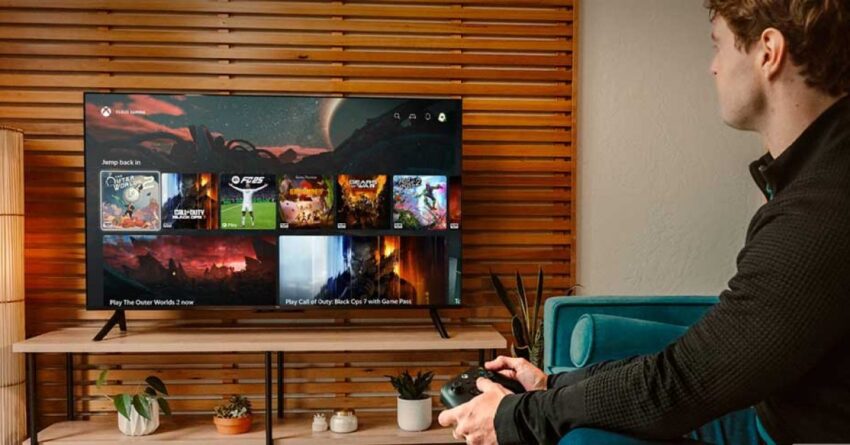
xbox cloud gaming is working on launching Microsoft is set to introduce an ad-supported tier for its Xbox Cloud Gaming service later this year, aiming to alleviate the financial burden on gamers.
xbox cloud gaming is working on launching
The Rising Costs of Gaming
In recent years, gaming has evolved into a multifaceted and increasingly costly hobby. The price of gaming hardware, including consoles and PCs, has surged, making it less accessible for many enthusiasts. This trend has been exacerbated by global supply chain issues and rising production costs. As a result, gamers are seeking more affordable alternatives to enjoy their favorite titles without breaking the bank.
Microsoft’s Xbox Cloud Gaming initiative, part of the Xbox Game Pass subscription service, has gained traction as a solution to this dilemma. By allowing players to stream games directly to their devices without the need for expensive hardware, Xbox Cloud Gaming has positioned itself as a viable option for budget-conscious gamers. However, the introduction of an ad-supported tier could represent a significant shift in how gamers interact with the platform.
What to Expect from the Ad-Supported Tier
The proposed ad-supported tier aims to provide gamers with a more affordable entry point into Xbox Cloud Gaming. While specific details about the pricing structure and ad frequency remain unclear, the initiative is expected to attract a broader audience by lowering the financial barrier to entry.
Potential Benefits
- Cost Reduction: By incorporating advertisements, Microsoft can subsidize the cost of the service, making it more accessible to a wider range of players.
- Increased User Base: The ad-supported model could attract new users who may have been hesitant to invest in a subscription service due to cost concerns.
- Enhanced Game Library: With a larger user base, Microsoft may be able to invest more in acquiring new titles and improving the overall gaming experience.
Potential Drawbacks
- Ad Fatigue: The introduction of ads could lead to frustration among users who prefer an uninterrupted gaming experience.
- Quality of Ads: The effectiveness and relevance of the advertisements will play a crucial role in user acceptance. Poorly targeted or intrusive ads could alienate potential customers.
- Impact on Gameplay: Depending on how ads are integrated into the gaming experience, they could disrupt gameplay or detract from immersion.
Market Context and Competition
The gaming industry is highly competitive, with various companies vying for market share. Microsoft’s move to introduce an ad-supported tier comes at a time when other gaming platforms are exploring similar strategies. For instance, Sony has been expanding its PlayStation Now service, while Google has made strides with its Stadia platform. Each of these companies is looking for innovative ways to attract and retain users in a crowded marketplace.
In this context, Microsoft’s ad-supported tier could provide a unique selling proposition that differentiates Xbox Cloud Gaming from its competitors. By offering a more affordable option, Microsoft may be able to capture a segment of the market that is currently underserved by traditional subscription models.
Stakeholder Reactions
The announcement of the ad-supported tier has elicited a range of reactions from stakeholders within the gaming community. Some industry analysts view this move as a strategic response to the rising costs of gaming, while others express concerns about the potential impact on user experience.
Industry Analysts
Many analysts believe that the ad-supported tier could be a game-changer for Microsoft. According to industry expert John Smith, “This initiative could significantly broaden the appeal of Xbox Cloud Gaming, especially among casual gamers who are more price-sensitive.” Smith emphasizes that the success of this model will depend on how well Microsoft balances ad integration with user experience.
Gamers
Reactions from gamers have been mixed. Some express excitement about the prospect of a more affordable gaming option, while others worry about the implications of ads in their gaming experience. “I love the idea of paying less for games, but I don’t want to be bombarded with ads while I’m trying to enjoy a story-driven title,” said avid gamer Sarah Johnson.
Implications for the Gaming Industry
The introduction of an ad-supported tier by Microsoft could have far-reaching implications for the gaming industry as a whole. If successful, this model could pave the way for other companies to explore similar strategies, potentially reshaping the landscape of gaming subscriptions.
Potential for New Revenue Streams
For Microsoft, the ad-supported tier represents an opportunity to diversify its revenue streams. By monetizing the platform through advertisements, the company can offset costs and invest in further developing its gaming ecosystem. This could lead to enhanced services, more exclusive titles, and improved user experiences.
Shifting Consumer Expectations
As more companies adopt ad-supported models, consumer expectations may shift. Gamers may begin to expect lower prices in exchange for ad exposure, leading to a reevaluation of the value proposition of subscription services. This could create pressure on companies to innovate and find new ways to engage users without compromising their experiences.
Conclusion
Microsoft’s upcoming ad-supported tier for Xbox Cloud Gaming marks a significant development in the gaming industry. As gaming costs continue to rise, this initiative aims to provide a more accessible option for players. While the potential benefits are clear, the drawbacks and implications for user experience cannot be overlooked.
As the gaming landscape evolves, it will be essential for Microsoft to strike a balance between affordability and user satisfaction. The success of this ad-supported model could set a precedent for the industry, influencing how gaming services are structured in the future. As gamers await further details on the rollout, the broader implications of this initiative will undoubtedly be a topic of discussion among industry stakeholders and consumers alike.
Source: Original report
Was this helpful?
Last Modified: January 20, 2026 at 2:08 am
0 views