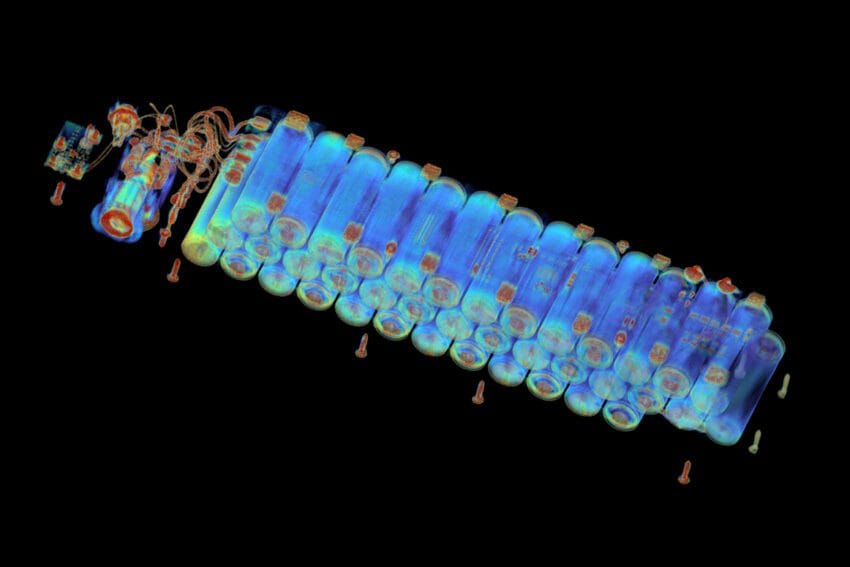
x-ray scans reveal the hidden risks of Recent findings from Lumafield highlight significant safety concerns regarding low-cost lithium-ion batteries, revealing a stark contrast in quality compared to established brand-name alternatives.
x-ray scans reveal the hidden risks of
Overview of the Study
Lumafield, a company specializing in advanced imaging technology, has conducted an extensive study analyzing over 1,000 lithium-ion batteries using computed tomography (CT) scanners. This technology allows for a detailed three-dimensional view of the internal structures of objects, revealing potential manufacturing defects that may not be visible externally. The study specifically focused on 18650 lithium-ion battery cells, which are commonly used in a variety of devices, including electric bicycles, power tools, electric toothbrushes, power banks, and electric vehicles.
Methodology
The research involved purchasing batteries from ten different brands, categorized into three distinct groups:
- Original Equipment Manufacturers (OEMs): This group included well-known brands such as Samsung and Panasonic, sourced from highly reviewed and specialized suppliers.
- Rewrap Vendors: These batteries typically consist of OEM cells that have had their outer plastic wrapping replaced. They were sourced from specialized battery websites or the brands’ own online stores.
- Low-Cost and Counterfeit Brands: This category included batteries purchased from large, general online retailers like Temu, which are often marketed at significantly lower prices.
In total, Lumafield scanned 1,054 batteries, with approximately 100 batteries from each brand. The results of the study revealed alarming findings regarding the quality and safety of low-cost and counterfeit batteries.
Key Findings
Manufacturing Defects Identified
Among the batteries analyzed, Lumafield discovered that 33 batteries exhibited a serious manufacturing defect known as negative anode overhang. This defect is particularly concerning as it significantly increases the risk of internal short-circuiting, which can lead to battery fires and explosions. Additionally, negative anode overhang can reduce the overall lifespan of the affected batteries.
All 33 defective batteries were sourced from the 424 low-cost brands or brands selling counterfeit products. One notable counterfeit battery was identified by its pink wrapper, which mimicked the design used by Samsung for its 30Q cells. This highlights a growing trend where counterfeit products not only imitate the appearance of reputable brands but also mislead consumers regarding their quality and safety.
Discrepancies in Battery Specifications
Another alarming aspect of the study was the discrepancy in battery specifications. Some low-cost brands claimed their batteries had capacities of 9,900 mAh, while reputable brand-name 18650 batteries typically have capacities ranging from 3,000 to 3,450 mAh. In real-world testing, Lumafield found that the actual capacities of these counterfeit batteries were often less than 1,300 mAh, raising serious concerns about their performance and reliability.
Statistical Analysis of Defects
When focusing solely on the low-cost and counterfeit batteries, Lumafield’s findings indicated that there was nearly an 8 percent chance that these batteries could possess the dangerous negative anode overhang defect. For two specific counterfeit brands that reported implausible specifications, the percentage of tested batteries found to have this defect was even higher—exceeding 12 and 15 percent, respectively. In stark contrast, none of the name-brand OEM batteries exhibited any defects, and while there were some deviations in anode overhang for rewrap batteries, these deviations were seven times worse for the low-cost cells.
Quality Indicators and Risks
Edge Alignment Issues
In addition to negative anode overhang, Lumafield’s study also examined other indicators of build quality. The analysis revealed that all batteries from low-cost brands exhibited significantly worse edge alignment of their internal wound layers compared to those produced by reputable OEMs. Poor edge alignment can increase the risk of short circuits and performance degradation, further compromising the safety of these batteries.
Potential Consequences of Defects
While defects such as negative anode overhang and poor edge alignment do not guarantee that a battery will explode or catch fire, they do increase the likelihood of such incidents occurring, particularly when combined with external factors. For instance, leaving a battery in a hot environment, such as a car, or subjecting it to physical stress from accidental drops can exacerbate these risks. This underscores the importance of using high-quality batteries, especially in devices that are frequently used or stored in varying conditions.
Implications for Consumers
The findings from Lumafield’s study serve as a critical reminder for consumers about the importance of purchasing batteries from reputable brands. The risks associated with low-cost and counterfeit batteries can far outweigh the initial savings, potentially leading to dangerous situations that could result in property damage or personal injury.
Safety and Reliability of Brand-Name Batteries
The results of the study suggest that batteries from reputable OEMs like Samsung, Panasonic, and Murata are significantly safer and more reliable. These manufacturers adhere to strict quality control measures and industry standards, ensuring that their products meet safety requirements. While rewrap batteries performed relatively well in Lumafield’s tests, the lack of transparency regarding their sourcing raises concerns about potential lapses in quality control throughout the supply chain.
Consumer Awareness and Education
Not all consumers have access to advanced imaging technology like X-ray CT scanners to assess the quality of batteries in their devices. Therefore, it is crucial for consumers to remain vigilant and informed when making purchasing decisions. Opting for devices from reputable brands can significantly increase the chances that their batteries are free from dangerous manufacturing defects.
Conclusion
In summary, Lumafield’s study highlights the hidden risks associated with low-cost lithium-ion batteries, particularly those sold through general online retailers. The stark contrast in quality between brand-name batteries and their cheaper counterparts underscores the importance of consumer awareness and the potential dangers of opting for lower-priced alternatives. As the demand for battery-powered devices continues to grow, ensuring the safety and reliability of the batteries that power them should remain a top priority for consumers and manufacturers alike.
Source: Original report
Was this helpful?
Last Modified: September 25, 2025 at 3:40 am
8 views