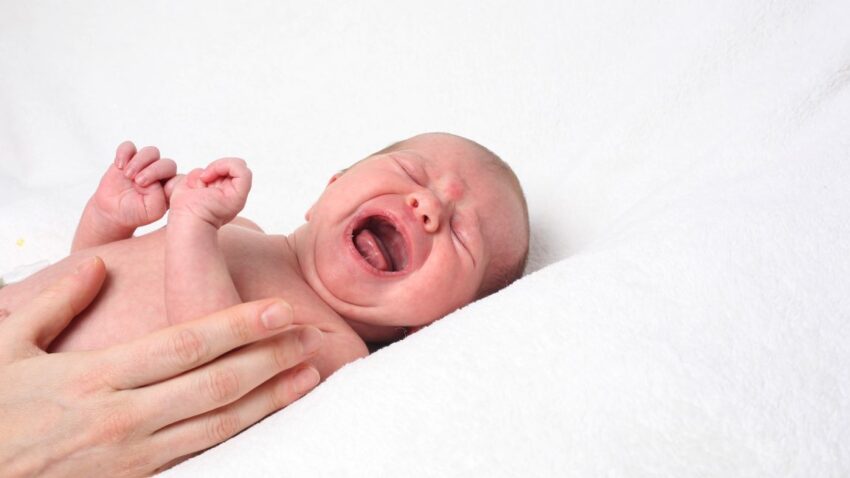
without evidence rfk jr s vaccine panel In a controversial move, federal vaccine advisors selected by Health Secretary Robert F. Kennedy Jr. have voted to remove the recommendation for newborns to receive the hepatitis B vaccine on the day of birth.
without evidence rfk jr s vaccine panel
Background on Hepatitis B Vaccination
The hepatitis B vaccine has been a cornerstone of public health initiatives aimed at preventing the spread of hepatitis B virus (HBV), a serious infection that can lead to chronic liver disease, liver cancer, and premature death. The Centers for Disease Control and Prevention (CDC) recommends that all infants receive the hepatitis B vaccine within the first 24 hours of life. This recommendation is based on extensive research demonstrating that early vaccination significantly reduces the risk of HBV infection.
Hepatitis B is particularly concerning because it can be transmitted from mother to child during childbirth. Infants who contract the virus are at a higher risk of developing chronic infections, which can lead to severe health complications later in life. The vaccine has been shown to be safe and effective, with a long history of use in various populations around the world.
The Recent Vote
In a surprising decision, the panel, which is part of the Advisory Committee on Immunization Practices (ACIP), voted to eliminate the recommendation for the immediate vaccination of newborns against hepatitis B. This vote was conducted without any evidence presented that indicated harm from the current vaccination schedule or any benefits from delaying the vaccination.
The decision has raised significant concerns among public health experts and medical professionals. Many argue that this change could lead to an increase in hepatitis B infections among newborns, potentially resulting in a rise in chronic liver diseases and associated complications in the future.
Reactions from Public Health Experts
The vote has been met with widespread condemnation from various stakeholders in the healthcare community. Public health experts have expressed alarm over the potential implications of this decision. They argue that the change undermines decades of progress in the fight against hepatitis B and could reverse gains made in reducing the incidence of the virus.
Dr. Cody Meissner, a pediatrician and a voting member of ACIP, voiced his concerns during the panel’s deliberations. “I will just say we have heard ‘do no harm’ is a moral imperative. We are doing harm by changing this [recommendation],” he stated emphatically as he cast his vote against the change. His comments reflect a broader sentiment among many healthcare professionals who believe that the decision could have dire consequences for public health.
Historical Context
The hepatitis B vaccine has been part of the routine immunization schedule in the United States since 1991. Its introduction has led to a significant decline in the incidence of hepatitis B infections among children and adolescents. The vaccine is not only effective in preventing the disease but also plays a crucial role in reducing the long-term health complications associated with chronic HBV infections.
Studies have consistently shown that vaccinating infants at birth is the most effective way to prevent mother-to-child transmission of the virus. The World Health Organization (WHO) supports this practice, emphasizing that timely vaccination is essential for protecting vulnerable populations.
Implications of the Decision
The decision to remove the recommendation for immediate hepatitis B vaccination could have far-reaching consequences. Experts warn that delaying vaccination could lead to an increase in the number of infants who contract the virus, particularly those born to mothers who are hepatitis B positive. This could result in a higher incidence of chronic infections, which are associated with severe health outcomes, including liver disease and cancer.
Furthermore, the change may contribute to a decline in public trust in vaccination programs. As misinformation about vaccines continues to spread, decisions like this one can exacerbate fears and hesitancy among parents regarding the safety and efficacy of vaccines. Public health officials have long emphasized the importance of maintaining high vaccination rates to achieve herd immunity and protect the most vulnerable members of society.
Stakeholder Responses
Responses to the panel’s decision have varied across different sectors. Public health organizations, pediatricians, and infectious disease specialists have largely condemned the vote, calling for a reevaluation of the decision based on scientific evidence and public health principles.
Organizations such as the American Academy of Pediatrics (AAP) and the Infectious Diseases Society of America (IDSA) have expressed their concerns, emphasizing the importance of adhering to evidence-based guidelines for vaccination. They argue that the decision could undermine years of public health progress and place infants at unnecessary risk.
On the other hand, proponents of the decision argue that it reflects a more cautious approach to vaccination, suggesting that parents should have the option to delay vaccinations based on individual circumstances. However, this perspective has been met with skepticism by many in the medical community, who argue that the risks of delaying vaccination far outweigh any potential benefits.
The Role of Misinformation
The recent vote is emblematic of a broader trend in public health, where misinformation and skepticism about vaccines have gained traction. The rise of anti-vaccine sentiment has led to increased scrutiny of vaccination policies and recommendations, often fueled by unfounded fears and anecdotal evidence.
Health Secretary Robert F. Kennedy Jr. has been a prominent figure in the anti-vaccine movement, advocating for vaccine safety and questioning the necessity of certain vaccinations. His influence on the panel has raised concerns about the potential politicization of public health decisions, particularly those related to vaccination.
Future Considerations
As the implications of this decision unfold, public health officials will need to closely monitor the impact on hepatitis B infection rates and related health outcomes. It will be crucial to gather data on the effects of delaying vaccination and to assess whether the decision leads to an increase in infections among newborns.
Moreover, there is a pressing need for public health campaigns to address vaccine hesitancy and misinformation. Educating parents about the importance of timely vaccination and the risks associated with delaying vaccines will be essential in maintaining high vaccination rates and protecting public health.
Conclusion
The decision to eliminate the recommendation for immediate hepatitis B vaccination for newborns raises significant concerns among public health experts and medical professionals. With no evidence supporting the change and a wealth of data indicating the benefits of early vaccination, the implications of this vote could be profound. As the healthcare community grapples with the potential consequences, it is imperative to prioritize evidence-based practices and uphold the moral imperative of “do no harm.”
Source: Original report
Was this helpful?
Last Modified: December 5, 2025 at 10:36 pm
0 views