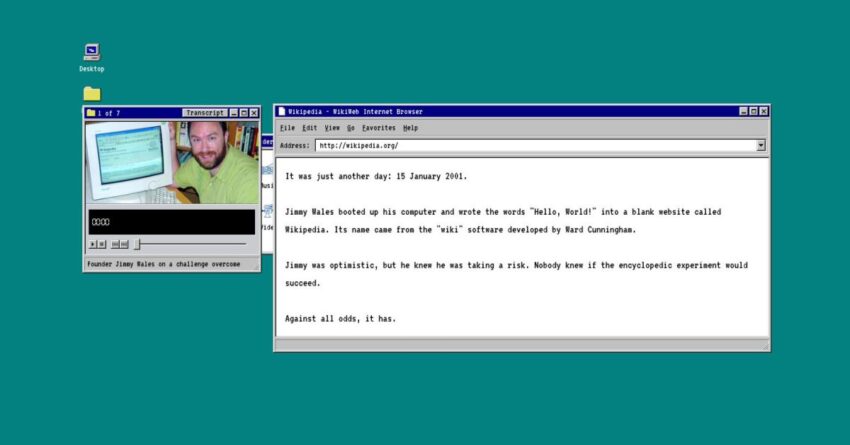
wikipedia turns 25 today but faces more Wikipedia marks its 25th anniversary today, yet its future is increasingly uncertain as it confronts a myriad of challenges that could threaten its very existence.
wikipedia turns 25 today but faces more
A Quarter-Century of Knowledge Sharing
Launched on January 15, 2001, Wikipedia has grown from a simple online encyclopedia into one of the most visited websites globally, serving as a vital resource for millions of users seeking information on a vast array of topics. The platform operates on a collaborative model, allowing volunteers from around the world to contribute and edit content, which has made it a unique and invaluable repository of human knowledge.
Over the years, Wikipedia has amassed over 6 million articles in English alone, with versions in numerous other languages. Its commitment to providing free access to information has democratized knowledge, making it accessible to individuals regardless of their socioeconomic status. This ethos of openness has been a cornerstone of Wikipedia’s mission, enabling it to thrive in an increasingly digital world.
Current Challenges Facing Wikipedia
Despite its success, Wikipedia is currently grappling with several significant challenges that threaten its sustainability and reliability. These challenges can be categorized into three primary areas: misinformation, funding, and regulatory pressures.
Misinformation and Content Quality
One of the most pressing issues Wikipedia faces is the proliferation of misinformation. As the internet becomes a breeding ground for false narratives and conspiracy theories, maintaining the accuracy of content on Wikipedia has become increasingly difficult. The platform relies heavily on volunteer editors to monitor and update articles, but the sheer volume of information available online makes it challenging to ensure that all entries are accurate and up-to-date.
In recent years, high-profile events such as the COVID-19 pandemic and political upheavals have underscored the importance of reliable information. Wikipedia has made strides in combating misinformation by implementing stricter guidelines for sourcing and editing content, but the effectiveness of these measures remains uncertain. The risk of biased or incorrect information being presented as fact poses a significant threat to Wikipedia’s credibility.
Funding and Financial Sustainability
Another critical challenge is financial sustainability. Wikipedia is operated by the Wikimedia Foundation, a nonprofit organization that relies on donations to fund its operations. While the foundation has enjoyed substantial support from users and philanthropic organizations, the increasing costs associated with maintaining and improving the platform pose a significant concern.
In recent years, the Wikimedia Foundation has launched various fundraising campaigns to secure the necessary funds for its operations. However, as the demand for digital content grows, so too does the competition for donor dollars. The foundation must continually innovate and demonstrate its value to potential donors to ensure its financial viability. If these efforts fall short, Wikipedia could face significant operational challenges in the future.
Regulatory Pressures and Legal Challenges
Wikipedia is also navigating a complex landscape of regulatory pressures and legal challenges. Governments around the world are increasingly scrutinizing online platforms, demanding greater accountability for the content they host. This scrutiny has led to calls for stricter regulations governing misinformation, data privacy, and user safety.
For Wikipedia, this means potentially facing legal repercussions for the content hosted on its platform. The Wikimedia Foundation has historically maintained a policy of neutrality, allowing users to contribute freely without editorial oversight. However, this approach may become untenable as regulatory bodies impose stricter guidelines. The foundation must balance its commitment to free expression with the need to comply with evolving legal standards.
The Community’s Role in Wikipedia’s Future
The Wikipedia community plays a crucial role in addressing these challenges. With a diverse group of volunteers dedicated to maintaining the platform, the community is essential for ensuring the accuracy and reliability of information. However, the community itself faces challenges, including declining participation and the need for new contributors.
Encouraging New Contributors
As Wikipedia approaches its 25th anniversary, attracting new contributors has become increasingly important. The original cohort of editors is aging, and there is a pressing need to engage younger generations who are more accustomed to consuming information through social media and other digital platforms. The Wikimedia Foundation has initiated various outreach programs aimed at increasing diversity among contributors, focusing on underrepresented groups and demographics.
These efforts are vital for ensuring that Wikipedia remains a comprehensive and inclusive resource. A diverse contributor base can help mitigate biases that may arise from a homogenous group of editors, ultimately enhancing the quality and reliability of the information presented on the platform.
Community Initiatives and Engagement
In addition to outreach efforts, the Wikipedia community has launched various initiatives to improve content quality and combat misinformation. For instance, the “WikiProject” initiative allows editors to collaborate on specific topics, ensuring that articles are well-researched and accurately sourced. These collaborative efforts not only enhance the quality of content but also foster a sense of community among editors.
Furthermore, the community has developed tools and resources to assist editors in identifying and addressing misinformation. These tools include automated bots that flag potential issues and provide guidance on best practices for editing. By leveraging technology, the community can more effectively combat the challenges posed by misinformation.
The Future of Wikipedia
As Wikipedia celebrates its 25th anniversary, the future of the platform hangs in the balance. While it has made significant strides in providing free access to information, the challenges it faces are formidable. The interplay of misinformation, funding, and regulatory pressures creates a complex landscape that requires careful navigation.
However, the resilience of the Wikipedia community and the commitment of the Wikimedia Foundation to adapt and innovate offer a glimmer of hope. By fostering a diverse and engaged contributor base, implementing effective strategies to combat misinformation, and securing sustainable funding, Wikipedia can continue to thrive in the digital age.
Implications for Knowledge Sharing
The implications of Wikipedia’s challenges extend beyond the platform itself. As one of the largest and most influential sources of information on the internet, Wikipedia sets a precedent for other digital platforms. The way it addresses issues of misinformation, funding, and regulation may serve as a model for other organizations navigating similar challenges.
Moreover, the ongoing evolution of Wikipedia highlights the importance of reliable information in an increasingly complex digital landscape. As misinformation continues to proliferate, the need for trustworthy sources becomes ever more critical. Wikipedia’s commitment to accuracy and openness serves as a reminder of the value of collaborative knowledge sharing in combating the challenges of the information age.
Conclusion
Wikipedia’s 25th anniversary is a moment for reflection on its achievements and challenges. As it navigates a rapidly changing digital landscape, the platform’s future will depend on its ability to adapt and innovate in the face of adversity. The collective efforts of the Wikipedia community, along with the support of the Wikimedia Foundation, will be crucial in ensuring that this invaluable resource continues to thrive for generations to come.
Source: Original report
Was this helpful?
Last Modified: January 15, 2026 at 8:49 pm
7 views