why you don t want to get A man in Ireland has been diagnosed with a rare and perplexing case of tuberculosis affecting his penis, raising concerns about the implications of such infections and their origins.
why you don t want to get
Case Overview
According to a recent article published in ASM Case Reports, the 57-year-old man sought medical attention at a hospital in Dublin after experiencing significant discomfort in his genital area. Over the course of a week, he noticed that his penis had become red, swollen, and painful, accompanied by a fever. Given his medical history, including a kidney transplant 15 years prior, the situation was particularly concerning.
Medical Background
The patient had been on immunosuppressive drugs to prevent his body from rejecting the transplanted kidney. While these medications are crucial for organ transplant recipients, they also compromise the immune system, making individuals more susceptible to infections. This background is essential for understanding the potential severity of his condition.
Initial Diagnosis
Upon admission to the hospital, doctors conducted initial blood work that indicated signs of an infection. Initially, they suspected a bacterial skin infection known as cellulitis, which is characterized by redness, swelling, and pain in the affected area. In response, the medical team began administering standard antibiotics to combat the presumed bacterial infection.
Progression of Symptoms
Despite the treatment, the patient’s condition deteriorated. The redness and swelling of his penis worsened, prompting the medical team to reconsider their initial diagnosis. The antibiotics were ineffective, leading to a consultation with infectious disease specialists for a more in-depth evaluation.
Infectious Disease Consultation
The involvement of infectious disease specialists marked a critical turning point in the patient’s care. These experts conducted a series of tests to identify the underlying cause of the infection. Their investigations revealed that the symptoms were not consistent with a typical bacterial infection. Instead, they pointed towards a more unusual etiology.
Diagnosis of Tuberculosis
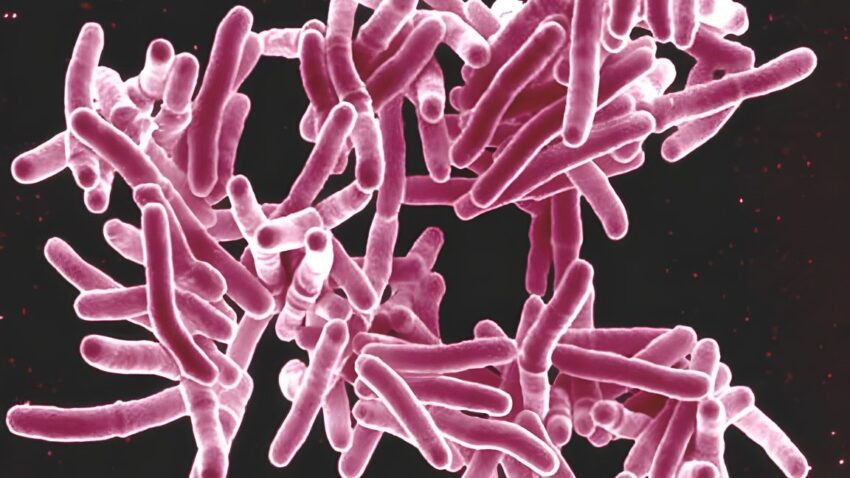
Ultimately, the diagnosis confirmed that the man had developed a rare form of tuberculosis (TB) localized to his penis. This condition is exceedingly uncommon, as TB typically affects the lungs, but it can manifest in other parts of the body, including the genitals. The origin of this infection remains unclear, but it may be linked to the patient’s work with dead animals, which could expose him to various pathogens, including Mycobacterium tuberculosis, the bacterium responsible for TB.
Understanding Genital Tuberculosis
Genital tuberculosis is a rare manifestation of the disease, often overshadowed by its more common pulmonary form. The World Health Organization (WHO) estimates that TB remains a significant global health issue, causing millions of infections and deaths each year. However, genital TB is infrequently reported, making this case particularly noteworthy.
Symptoms and Diagnosis
Symptoms of genital tuberculosis can vary widely and may include:
- Pain or discomfort in the genital area
- Swelling or lesions on the penis
- Fever and general malaise
- Urinary symptoms, such as dysuria or hematuria
The diagnosis often requires a combination of clinical evaluation, imaging studies, and laboratory tests, including cultures and biopsies. In this case, the patient’s immunocompromised status likely complicated the diagnosis, as typical symptoms may not present as they would in a healthy individual.
Treatment and Prognosis
Upon confirming the diagnosis of genital tuberculosis, the medical team initiated a treatment regimen tailored to combat the infection. Treatment for tuberculosis typically involves a multi-drug approach, often including:
- Isoniazid
- Rifampicin
- Pyridoxine
- Ethambutol
This combination therapy is usually administered over a period of six to nine months, depending on the severity of the infection and the patient’s response to treatment. Given the patient’s immunocompromised status, close monitoring was essential to ensure that the treatment was effective and to manage any potential side effects.
Potential Complications
While genital tuberculosis is treatable, it can lead to significant complications if not addressed promptly. These may include:
- Chronic pain and discomfort
- Scarring or deformity of the genital area
- Infertility issues in males
- Increased risk of HIV transmission due to compromised mucosal integrity
The psychological impact of such a diagnosis can also be profound, affecting the patient’s mental health and quality of life. Stigmas associated with sexually transmitted infections and tuberculosis may further complicate the patient’s emotional well-being.
Public Health Implications
This case underscores the importance of awareness regarding rare manifestations of tuberculosis, particularly in immunocompromised individuals. Public health officials emphasize the need for education and screening, especially for those who may be at higher risk due to occupational exposures or underlying health conditions.
Awareness and Prevention
Preventive measures are crucial in reducing the incidence of tuberculosis, particularly in vulnerable populations. These measures include:
- Regular screening for TB in high-risk groups
- Vaccination with the Bacillus Calmette-Guérin (BCG) vaccine, where appropriate
- Public education campaigns to raise awareness about TB transmission and symptoms
Additionally, healthcare providers must remain vigilant in recognizing atypical presentations of tuberculosis, ensuring timely diagnosis and treatment.
Conclusion
The case of the Irish man diagnosed with genital tuberculosis serves as a reminder of the complexities associated with infectious diseases, particularly in individuals with compromised immune systems. It highlights the need for comprehensive medical evaluations and the importance of considering rare conditions in differential diagnoses. As public health efforts continue to combat tuberculosis globally, awareness and education remain key components in preventing such rare but serious infections.
Source: Original report
Was this helpful?
Last Modified: November 22, 2025 at 4:36 am
10 views