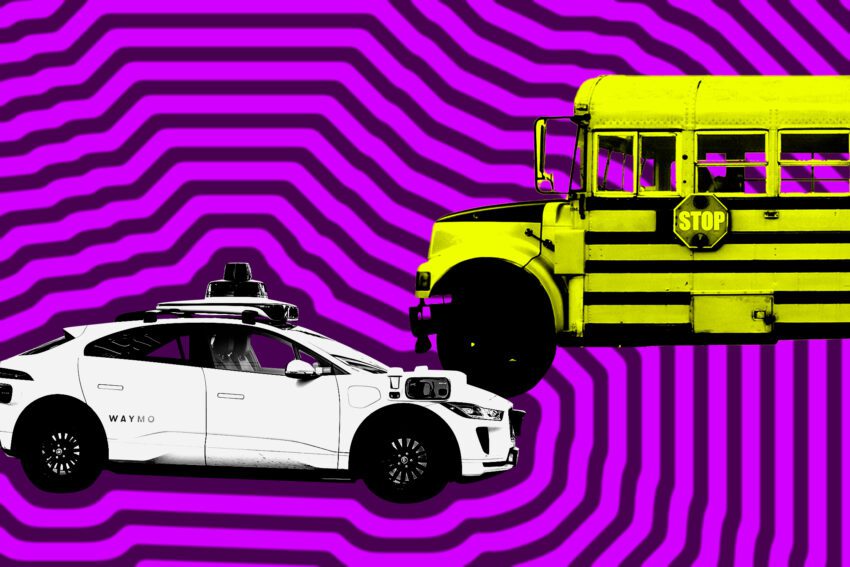
why waymo is having a hard time Waymo, the self-driving technology company owned by Alphabet, is currently grappling with a significant challenge in ensuring the safety of its autonomous vehicles, particularly in school zones.
why waymo is having a hard time
Background on Waymo’s Safety Culture
Waymo has long positioned itself as a leader in the autonomous vehicle industry, emphasizing a culture of caution and safety. This approach is critical, especially as the company prepares for major rollouts of its robotaxi services across various cities in the United States. The emphasis on safety is not merely a marketing strategy; it is a fundamental aspect of the company’s operational philosophy. Waymo has invested heavily in technology and research to ensure that its vehicles can navigate complex environments safely.
Despite these efforts, recent incidents have raised serious concerns about the effectiveness of Waymo’s safety protocols. The company’s commitment to cautious driving is being put to the test, particularly in areas where the stakes are high, such as school zones. The ability to recognize and respond appropriately to school buses is a critical component of ensuring the safety of children and other pedestrians.
Investigation by the NHTSA
In December, the National Highway Traffic Safety Administration (NHTSA) initiated an investigation into Waymo’s operations following reports from Austin’s largest school district. The district reported at least 19 incidents where Waymo’s robotaxis failed to fully stop for school buses during loading and unloading. This behavior is not only concerning but also illegal in all 50 states, where vehicles are required to stop when a school bus has its stop sign extended.
The NHTSA’s investigation underscores the seriousness of the situation. The agency is responsible for ensuring that vehicles on U.S. roads meet safety standards, and any failure to comply can have significant repercussions for the company involved. The incidents reported in Austin are particularly troubling given the potential for severe consequences, including accidents that could result in injury or death.
Details of the Incidents
The incidents reported involved Waymo’s robotaxis operating in close proximity to school buses, which were actively loading or unloading children. In these situations, the law mandates that all vehicles must come to a complete stop to ensure the safety of children entering or exiting the bus. However, Waymo’s vehicles reportedly failed to adhere to this requirement, raising questions about the effectiveness of their sensor technology and decision-making algorithms.
Waymo’s response to the investigation has been proactive. The company has stated that it is cooperating fully with the NHTSA and is committed to addressing any issues identified during the investigation. Waymo has also emphasized that it is continuously improving its technology to enhance safety and compliance with traffic laws.
Implications for Waymo’s Future
The implications of these incidents extend beyond immediate safety concerns. As Waymo prepares for broader deployment of its robotaxi services, maintaining public trust is essential. Incidents involving school buses can significantly damage the company’s reputation, particularly among parents and communities who prioritize child safety. If Waymo cannot demonstrate that it can operate safely in sensitive areas, it may face significant hurdles in gaining regulatory approval for its services in new markets.
Furthermore, the investigation by the NHTSA could lead to more stringent regulations for autonomous vehicles. As the industry continues to evolve, regulatory bodies are likely to take a closer look at the safety records of companies like Waymo. This scrutiny could result in additional requirements for testing and compliance, potentially delaying the rollout of autonomous services.
Stakeholder Reactions
The reactions from various stakeholders have been mixed. Parents and community members have expressed concern over the safety of their children, particularly in light of the reported incidents. Many are calling for increased oversight and regulation of autonomous vehicles to ensure that they can operate safely in school zones.
On the other hand, industry experts have pointed out that the challenges faced by Waymo are not unique to the company. The autonomous vehicle industry as a whole is still in its infancy, and many companies are grappling with similar issues. As technology continues to advance, it is expected that these challenges will be addressed, but the path forward may be fraught with obstacles.
Technological Challenges
One of the core challenges that Waymo faces is the complexity of programming vehicles to navigate real-world scenarios. School zones present a unique set of challenges, including the need to recognize and respond to a variety of signals and behaviors. For example, children may not always be predictable, and their movements can be erratic. Additionally, the presence of school buses adds another layer of complexity, as these vehicles have specific regulations that must be followed.
Waymo’s sensor technology is designed to detect and interpret a wide range of objects and signals. However, the incidents in Austin suggest that there may be gaps in the system’s ability to accurately assess situations involving school buses. This raises questions about the algorithms used to make driving decisions and whether they are adequately equipped to handle the nuances of real-world driving.
Future Developments
In response to the investigation and the incidents reported, Waymo is likely to ramp up its efforts to enhance its technology. This may include refining its algorithms to improve recognition and response to school buses and other critical traffic signals. Additionally, the company may invest in further testing in school zones to ensure that its vehicles can operate safely in these environments.
Waymo’s commitment to safety will be crucial as it navigates these challenges. The company has a vested interest in demonstrating that it can operate safely and responsibly, particularly as it seeks to expand its services. The outcome of the NHTSA investigation will likely play a significant role in shaping the company’s future strategies and operations.
Conclusion
Waymo’s current challenges highlight the complexities of deploying autonomous vehicles in real-world environments. The incidents involving school buses serve as a reminder of the importance of safety, particularly in sensitive areas like school zones. As the NHTSA investigates these incidents, the implications for Waymo and the broader autonomous vehicle industry will continue to unfold. The company’s ability to address these challenges effectively will be critical in determining its future success and the public’s perception of autonomous technology.
Source: Original report
Was this helpful?
Last Modified: February 6, 2026 at 12:53 am
0 views