why nasa imsa and tech companies are A new collaboration between NASA, IMSA, and various tech companies aims to enhance technology transfer from motorsports to the automotive industry.
why nasa imsa and tech companies are
The Significance of the Rolex 24
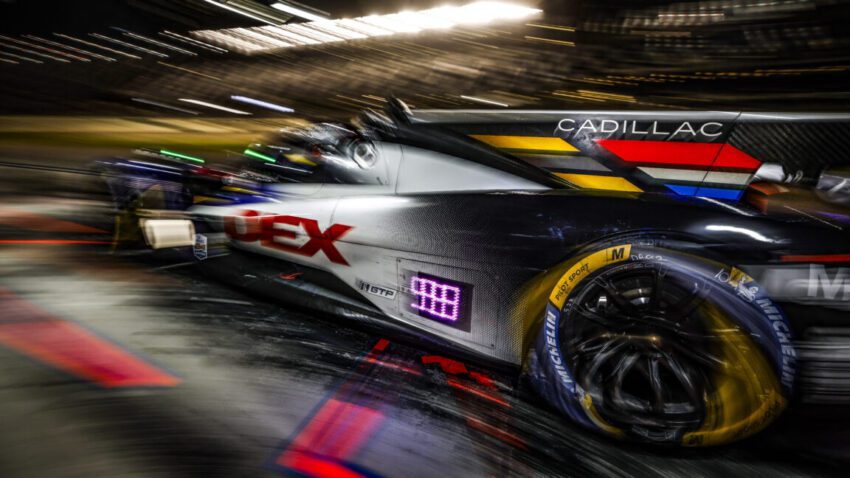
Daytona Beach, Florida, recently hosted the annual Rolex 24, a prestigious 24-hour endurance race that marks the beginning of the American racing season. This event is not only a showcase of speed and endurance but also a platform for technological innovation. Each year, the race attracts an increasing number of spectators, drawn by the excitement of hybrid prototypes competing in the GTP class. These vehicles are among the most sophisticated and complex race cars in the world, second only to Formula 1 cars. Their sleek designs and cutting-edge technology capture the imagination of racing fans and automotive enthusiasts alike.
The Evolution of Endurance Racing
Endurance racing has a rich history of pushing the boundaries of automotive technology. Many features that are now standard in everyday vehicles originated from the racetrack. Innovations such as seatbelts, rear-view mirrors, turbocharged engines, advanced aerodynamics, direct-injection engines, and dual-clutch gearboxes have all been influenced by the relentless pursuit of speed and efficiency in motorsports. While the direct transfer of racing technology to consumer vehicles may seem less common today, the intangible benefits of collaboration between motorsports engineers and road car developers continue to flourish.
Data-Driven Innovations
One of the most exciting developments in modern endurance racing is the vast amount of data generated during events like the Rolex 24. Each of the 11 GTP cars participating in the race collects approximately 1,600 different channels of data from onboard sensors. This data is invaluable for understanding vehicle performance, driver behavior, and race strategy. Additionally, the GTD machines, which are based on road-going cars such as Porsche’s 911 and Chevrolet’s Corvette, generate nearly as much data.
The Role of IMSA Labs
Recognizing the potential of this data, IMSA (International Motor Sports Association) is launching IMSA Labs, an initiative aimed at leveraging the wealth of information collected during races to aid automotive and technology companies in developing better simulation tools. This initiative represents a significant step forward in the collaboration between motorsports and the automotive industry.
The Importance of Technology Transfer
Technology transfer is a critical process that allows innovations developed in one field to be adapted and utilized in another. In the context of motorsports, this transfer can lead to advancements in safety, performance, and efficiency in consumer vehicles. The collaboration between IMSA and tech companies aims to facilitate this process by providing access to the extensive data generated during races.
Potential Benefits for Automotive Companies
Automotive manufacturers stand to gain significantly from the insights provided by IMSA Labs. By analyzing the data collected during races, companies can refine their vehicle designs, improve safety features, and enhance overall performance. For instance, understanding how different aerodynamic configurations affect lap times can lead to more efficient designs for consumer vehicles. Similarly, insights into tire performance under various conditions can inform tire development for everyday cars.
Stakeholder Reactions
The announcement of IMSA Labs has garnered positive reactions from various stakeholders in the automotive and technology sectors. Executives from leading automotive manufacturers have expressed enthusiasm about the potential for collaboration. Many see this initiative as an opportunity to bridge the gap between racing and consumer vehicle development.
NASA’s Involvement
NASA’s involvement in this initiative adds another layer of credibility and expertise. The agency has a long history of technology transfer, particularly in the aerospace sector. By partnering with IMSA and tech companies, NASA aims to apply its experience in data analysis and simulation to the world of motorsports. This collaboration could lead to breakthroughs not only in racing but also in the development of advanced automotive technologies.
Challenges and Considerations
While the prospects of IMSA Labs are promising, there are challenges that must be addressed. One significant hurdle is the integration of data from various sources. The data collected during races is vast and complex, and ensuring that it can be effectively analyzed and utilized by automotive companies will require robust data management systems and analytical tools.
Data Privacy and Security
Another consideration is data privacy and security. As automotive companies gain access to sensitive performance data, it will be essential to establish protocols to protect this information. Ensuring that data is used ethically and responsibly will be crucial for maintaining trust among stakeholders.
Future Implications
The establishment of IMSA Labs marks a pivotal moment in the relationship between motorsports and the automotive industry. As technology continues to evolve, the potential for innovation through collaboration becomes increasingly significant. The insights gained from endurance racing can lead to advancements that benefit consumers, enhance safety, and improve environmental sustainability.
The Road Ahead
Looking ahead, the collaboration between IMSA, NASA, and tech companies could pave the way for new technologies that redefine the automotive landscape. As electric and hybrid vehicles become more prevalent, the lessons learned from racing can inform the development of more efficient powertrains and battery technologies. Furthermore, advancements in simulation tools can enhance the design process, allowing manufacturers to create vehicles that are not only faster but also safer and more environmentally friendly.
Conclusion
The partnership between IMSA, NASA, and tech companies represents a significant step forward in the world of technology transfer. By harnessing the wealth of data generated during endurance racing, this collaboration has the potential to drive innovation in the automotive industry. As the lines between motorsports and consumer vehicles continue to blur, the future looks promising for both sectors.
Source: Original report
Was this helpful?
Last Modified: January 28, 2026 at 1:42 am
0 views