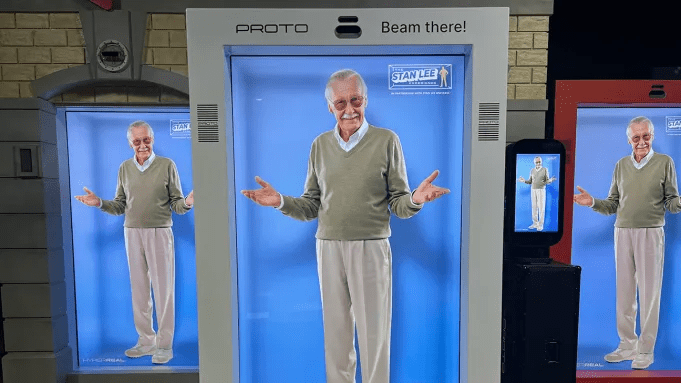
why la comic con thought making an LA Comic Con has stirred controversy by introducing an AI-powered hologram of the late Stan Lee, allowing fans to interact with a digital avatar of the iconic Marvel Comics creator.
why la comic con thought making an
Background on Stan Lee and His Legacy
Stan Lee, who passed away in November 2018 at the age of 95, was a pivotal figure in the comic book industry. As a writer and editor for Marvel Comics, he co-created numerous beloved characters, including Spider-Man, the X-Men, Iron Man, Thor, and the Hulk. His contributions not only shaped the comic book landscape but also influenced the broader entertainment industry, particularly through the successful Marvel Cinematic Universe (MCU).
Lee was known for his charismatic personality, engaging storytelling, and ability to connect with fans. His legacy continues to resonate, making him a cultural icon long after his death. The idea of resurrecting his likeness through technology raises both excitement and ethical concerns among fans and critics alike.
The AI-Powered Hologram at LA Comic Con
Scheduled for the weekend of the event, the AI Stan Lee hologram is designed to provide an interactive experience for attendees. For a fee ranging from $15 to $20, fans can enter an enclosed booth to engage with a life-sized avatar of Lee. The hologram is powered by artificial intelligence, which allows it to respond to questions and comments in a manner reminiscent of the late creator.
While the concept aims to honor Lee’s legacy and provide fans with a unique experience, it has sparked a significant backlash. Critics argue that the use of AI to recreate a deceased individual for entertainment purposes is not only ethically questionable but also potentially exploitative.
Initial Reactions from Fans and Media
Upon the announcement of the AI Stan Lee hologram, reactions from fans and media outlets were overwhelmingly negative. A writer for TheGamer described the concept as “demonic,” suggesting that it should be “killed with fire before it’s too late.” This sentiment was echoed by the AV Club, which cautioned readers against paying to see “the anguished digital ghost of a beloved comic book creator, repurposed as a trap for chumps!”
Social media platforms, particularly Reddit, became hotbeds for criticism. Users expressed their discontent, labeling the hologram as “incredibly disrespectful,” “ghoulish,” and “in bad taste.” Many commenters felt that the hologram trivialized Lee’s contributions and legacy, reducing a complex individual to a mere digital novelty.
The Perspective of LA Comic Con Organizers
In light of the backlash, Chris DeMoulin, the CEO of the parent company behind LA Comic Con, defended the initiative. He urged critics to experience the hologram firsthand before forming opinions. “We’re not afraid of people seeing it and we’re not afraid of criticism,” DeMoulin stated in an interview with Ars Technica. “I’m just a fan of informed criticism, and I think most of what’s been out there so far has not really been informed.”
DeMoulin emphasized that the hologram is intended as a tribute to Lee, not as a means of exploitation. He believes that the technology can serve as a bridge between fans and the creator, allowing for a deeper connection to Lee’s work and legacy. The hologram is designed to engage fans in a way that is both entertaining and respectful, according to DeMoulin.
Technological Aspects of the Hologram
The technology behind the AI-powered hologram involves sophisticated algorithms and machine learning techniques. By analyzing Lee’s past interviews, speeches, and public appearances, the AI is programmed to mimic his speech patterns and mannerisms. This allows the hologram to respond to fan inquiries in a manner that feels authentic to Lee’s persona.
While the technology is impressive, it raises questions about authenticity and representation. Critics argue that no digital recreation can truly capture the essence of a person, especially someone as dynamic and multifaceted as Stan Lee. The hologram’s responses, while generated to reflect Lee’s style, may lack the depth and nuance that characterized his real-life interactions.
Ethical Considerations
The introduction of an AI-powered hologram of a deceased individual brings forth a host of ethical dilemmas. One of the primary concerns is the notion of consent. Stan Lee’s family and estate have not publicly commented on the hologram, leaving fans to wonder whether this digital representation aligns with Lee’s wishes. The question of whether it is appropriate to use someone’s likeness after their death for commercial purposes is a contentious issue.
Moreover, the implications of using AI in this manner extend beyond Stan Lee. As technology continues to advance, the potential for creating digital avatars of other deceased figures raises concerns about the commodification of memory and legacy. The line between honoring someone’s contributions and exploiting their image becomes increasingly blurred.
Fan Perspectives and Community Reactions
Within the fan community, opinions are deeply divided. Some fans view the hologram as a novel way to celebrate Lee’s legacy, offering a unique opportunity to interact with a figure who has had a profound impact on their lives. For these individuals, the hologram represents a chance to engage with the spirit of creativity that Lee embodied.
Conversely, many fans feel that the hologram diminishes the authenticity of their connection to Lee. They argue that no technology can replicate the genuine interactions they had with him at conventions or through his work. The hologram, in their view, risks reducing a beloved figure to a mere spectacle, stripping away the personal connections that fans cherish.
Implications for the Future of AI in Entertainment
The controversy surrounding the AI Stan Lee hologram raises broader questions about the role of artificial intelligence in the entertainment industry. As technology continues to evolve, the potential for creating lifelike representations of individuals—both living and deceased—will likely become more prevalent. This trend could lead to new forms of storytelling and engagement, but it also necessitates careful consideration of ethical boundaries.
Industry experts suggest that as AI technology advances, creators and companies must prioritize transparency and consent. Engaging with the families and estates of deceased individuals will be crucial in ensuring that their legacies are honored appropriately. Additionally, the entertainment industry may need to establish guidelines for the ethical use of AI in recreating figures from the past.
Conclusion
The introduction of an AI-powered Stan Lee hologram at LA Comic Con has ignited a passionate debate about the intersection of technology, ethics, and fandom. While some see it as a tribute to a beloved creator, others view it as a troubling exploitation of his legacy. As the conversation continues, it is clear that the implications of such technology will resonate far beyond this singular event, shaping the future of how we engage with the memories of those who have shaped our cultural landscape.
Source: Original report
Was this helpful?
Last Modified: September 27, 2025 at 5:37 pm
6 views