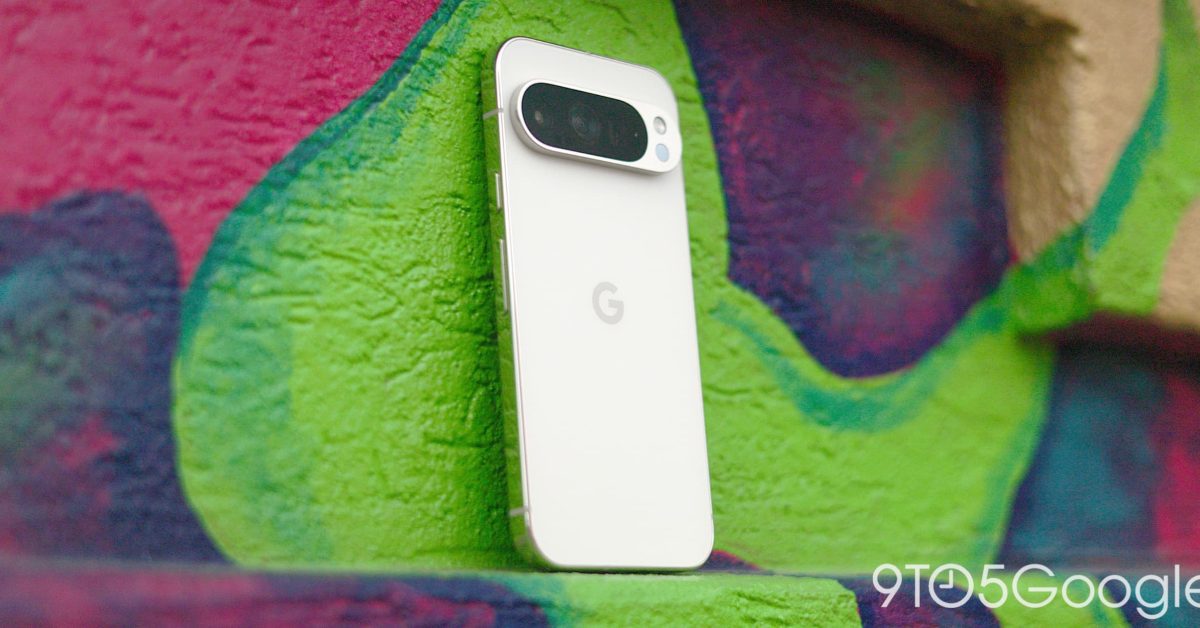
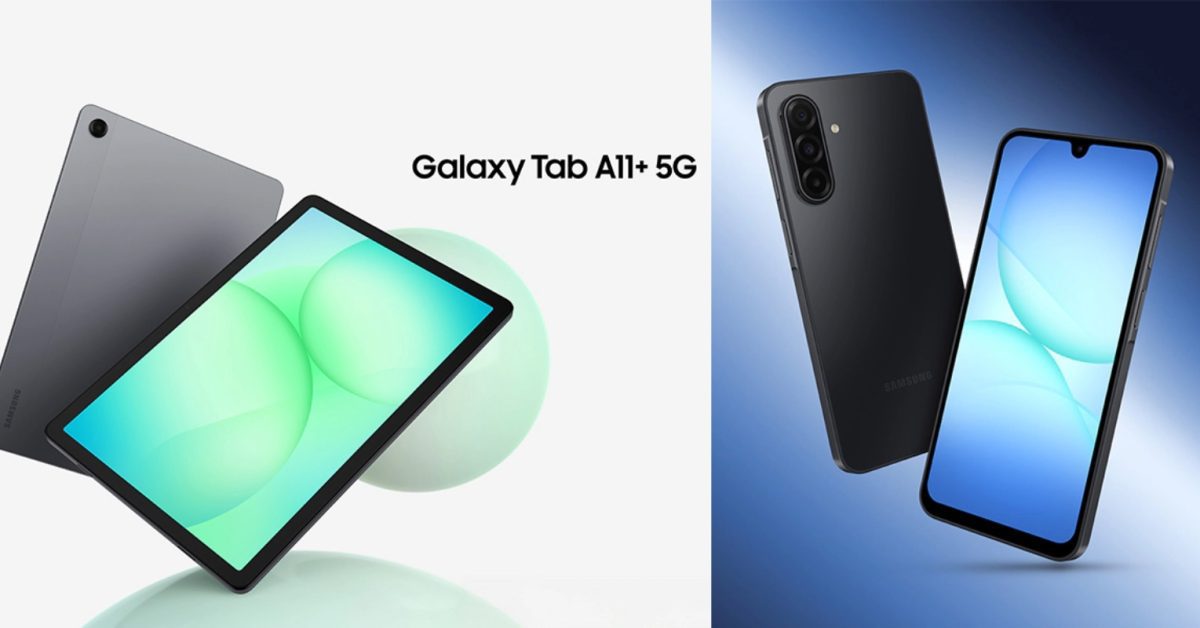
why do android oems copy apple so Recent trends indicate a noticeable pattern of Android Original Equipment Manufacturers (OEMs) adopting design elements and features from Apple, raising questions about the motivations behind this phenomenon.
why do android oems copy apple so
The Imitation Game: A Historical Perspective
The relationship between Android OEMs and Apple has long been characterized by a complex interplay of competition and imitation. This trend is not entirely new; however, it has intensified in recent years. Historically, the smartphone market has seen various manufacturers take cues from Apple’s successful designs and features. This practice can be traced back to the early days of smartphones when Apple’s iPhone set new standards for user experience, design aesthetics, and functionality.
In the years following the iPhone’s launch in 2007, many Android manufacturers sought to replicate its success by adopting similar design philosophies. This included everything from hardware aesthetics to software interfaces. The question arises: why do these manufacturers feel compelled to mimic Apple so closely?
Market Dynamics and Competitive Pressure
One of the primary reasons Android OEMs copy Apple is the intense competitive pressure within the smartphone market. With a plethora of manufacturers vying for consumer attention, standing out is crucial. Apple has established itself as a premium brand, and its products often command higher price points. This success creates a benchmark for other companies to aspire to, leading them to adopt similar features and designs in hopes of capturing a share of that lucrative market.
Additionally, the smartphone market is characterized by rapid innovation cycles. Companies must continually update their offerings to keep pace with consumer expectations. As Apple introduces new features, such as advanced camera systems or innovative software functionalities, Android OEMs often feel the need to respond in kind. This results in a cycle where imitation becomes a strategy for survival and relevance.
Consumer Expectations and Brand Perception
Consumer expectations play a significant role in this dynamic. Many users have become accustomed to the design and functionality that Apple offers. As a result, when they switch to an Android device, they often expect similar features and user experiences. This expectation creates a pressure on Android OEMs to deliver products that not only meet but exceed these standards.
Brand perception is another critical factor. Apple has cultivated an image of innovation and quality, which resonates with consumers. Android OEMs, particularly those that are less established, may find it beneficial to align themselves with this perception by adopting similar features. This strategy can help them gain credibility and attract consumers who may be hesitant to switch from Apple to a lesser-known brand.
Technological Advancements and Shared Ecosystems
Another layer to this phenomenon is the technological advancements that have become increasingly accessible. As technology evolves, many features that were once unique to Apple are now available to other manufacturers. This democratization of technology allows Android OEMs to implement similar functionalities without the extensive research and development costs that Apple incurs.
Moreover, the rise of shared ecosystems has blurred the lines between different platforms. For instance, features like cloud integration, biometric security, and artificial intelligence are now commonplace across various devices, regardless of the operating system. This convergence encourages Android OEMs to adopt features that are widely recognized and accepted by consumers, further contributing to the imitation trend.
Legal and Ethical Considerations
The legal landscape surrounding intellectual property and design patents also plays a role in this dynamic. While Apple has been known to fiercely protect its innovations through legal means, the boundaries of what constitutes infringement can be murky. This ambiguity allows Android OEMs to adopt certain design elements without facing immediate legal repercussions, although they must tread carefully to avoid litigation.
Ethically, the practice of copying raises questions about originality and innovation. While some argue that imitation can drive competition and lead to better products, others contend that it stifles true innovation. This debate is particularly relevant in the tech industry, where originality is often celebrated, yet imitation is a common strategy for success.
Case Studies: Notable Examples of Imitation
To illustrate the trend of Android OEMs imitating Apple, several notable examples can be examined. These instances highlight how specific features and design elements have been adopted across various Android devices.
Camera Technology
One area where Android OEMs have closely followed Apple is in camera technology. Apple has consistently invested in enhancing its camera systems, leading to features such as Portrait Mode and Night Mode. In response, manufacturers like Samsung and Google have introduced similar functionalities in their flagship devices. Samsung’s Galaxy series, for instance, now offers advanced camera capabilities that mirror those found in the latest iPhones, showcasing a clear trend of imitation.
User Interface Design
User interface design is another domain where Android OEMs have drawn inspiration from Apple. The introduction of features like gesture navigation and control centers in iOS has prompted Android manufacturers to implement similar systems. For example, OnePlus and Xiaomi have adopted gesture-based navigation systems that closely resemble those found in iOS, aiming to provide users with a familiar experience.
Implications for the Future of the Smartphone Market
The ongoing trend of Android OEMs imitating Apple raises several implications for the future of the smartphone market. As competition intensifies, the line between innovation and imitation may continue to blur, leading to a landscape where differentiation becomes increasingly challenging.
Innovation vs. Imitation
While imitation can drive competition, it also poses risks for the industry. If manufacturers rely too heavily on copying successful features, they may neglect the importance of true innovation. This could lead to a stagnation of creativity within the industry, ultimately resulting in a lack of groundbreaking advancements.
Furthermore, as consumers become more aware of these trends, they may begin to question the authenticity of the products they purchase. This skepticism could impact brand loyalty and consumer trust, particularly for those manufacturers that are perceived as mere imitators rather than innovators.
Consumer Choices and Market Dynamics
As consumers become more discerning, their choices may shift towards brands that prioritize originality and innovation. This shift could create opportunities for smaller, emerging manufacturers that focus on unique features and designs, allowing them to carve out a niche in a crowded market.
Conclusion
The trend of Android OEMs copying Apple is a multifaceted issue driven by market dynamics, consumer expectations, and technological advancements. While imitation can serve as a strategy for survival in a competitive landscape, it also raises important questions about originality and innovation. As the smartphone market continues to evolve, the balance between imitation and true innovation will be critical in shaping the future of the industry.
Source: Original report
Was this helpful?
Last Modified: January 9, 2026 at 1:39 pm
3 views