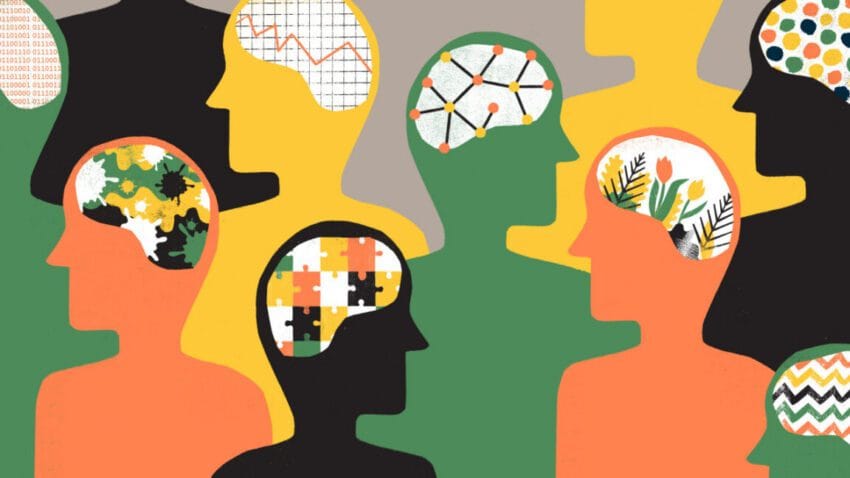
why accessibility might be ai s biggest Recent findings suggest that AI technologies, particularly chatbots, may significantly enhance workplace experiences for neurodiverse employees, marking a potential breakthrough in accessibility.
why accessibility might be ai s biggest
Introduction to AI in the Workplace
Artificial Intelligence (AI) has been widely marketed as a productivity tool aimed at enhancing efficiency across various sectors. Tech companies tout its capabilities in streamlining workflows, automating mundane tasks, and providing insights that can lead to better decision-making. However, a recent study conducted by the UK’s Department for Business and Trade has unveiled a surprising dimension to AI’s impact: its pronounced benefits for neurodiverse individuals in the workplace.
The Study Overview
The evaluation results from the Microsoft 365 Copilot trial reveal that while the overall satisfaction rate among participants stood at 72 percent, neurodiverse employees reported significantly higher satisfaction levels. This finding is particularly noteworthy, as it was observed at a 90 percent confidence level. Furthermore, neurodiverse workers were more inclined to recommend the tool to others, with a confidence level of 95 percent.
Understanding Neurodiversity
Neurodiversity refers to the diverse range of neurological conditions, including ADHD, autism spectrum disorders, dyslexia, and others. Individuals who identify as neurodiverse often experience the world differently, which can affect their communication, social interactions, and workplace performance. Traditional work environments may not always accommodate these differences, leading to challenges in productivity and job satisfaction.
Key Findings from the Study
The study’s findings indicate that AI tools like Microsoft 365 Copilot have the potential to level the playing field for neurodiverse employees. Participants expressed a range of benefits from using the chatbot, which include:
- Increased Confidence: Many neurodiverse individuals reported feeling more empowered to complete tasks that they previously found daunting. For instance, a participant with ADHD noted that the tool “leveled the playing field,” suggesting that it helped mitigate some of the challenges they face in traditional work settings.
- Enhanced Task Performance: Users with dyslexia shared that Copilot enabled them to perform tasks with a level of confidence they had not experienced before. One participant specifically mentioned improvements in report writing, a task that can be particularly challenging for individuals with dyslexia.
- Integration with Existing Tools: A dyslexic participant highlighted that Copilot “does a hell of a lot more” than traditional assistive technology. This is significant because many existing accessibility tools require users to switch between applications, which can disrupt workflow and concentration. In contrast, Copilot is embedded within commonly used applications, making it more accessible and user-friendly.
Implications for Workplace Accessibility
The findings from this study have broader implications for workplace accessibility and inclusion. As organizations increasingly adopt AI technologies, understanding their impact on diverse employee groups is crucial. Here are some key implications:
Redefining Productivity
AI’s role in enhancing productivity may need to be redefined. Rather than solely focusing on efficiency metrics, organizations should consider how these technologies can support diverse work styles and needs. By doing so, companies can foster a more inclusive environment that values the contributions of all employees, including those who are neurodiverse.
Encouraging Inclusive Design
The positive feedback from neurodiverse employees underscores the importance of inclusive design in technology development. As AI tools evolve, developers should prioritize features that cater to the unique needs of neurodiverse individuals. This could involve incorporating customizable settings that allow users to tailor their experiences based on their preferences and challenges.
Training and Awareness
Organizations must also invest in training and awareness programs to educate employees about neurodiversity and the benefits of AI tools. By fostering a culture of understanding and acceptance, companies can create an environment where neurodiverse employees feel valued and supported. This can lead to higher job satisfaction and retention rates.
Stakeholder Reactions
The reactions from various stakeholders regarding the study’s findings have been largely positive. Employers, educators, and technology developers are beginning to recognize the potential of AI in enhancing workplace accessibility.
Employers’ Perspectives
Employers are increasingly acknowledging the importance of creating inclusive workplaces. Many are exploring how AI can be leveraged to support neurodiverse employees. Some organizations have already begun implementing AI tools like Microsoft 365 Copilot as part of their broader diversity and inclusion strategies. By doing so, they aim to not only improve productivity but also enhance employee satisfaction and well-being.
Educators and Advocates
Educators and advocates for neurodiversity are also expressing optimism about the findings. They view the study as a validation of the need for more accessible technologies in educational and workplace settings. Many advocates are calling for further research to explore how AI can be utilized to support neurodiverse students and employees alike.
Technology Developers
Technology developers are taking note of the positive feedback from neurodiverse users. The success of Microsoft 365 Copilot may encourage other companies to invest in similar AI solutions that prioritize accessibility. As competition in the tech industry intensifies, developers may increasingly focus on creating tools that cater to diverse user needs, thereby expanding their market reach.
Challenges and Considerations
Despite the promising findings, there are challenges and considerations that need to be addressed. While AI tools like Microsoft 365 Copilot show potential, they are not a panacea for all workplace challenges faced by neurodiverse employees.
Limitations of AI
AI technologies can sometimes struggle with nuanced understanding and context. While chatbots can assist with specific tasks, they may not fully grasp the complexities of human emotions and interactions. This limitation can be particularly relevant for neurodiverse individuals who may require more personalized support and understanding.
Potential Over-Reliance on Technology
There is a risk that organizations may become overly reliant on AI tools, potentially neglecting the importance of human interaction and support. While AI can enhance productivity, it should complement, rather than replace, the human elements of teamwork and collaboration.
Data Privacy and Security
As with any technology, data privacy and security are paramount concerns. Organizations must ensure that the use of AI tools complies with data protection regulations and that employees’ personal information is safeguarded. This is particularly important for neurodiverse individuals who may be more sensitive to privacy issues.
Conclusion
The findings from the UK government study highlight the transformative potential of AI technologies in enhancing workplace accessibility for neurodiverse employees. As organizations continue to adopt AI tools like Microsoft 365 Copilot, it is essential to prioritize inclusive design, training, and awareness to fully realize the benefits of these technologies. By doing so, companies can create a more equitable work environment that values the contributions of all employees, ultimately leading to greater satisfaction and productivity.
Source: Original report
Was this helpful?
Last Modified: September 9, 2025 at 6:35 pm
4 views