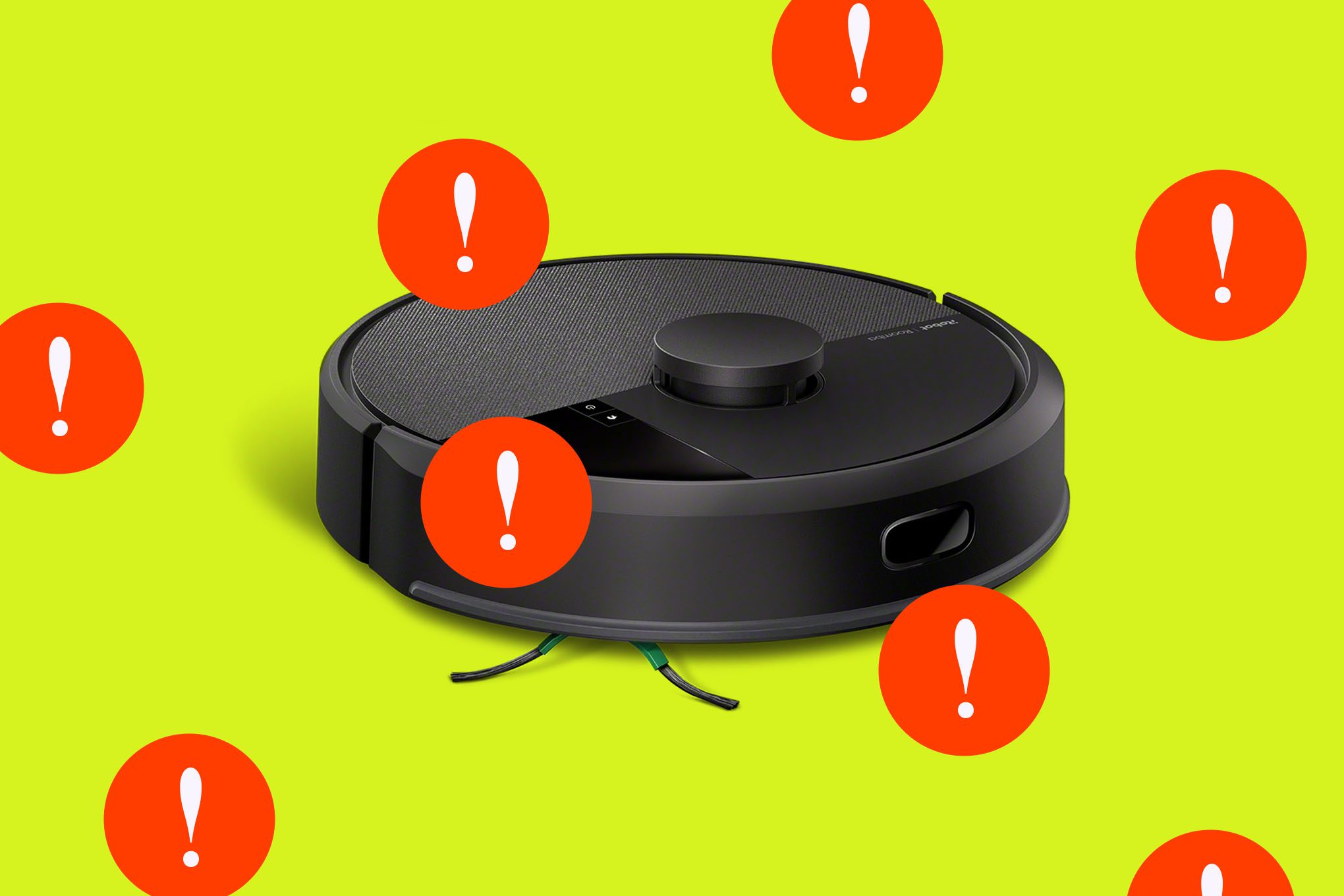
who is picea robotics roomba s new Picea Robotics, a Chinese-based company, is set to acquire iRobot, the well-known maker of Roomba vacuum cleaners, following iRobot’s Chapter 11 bankruptcy filing.
who is picea robotics roomba s new
Background on iRobot and Its Financial Troubles
Founded in 1990, iRobot gained prominence with its innovative home cleaning solutions, particularly the Roomba series of robotic vacuum cleaners. Over the years, the company has expanded its product line to include various home automation devices, but it has faced increasing competition from both established brands and new entrants in the market. This competitive landscape, coupled with rising operational costs and supply chain disruptions, has led to significant financial strain.
In August 2023, iRobot announced its decision to file for Chapter 11 bankruptcy. This move was not entirely unexpected, as the company had been struggling to maintain profitability amid a challenging economic environment. The bankruptcy filing allows iRobot to restructure its debts and streamline operations, but it also opens the door for new ownership.
Picea Robotics: A Closer Look
Shenzhen Picea Robotics, also known as 3irobotix, is a prominent player in the robotics manufacturing sector. Established as one of the largest original design manufacturers (ODM) of robot vacuums, Picea has built a reputation for producing high-quality robotic cleaning devices for various brands, including iRobot, Shark, and Anker (the parent company of Eufy). This extensive experience in the robotics field positions Picea as a capable successor to iRobot.
Key Products and Innovations
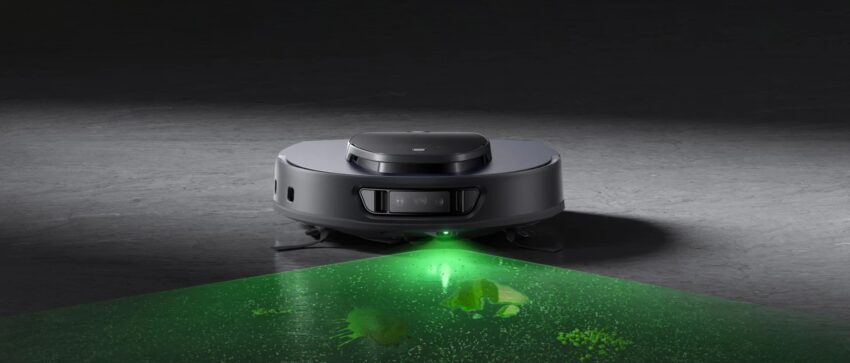
Picea’s flagship product, the 3i S10 Ultra, exemplifies the company’s commitment to innovation and quality. This robot vacuum features advanced navigation technology, powerful suction capabilities, and smart home integration, making it a competitive option in the market. The 3i S10 Ultra is designed to cater to the evolving needs of consumers, emphasizing efficiency and ease of use.
In addition to its flagship model, Picea offers a range of robotic cleaning solutions that incorporate cutting-edge technologies such as artificial intelligence (AI) and machine learning. These technologies enable Picea’s products to adapt to different home environments, improving cleaning efficiency and user experience.
The Acquisition Deal
The acquisition of iRobot by Picea Robotics marks a significant shift in the landscape of the robotic vacuum industry. As part of the restructuring agreement, Picea assumed iRobot’s $190 million loan earlier this month. In a move that underscores its commitment to the acquisition, Picea has agreed to waive this debt, along with an additional $161.5 million that iRobot owes for manufacturing its robots. This financial maneuvering allows iRobot to emerge from bankruptcy with a clean slate, while Picea gains full ownership of the brand.
Implications for iRobot and the Market
This acquisition has far-reaching implications for both iRobot and the broader market. For iRobot, being under the ownership of Picea could lead to a revitalization of the brand. With Picea’s manufacturing expertise and access to advanced technologies, iRobot may be able to innovate and expand its product offerings more effectively than before.
Moreover, the acquisition could reshape the competitive landscape of the robotic vacuum market. Picea’s existing relationships with other brands and its manufacturing capabilities may allow for more efficient production processes and cost reductions. This could result in lower prices for consumers and increased competition among brands, ultimately benefiting the end-user.
Stakeholder Reactions
The announcement of Picea’s acquisition of iRobot has elicited a range of reactions from stakeholders, including industry analysts, consumers, and competitors.
Industry Analysts
Industry analysts have expressed cautious optimism about the acquisition. Many believe that Picea’s ownership could lead to a resurgence of the iRobot brand, particularly if the company leverages its manufacturing capabilities to introduce innovative products. Analysts also note that Picea’s experience in the robotics sector could help iRobot regain its competitive edge in a crowded market.
Consumers
For consumers, the acquisition raises questions about the future of iRobot’s product line and customer service. Some users have expressed concerns about potential changes in product quality or support. However, others are hopeful that Picea’s ownership will lead to improved products and services, given the company’s track record in the industry.
Competitors
Competitors in the robotic vacuum market are likely to view this acquisition with a mix of apprehension and intrigue. Picea’s expertise and resources could pose a significant threat to other brands, particularly if it successfully revitalizes iRobot’s offerings. Competitors may need to adapt their strategies to remain competitive in light of Picea’s potential innovations.
The Future of Picea and iRobot
As Picea Robotics prepares to take the reins of iRobot, the future of both companies remains uncertain. While the acquisition presents opportunities for growth and innovation, it also comes with challenges. Picea will need to navigate the complexities of integrating iRobot’s operations while maintaining the brand’s identity and customer loyalty.
Potential Challenges
One of the primary challenges Picea may face is managing the transition for iRobot’s existing customers. Ensuring continuity in product support and service will be crucial to maintaining consumer trust. Additionally, Picea will need to address any lingering concerns about iRobot’s financial stability and product quality following the bankruptcy filing.
Another challenge lies in the competitive landscape. As Picea seeks to innovate and expand iRobot’s product line, it must also contend with the rapidly evolving technology landscape. Staying ahead of competitors and meeting the changing demands of consumers will require ongoing investment in research and development.
Conclusion
The acquisition of iRobot by Picea Robotics represents a pivotal moment in the robotic vacuum industry. With Picea’s manufacturing expertise and commitment to innovation, there is potential for iRobot to regain its status as a leader in the market. However, the success of this acquisition will depend on how effectively Picea navigates the challenges ahead, including customer retention, product quality, and competition.
As the robotic vacuum market continues to evolve, all eyes will be on Picea and iRobot to see how this new chapter unfolds. The outcome of this acquisition could shape the future of home automation and cleaning solutions for years to come.
Source: Original report
Was this helpful?
Last Modified: December 15, 2025 at 4:38 pm
35 views