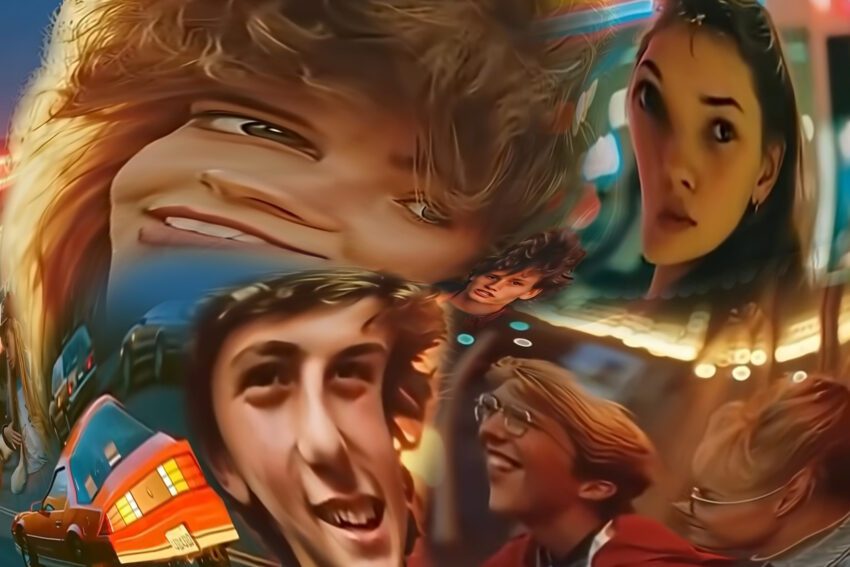
who is ai nostalgia slop even for Recent generative AI videos have sparked curiosity and debate as they feature youthful avatars reminiscing about the perceived glory days of the ’80s and ’90s.
who is ai nostalgia slop even for
The Rise of AI Nostalgia Videos
In the past few months, a wave of generative AI videos has emerged, showcasing eerily lifelike teenagers reflecting on the past. These videos often depict the teens with nostalgic expressions, discussing how much better life was during the ’80s and ’90s. The visuals are striking, featuring idyllic scenes of sunlit cul-de-sacs, vintage cars, and a soundtrack that evokes a sense of longing for simpler times. Songs like “Everybody Wants to Rule the World” and melodies reminiscent of the Donkey Kong Country soundtrack serve as the backdrop, enhancing the dreamlike quality of these clips.
The phenomenon raises a fundamental question: who is the target audience for these AI-generated nostalgia trips? While the content may seem bizarre, there is a discernible logic behind its appeal.
The Mechanics of Nostalgia
Understanding Nostalgia
Nostalgia is a complex emotional experience that often involves a longing for the past, typically associated with positive memories. It can provide comfort and a sense of belonging, especially during uncertain times. The ’80s and ’90s are particularly fertile ground for nostalgia, as they represent a time before the rapid technological advancements and societal changes of the 21st century. For many, these decades evoke memories of childhood, family gatherings, and simpler pleasures.
AI’s Role in Nostalgia Creation
Generative AI has the unique ability to synthesize and recreate elements from the past, making it a powerful tool for nostalgia-driven content. By analyzing vast amounts of data, AI can generate visuals and sounds that resonate with audiences, tapping into collective memories. This capability allows creators to produce videos that not only mimic the aesthetics of the past but also evoke the emotions associated with those times.
The Appeal of AI Nostalgia Videos
Target Demographics
While the videos feature youthful avatars, the actual audience may span various age groups. Older generations who lived through the ’80s and ’90s may find comfort in these representations, while younger viewers may be drawn to the aesthetic without having experienced the era firsthand. This dual appeal creates a unique intersection where nostalgia is both a personal and shared experience.
Social Media and Viral Trends
The rise of social media platforms has amplified the reach of these videos. As users share and engage with content that resonates with them, the potential for virality increases. The combination of nostalgia and the visually captivating nature of AI-generated content makes it highly shareable. As a result, these videos can quickly gain traction, reaching audiences far beyond their initial creators.
Implications of AI-Generated Nostalgia
Cultural Reflection
The popularity of AI nostalgia videos reflects broader societal trends. As people grapple with the complexities of modern life, there is a growing desire to escape into the past. This yearning can be seen as a response to the rapid pace of change and uncertainty that characterizes contemporary society. By revisiting the past through AI-generated content, individuals may find solace and a sense of stability.
Commercial Opportunities
Brands and marketers are also taking note of this trend. Nostalgia marketing has long been a successful strategy, and the rise of AI-generated content offers new avenues for brands to tap into consumers’ emotional connections to the past. By leveraging AI to create nostalgic campaigns, companies can engage audiences in a way that feels authentic and relatable.
The Ethical Considerations
Authenticity and Representation
While the allure of AI nostalgia videos is undeniable, ethical questions arise regarding authenticity and representation. The use of AI to create content that mimics real human experiences raises concerns about the potential for misrepresentation. For instance, the portrayal of certain cultural or social dynamics may not accurately reflect the complexities of the past, leading to a simplified or distorted view of history.
Impact on Memory and Experience
Moreover, the proliferation of AI-generated nostalgia could impact how individuals remember and experience the past. If people increasingly rely on curated, AI-generated representations of their memories, it may alter their perceptions and emotional connections to those experiences. This shift could lead to a homogenization of nostalgia, where unique personal memories are overshadowed by a collective, AI-generated narrative.
Stakeholder Reactions
Creators and Artists
The emergence of AI nostalgia videos has elicited mixed reactions from creators and artists. Some view it as an innovative tool that can enhance storytelling and creative expression. Others, however, express concern that AI-generated content may undermine traditional artistic practices and devalue human creativity. The debate highlights the ongoing tension between technological advancement and the preservation of authentic artistic expression.
Consumers and Viewers
For consumers, the reception of AI nostalgia videos varies widely. Some viewers embrace the content as a fun and engaging way to revisit the past, while others criticize it for lacking authenticity. The divergence in opinions underscores the complexity of nostalgia itself, as individuals navigate their personal connections to the past in an increasingly digital landscape.
The Future of AI Nostalgia Content
Potential Developments
As technology continues to evolve, the landscape of AI-generated nostalgia content is likely to expand. Future developments may include more sophisticated algorithms that can create even more realistic and emotionally resonant experiences. Additionally, the integration of virtual and augmented reality could enhance the immersive quality of nostalgia-driven content, allowing viewers to engage with the past in entirely new ways.
Balancing Innovation and Ethics
Moving forward, it will be essential for creators, consumers, and stakeholders to engage in discussions about the ethical implications of AI-generated nostalgia. Striking a balance between innovation and authenticity will be crucial in ensuring that this content serves as a meaningful reflection of the past rather than a mere commodification of nostalgia.
Conclusion
The rise of AI nostalgia videos represents a fascinating intersection of technology, culture, and emotion. As these videos continue to capture the imagination of audiences, they prompt important questions about memory, representation, and the role of technology in shaping our understanding of the past. Whether viewed as a nostalgic escape or a troubling trend, AI-generated content is undeniably reshaping the way we engage with our collective history.
Source: Original report
Was this helpful?
Last Modified: November 21, 2025 at 11:37 pm
10 views