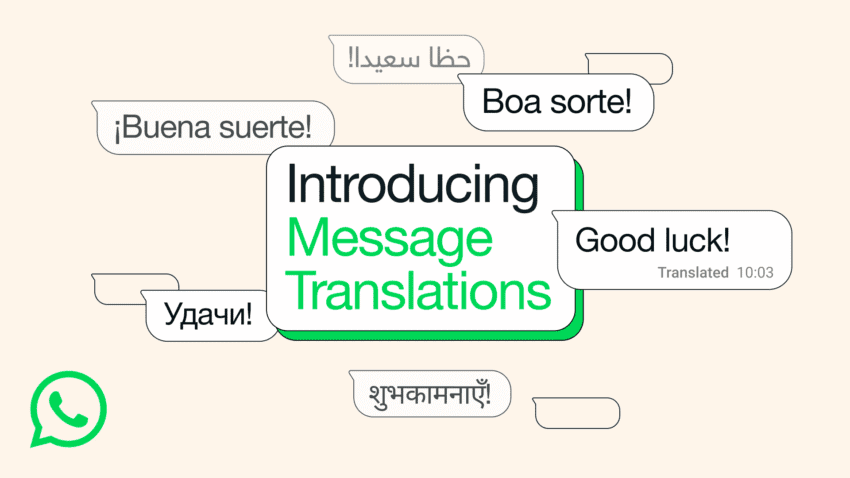
whatsapp adds built-in text translations on iphone WhatsApp has introduced a new built-in translation feature for its users on both iPhone and Android platforms, enhancing communication across language barriers.
whatsapp adds built-in text translations on iphone
Overview of the New Feature
The latest update to WhatsApp includes a translation feature that allows users to translate messages into their preferred language. This functionality is being rolled out gradually, starting today, and is available for 1:1 chats, group conversations, and Channel updates. Users can activate the translation feature by long-pressing a message and selecting the “Translate” option. This will allow them to choose the language from which they want to translate or the language into which they wish to translate the message.
Supported Languages
Initially, the translation feature will support a range of languages. For Android users, the initial support includes:
- English
- Spanish
- Hindi
- Portuguese
- Russian
- Arabic
On the other hand, iPhone users will have the ability to translate messages into over 19 languages at launch. This broad support for multiple languages is a significant step towards making WhatsApp a more inclusive platform for its diverse user base.
Automatic Translation for Android Users
One of the standout features for Android users is the ability to set entire chat threads to automatically translate incoming messages. This means that users will not have to manually translate each message; instead, the app will handle it seamlessly in the background. This feature is particularly useful for users who frequently communicate with individuals who speak different languages, as it streamlines the conversation process.
Implications for Global Communication
The introduction of this translation feature is poised to have significant implications for global communication. WhatsApp, which boasts billions of users worldwide, is often used for personal and professional conversations. The ability to translate messages directly within the app could facilitate smoother interactions, making it easier for users to connect with friends, family, and colleagues across linguistic divides.
As globalization continues to shape the way we communicate, tools that enable effective communication across languages are increasingly important. The new translation feature aligns with WhatsApp’s goal of enhancing user experience and accessibility, allowing users to engage in conversations without the barrier of language.
Comparison with Other Messaging Apps
While WhatsApp’s new translation feature is a welcome addition, it is not the first of its kind in the messaging app landscape. Other platforms have offered similar functionalities for some time. For instance, Google has previously demonstrated its “Tap to Translate” feature on Android, which allows users to translate text from various apps, including WhatsApp, without leaving the conversation.
Despite this competition, WhatsApp’s integration of translation directly into the messaging experience is noteworthy. It eliminates the need for users to switch between apps or copy and paste text into a translation tool, thereby enhancing convenience and efficiency. This could potentially give WhatsApp an edge in retaining users who prioritize seamless communication.
User Experience and Accessibility
The user experience is a critical aspect of any new feature, and WhatsApp appears to have considered this in its design. The process of translating messages is straightforward: users simply long-press a message and select the translation option. This simplicity is likely to encourage users to take advantage of the feature, as it does not require extensive technical knowledge or navigation through complex menus.
Moreover, the availability of the translation feature on both iPhone and Android platforms ensures that a wide range of users can benefit from it. This inclusivity is essential for a messaging app that aims to serve a global audience. By supporting multiple languages and providing an easy-to-use interface, WhatsApp is enhancing its accessibility for users from various linguistic backgrounds.
Future Developments and Language Support
WhatsApp has indicated that it plans to expand translation support for additional languages in the future. This commitment to growth is crucial, especially considering the diverse linguistic landscape of its user base. As more languages are added, the app will become even more valuable for users who communicate in languages not currently supported.
Expanding language support could also open up new markets for WhatsApp, as users in regions with less commonly spoken languages may find the app more appealing. This could lead to increased user engagement and retention, further solidifying WhatsApp’s position as a leading messaging platform.
Stakeholder Reactions
The introduction of the translation feature has garnered positive reactions from various stakeholders, including users and industry experts. Many users have expressed excitement about the potential for easier communication with friends and family who speak different languages. This sentiment reflects a growing demand for tools that facilitate cross-cultural interactions in an increasingly interconnected world.
Industry experts have also weighed in, noting that WhatsApp’s move is a strategic one. By enhancing its features to include translation, WhatsApp is not only improving user experience but also positioning itself as a more competitive player in the messaging app market. As users continue to seek out platforms that offer comprehensive communication tools, WhatsApp’s new feature could play a significant role in attracting and retaining users.
Challenges and Considerations
While the translation feature is a significant advancement, it is not without its challenges. One concern is the accuracy of translations. Automated translation tools can sometimes produce errors or awkward phrasing, which may lead to misunderstandings in conversations. WhatsApp will need to ensure that its translation algorithms are robust and capable of providing reliable translations.
Additionally, users may have varying expectations regarding the quality of translations. Some may prefer human-like translations that capture nuances and cultural context, while others may be satisfied with basic translations. Balancing these expectations will be crucial for WhatsApp as it refines its translation feature over time.
Conclusion
The introduction of built-in text translations on WhatsApp for iPhone and Android users marks a significant step forward in enhancing communication across language barriers. With support for multiple languages and the ability to automatically translate entire chat threads, WhatsApp is positioning itself as a more inclusive platform for its diverse user base. As the feature rolls out and expands, it has the potential to transform the way users interact with one another, making conversations smoother and more accessible. The future looks promising for WhatsApp as it continues to innovate and adapt to the needs of its global audience.
Source: Original report
Was this helpful?
Last Modified: September 23, 2025 at 8:43 pm
5 views