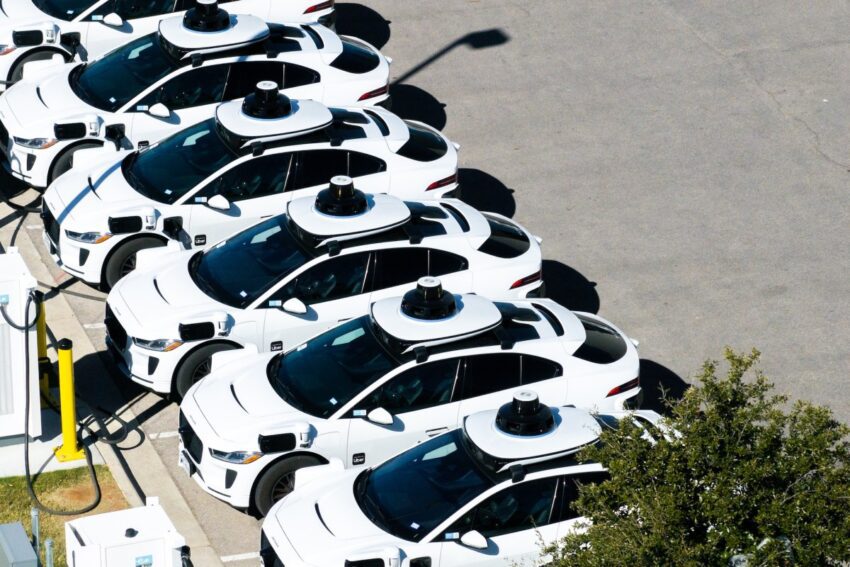
waymo robotaxis are now giving rides to Waymo has officially launched its robotaxi service for rides to and from San Francisco International Airport (SFO), marking a significant milestone in the evolution of autonomous vehicle technology.
waymo robotaxis are now giving rides to
Overview of Waymo’s Expansion
Waymo, a subsidiary of Alphabet Inc., has been at the forefront of autonomous vehicle development since its inception. The company has made substantial strides in deploying its robotaxi service in various urban environments, with San Francisco being one of its key markets. The recent expansion to include SFO represents a strategic move to enhance accessibility and convenience for travelers using the airport.
With this launch, Waymo aims to provide a seamless transportation option for passengers arriving at or departing from SFO. The service is designed to alleviate some of the congestion typically associated with airport travel, offering a more efficient alternative to traditional taxi and rideshare services.
Service Features and Accessibility
Waymo’s robotaxi service at SFO operates with a fleet of fully autonomous vehicles equipped with advanced sensors and artificial intelligence systems. These vehicles are capable of navigating complex urban environments and adapting to dynamic traffic conditions. Key features of the service include:
- 24/7 Availability: The robotaxi service is available around the clock, allowing passengers to book rides at any time, which is particularly beneficial for those with early morning or late-night flights.
- Real-time Updates: Passengers can receive real-time updates on their ride status through the Waymo app, ensuring they are informed about their vehicle’s arrival and estimated travel time.
- Safety Protocols: Waymo has implemented rigorous safety protocols, including regular vehicle maintenance and software updates, to ensure the reliability of its fleet.
Booking Process
Passengers can easily book a ride through the Waymo app, which allows users to select their pickup and drop-off locations within the airport. The app also provides fare estimates, making it easier for travelers to plan their budgets. The user interface is designed to be intuitive, catering to both tech-savvy individuals and those less familiar with digital platforms.
Safety Concerns and Criticism
Despite the excitement surrounding the launch of the robotaxi service at SFO, Waymo has faced criticism and concerns regarding safety in some of the cities where it operates. Incidents involving autonomous vehicles have raised questions about the technology’s reliability and the potential risks associated with its widespread adoption.
Critics argue that while autonomous vehicles have the potential to reduce accidents caused by human error, they are not without their own set of challenges. Concerns include:
- Accident Rates: There have been reports of accidents involving Waymo vehicles, leading to scrutiny from regulators and the public alike. Critics argue that these incidents highlight the need for more stringent safety measures before fully deploying autonomous vehicles in urban settings.
- Public Perception: The perception of safety is crucial for the success of autonomous vehicle services. Negative media coverage of accidents can lead to public distrust, which may hinder adoption rates.
- Regulatory Scrutiny: As autonomous vehicles become more prevalent, regulatory bodies are increasingly focused on ensuring safety standards are met. This scrutiny can slow down the rollout of services in new areas.
Waymo’s Response to Safety Concerns
In response to these criticisms, Waymo has emphasized its commitment to safety. The company has invested heavily in research and development to enhance the capabilities of its autonomous systems. This includes:
- Advanced Testing: Waymo conducts extensive testing in controlled environments before deploying vehicles on public roads. This rigorous testing process is designed to identify and mitigate potential risks.
- Collaboration with Regulators: Waymo actively collaborates with local and state regulators to ensure compliance with safety standards and to address any concerns that arise.
- Public Education: The company has initiated public education campaigns to inform the community about the safety features of its vehicles and the measures in place to protect passengers and pedestrians.
Implications for the Future of Transportation
The introduction of Waymo’s robotaxi service at SFO has broader implications for the future of transportation, particularly in urban areas. As cities grapple with issues such as traffic congestion, pollution, and the need for efficient public transport options, autonomous vehicles could play a pivotal role in reshaping urban mobility.
Potential Benefits
Waymo’s service could contribute to several positive outcomes, including:
- Reduced Traffic Congestion: By providing a reliable alternative to personal vehicles and traditional taxis, Waymo’s robotaxis could help reduce the number of cars on the road, alleviating congestion in busy urban areas.
- Environmental Impact: Autonomous vehicles have the potential to be more energy-efficient than traditional vehicles, particularly if they are electric. This could lead to a reduction in greenhouse gas emissions and improved air quality.
- Enhanced Accessibility: For individuals who may not have access to traditional transportation options, such as the elderly or disabled, robotaxis can provide a much-needed solution for mobility.
Challenges Ahead
However, the path forward is not without challenges. Some of the key obstacles that Waymo and other companies in the autonomous vehicle space must navigate include:
- Infrastructure Adaptation: Many urban areas are not equipped with the necessary infrastructure to support autonomous vehicles, such as dedicated lanes or smart traffic signals. Upgrading infrastructure will require significant investment and coordination among various stakeholders.
- Public Acceptance: Gaining public trust in autonomous technology is crucial. Continuous efforts to educate the public about the safety and benefits of robotaxis will be essential for widespread adoption.
- Regulatory Hurdles: Navigating the complex regulatory landscape governing autonomous vehicles will be a significant challenge. Companies must work closely with lawmakers to establish clear guidelines and standards.
Stakeholder Reactions
The launch of Waymo’s robotaxi service at SFO has elicited a range of reactions from various stakeholders, including local government officials, transportation advocates, and the general public.
Government Officials
Local government officials have expressed cautious optimism regarding the service. Many see the potential benefits of reducing traffic congestion and improving transportation options for residents and visitors. However, they also emphasize the importance of ensuring that safety remains a top priority as the technology continues to evolve.
Transportation Advocates
Transportation advocates have highlighted the need for comprehensive planning to integrate autonomous vehicles into existing transportation systems. They argue that while robotaxis can provide valuable services, they should not replace public transit options but rather complement them.
The General Public
Public reaction has been mixed. While some individuals are excited about the convenience and innovation of autonomous vehicles, others remain skeptical about their safety and reliability. Ongoing public education efforts will be critical in addressing these concerns and fostering acceptance of the technology.
Conclusion
The launch of Waymo’s robotaxi service at San Francisco International Airport represents a significant advancement in the realm of autonomous transportation. While the service promises to enhance accessibility and efficiency for travelers, it also faces scrutiny regarding safety and public perception. As Waymo navigates these challenges, the implications of this technology extend beyond individual rides, potentially reshaping the future of urban mobility.
Source: Original report
Was this helpful?
Last Modified: January 30, 2026 at 5:44 am
0 views