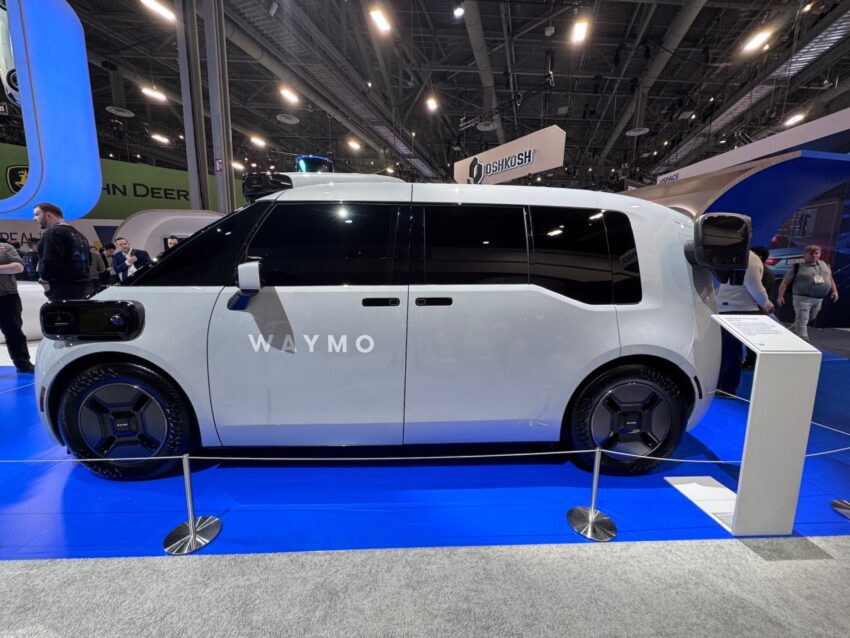
waymo is rebranding its zeekr robotaxi Waymo has announced a significant rebranding of its Zeekr robotaxi service, marking a new chapter in its autonomous vehicle operations.
waymo is rebranding its zeekr robotaxi
Overview of the Rebranding
Waymo, a subsidiary of Alphabet Inc., has been at the forefront of autonomous vehicle technology since its inception. The company has made headlines for its ambitious projects, including the development of self-driving taxis and the integration of advanced AI systems. The recent decision to rebrand its Zeekr robotaxi service reflects Waymo’s commitment to enhancing its market presence and improving user experience.
What is Zeekr?
Zeekr is a brand under Geely, a Chinese automotive manufacturer, which has partnered with Waymo to develop a fleet of autonomous vehicles. The collaboration aimed to leverage Geely’s manufacturing capabilities and Waymo’s cutting-edge technology to create a robust robotaxi service. Initially launched in select markets, Zeekr was designed to cater to urban commuters looking for convenient and efficient transportation options.
The Motivation Behind the Rebranding
The rebranding initiative is part of Waymo’s broader strategy to streamline its services and enhance brand recognition. By distancing itself from the Zeekr name, Waymo aims to create a more cohesive identity that resonates with consumers and stakeholders alike. This move is particularly important as the autonomous vehicle market becomes increasingly competitive, with numerous players vying for consumer attention and investment.
Market Context and Implications
The autonomous vehicle industry is experiencing rapid growth, driven by advancements in technology and increasing consumer demand for innovative transportation solutions. According to recent market research, the global autonomous vehicle market is projected to reach $557 billion by 2026, highlighting the immense potential for companies like Waymo. In this context, rebranding can serve as a strategic maneuver to capture a larger share of the market.
Competitive Landscape
Waymo faces stiff competition from other tech giants and automotive manufacturers that are also investing heavily in autonomous vehicle technology. Companies such as Tesla, Cruise, and Uber are actively developing their own self-driving solutions, making it imperative for Waymo to differentiate itself. The rebranding of Zeekr could help Waymo establish a unique identity that sets it apart from its competitors.
Stakeholder Reactions
The rebranding announcement has elicited mixed reactions from stakeholders within the industry. Some industry experts view the move as a positive step towards consolidating Waymo’s brand identity, while others express concerns about the potential confusion it may create among existing customers. The transition from Zeekr to a new branding strategy will require effective communication to ensure that users understand the changes and continue to engage with the service.
Technological Advancements
Waymo’s rebranding efforts are not solely focused on marketing; they are also tied to significant technological advancements within the company. Waymo has been continuously refining its self-driving algorithms and sensor technologies to improve the safety and efficiency of its vehicles. The rebranding could coincide with the rollout of new features and enhancements, further solidifying Waymo’s position as a leader in the autonomous vehicle space.
Safety and Reliability
Safety remains a paramount concern for autonomous vehicle manufacturers. Waymo has invested heavily in testing and validating its self-driving technology to ensure that it meets rigorous safety standards. The rebranding initiative may also include a renewed emphasis on safety, with Waymo potentially launching campaigns to educate consumers about the safety features of its robotaxi service.
Consumer Experience
As part of the rebranding, Waymo is likely to focus on improving the overall consumer experience. This could involve enhancements to the user interface of its mobile app, streamlined booking processes, and improved customer support. By prioritizing user experience, Waymo aims to foster customer loyalty and encourage more people to adopt its autonomous transportation solutions.
Future Prospects
The future of Waymo’s rebranded robotaxi service looks promising, especially as the demand for autonomous transportation continues to grow. With urbanization on the rise and more people seeking efficient mobility solutions, Waymo is well-positioned to capitalize on these trends. The rebranding could serve as a catalyst for further expansion into new markets and the introduction of innovative services.
Expansion Plans
Waymo has already begun to explore opportunities for expanding its robotaxi service beyond its current markets. The rebranding could facilitate partnerships with local governments and transportation agencies, enabling Waymo to integrate its services into existing public transportation systems. This approach could enhance the overall efficiency of urban mobility and provide users with seamless transportation options.
Potential Challenges
Despite the positive outlook, Waymo will face several challenges as it navigates the rebranding process. One significant hurdle is regulatory compliance, as autonomous vehicles are subject to stringent regulations that vary by region. Waymo must ensure that its rebranded service adheres to local laws and safety standards to avoid potential setbacks.
Conclusion
Waymo’s decision to rebrand its Zeekr robotaxi service marks a pivotal moment in the company’s journey toward becoming a leader in autonomous transportation. By focusing on brand identity, technological advancements, and consumer experience, Waymo aims to strengthen its position in a competitive market. As the autonomous vehicle landscape continues to evolve, the success of this rebranding initiative will depend on Waymo’s ability to effectively communicate its vision and deliver on its promises.
Source: Original report
Was this helpful?
Last Modified: January 8, 2026 at 10:39 am
2 views