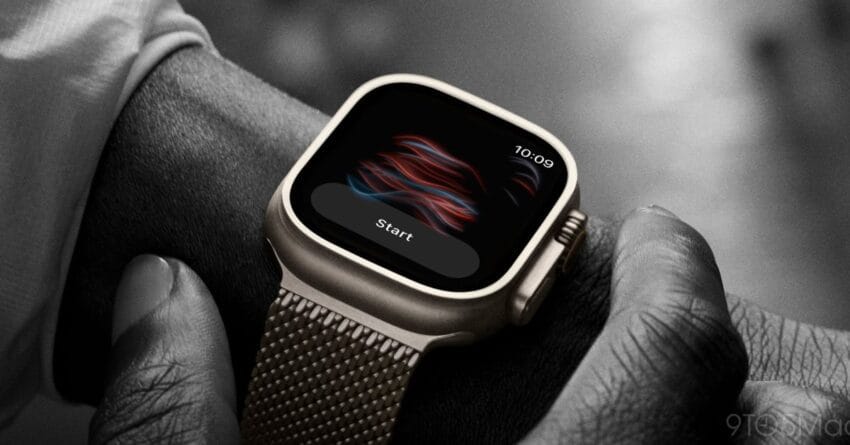
us customs asks court to toss masimo U.S. Customs has filed a motion to dismiss a lawsuit brought by Masimo, challenging the agency’s decision to allow Apple to sell the Apple Watch with its blood oxygen monitoring feature enabled.
us customs asks court to toss masimo
Background of the Dispute
The conflict between Masimo and Apple centers around the technology used in the Apple Watch, particularly its blood oxygen monitoring capabilities. Masimo, a medical technology company known for its innovative non-invasive monitoring solutions, has long claimed that Apple infringed on its patents. The Apple Watch, which has become a significant player in the wearable technology market, includes a feature that measures blood oxygen levels, a function that Masimo argues is based on its proprietary technology.
In recent years, the wearable technology sector has seen explosive growth, with devices like the Apple Watch leading the charge. The demand for health monitoring features has surged, particularly in the wake of the COVID-19 pandemic, which heightened public awareness of health metrics. As a result, companies like Masimo have sought to protect their intellectual property aggressively, leading to legal battles over patent rights.
The Lawsuit Against U.S. Customs
Masimo’s lawsuit against U.S. Customs was filed shortly after the agency permitted Apple to resume sales of the Apple Watch with the blood oxygen feature, which had been temporarily disabled due to the ongoing legal disputes. The company argued that allowing Apple to sell the device with this feature enabled constituted a violation of its patent rights and posed a risk to public health, as consumers might rely on potentially infringing technology for critical health measurements.
In the lawsuit, Masimo contended that U.S. Customs had failed to adequately consider the implications of its decision, which they believe undermines the integrity of patent protections in the United States. The company sought an injunction to prevent the sale of the Apple Watch until the patent dispute was resolved, arguing that the potential for consumer confusion and health risks warranted immediate action.
U.S. Customs’ Response
In response to Masimo’s legal action, U.S. Customs filed a motion to dismiss the lawsuit, asserting that the agency acted within its authority when it allowed Apple to resume sales of the Apple Watch. The agency’s motion argues that it is not responsible for enforcing patent rights and that Masimo’s claims do not fall under the jurisdiction of U.S. Customs.
The motion to dismiss highlights several key points:
- Jurisdictional Authority: U.S. Customs maintains that its role is limited to regulating imports and exports and that it does not have the authority to adjudicate patent disputes.
- Public Interest: The agency argues that allowing the sale of the Apple Watch is in the public interest, as it provides consumers with valuable health monitoring tools.
- Legal Precedents: U.S. Customs cites previous cases where courts have ruled that patent disputes should be resolved in specialized courts rather than through regulatory agencies.
Implications of the Dispute
The ongoing legal battle between Masimo and Apple, along with the involvement of U.S. Customs, raises several important implications for the technology and healthcare sectors.
Impact on Innovation
One of the primary concerns surrounding this dispute is its potential impact on innovation in the wearable technology space. Companies invest significant resources into research and development to create new health monitoring features. If patent rights are not adequately protected, it could discourage innovation, as companies may fear that their intellectual property could be infringed upon without consequence.
Consumer Health and Safety
Another critical aspect of this dispute is the potential impact on consumer health and safety. Masimo argues that the Apple Watch’s blood oxygen monitoring feature, if based on infringing technology, could mislead consumers about their health status. Accurate health monitoring is crucial, especially for individuals with pre-existing conditions or those who rely on such devices for ongoing health assessments. The outcome of this lawsuit could set a precedent for how health monitoring technologies are regulated and validated in the future.
Legal Precedents and Patent Law
The case also highlights the complexities of patent law in the technology sector. As technology evolves rapidly, the legal framework surrounding intellectual property must adapt to address new challenges. The outcome of this lawsuit could influence how patent disputes are handled in the future, particularly in the realm of consumer electronics and health technology. If U.S. Customs is found to have overstepped its jurisdiction, it may lead to a reevaluation of how regulatory agencies interact with patent law.
Stakeholder Reactions
The reactions from various stakeholders in this dispute have been varied, reflecting the broader implications of the case.
Masimo’s Position
Masimo has expressed disappointment with U.S. Customs’ motion to dismiss, reiterating its commitment to protecting its intellectual property. The company has stated that it believes the blood oxygen monitoring technology used in the Apple Watch infringes on its patents and that it will continue to pursue legal avenues to protect its innovations. Masimo’s leadership has emphasized the importance of upholding patent rights to foster a competitive and innovative market.
Apple’s Defense
Apple has not publicly commented on the specifics of the lawsuit but has consistently defended its products against patent infringement claims. The company maintains that its technology is original and that it complies with all relevant regulations. Apple has a history of engaging in legal battles over intellectual property, and it is likely to continue to vigorously defend its position in this case.
Consumer Advocacy Groups
Consumer advocacy groups have weighed in on the dispute, emphasizing the need for transparency and accuracy in health monitoring technologies. They argue that consumers should have access to reliable and validated health metrics, particularly as wearable technology becomes more integrated into daily life. These groups are closely monitoring the case, as its outcome could have significant implications for consumer rights and safety.
Conclusion
The legal battle between Masimo and Apple, coupled with U.S. Customs’ motion to dismiss the lawsuit, underscores the complexities of patent law in the rapidly evolving technology landscape. As the case unfolds, it will be essential to consider the broader implications for innovation, consumer health, and the regulatory framework governing patent disputes. The outcome could set a significant precedent for how similar cases are handled in the future, impacting not only the companies involved but also the consumers who rely on their technologies.
Source: Original report
Was this helpful?
Last Modified: September 8, 2025 at 6:28 pm
0 views