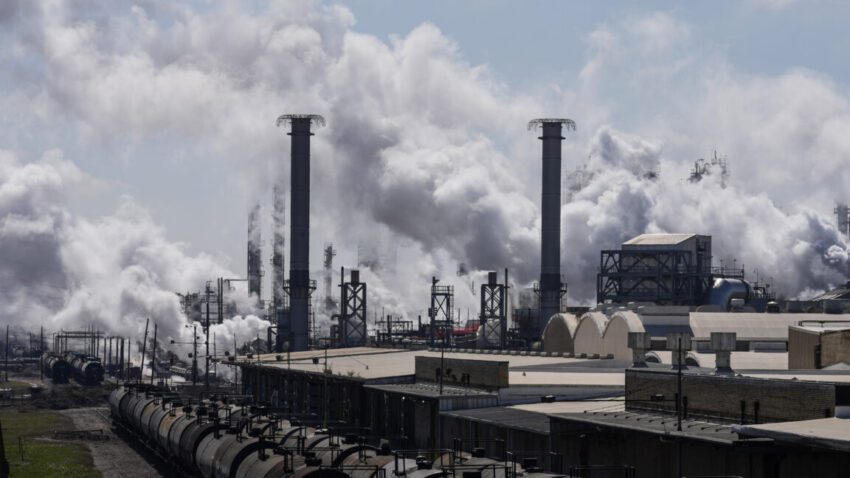
under trump epa s enforcement of environmental Enforcement actions against environmental violations in the United States saw a dramatic decline during the initial year of President Donald Trump’s second term, according to a recent report from the Environmental Integrity Project.
under trump epa s enforcement of environmental
Overview of the Report
The Environmental Integrity Project, a nonprofit organization focused on environmental enforcement and compliance, conducted an analysis of federal court and administrative data to assess the state of environmental law enforcement under the Trump administration. The findings reveal a significant decrease in civil lawsuits filed by the U.S. Department of Justice (DOJ) in cases referred by the Environmental Protection Agency (EPA) during the first year following Trump’s inauguration on January 20, 2025.
Key Findings
According to the report, the DOJ filed only 16 civil lawsuits in the first 12 months of Trump’s second term. This figure represents a staggering 76 percent decline compared to the first year of the Biden administration, which saw 67 lawsuits filed. For context, during Trump’s first term, the DOJ filed 86 lawsuits in its initial year, which itself was a decrease from the 127 lawsuits filed during President Barack Obama’s first year in office.
Comparative Analysis
This decline in enforcement actions highlights a broader trend of reduced environmental oversight during the Trump administration. The report indicates that the number of civil lawsuits filed in the first year of Trump’s second term is not only significantly lower than that of the Biden administration but also reflects a more substantial drop compared to his first term. The data suggests a systematic weakening of the EPA’s enforcement capabilities, raising concerns among environmental advocates and policymakers.
Context of Environmental Enforcement
The role of the EPA is critical in safeguarding the environment and public health by enforcing laws designed to protect air and water quality, manage hazardous waste, and regulate pollutants. The agency’s enforcement actions are essential for holding violators accountable and deterring future violations. A decline in enforcement can lead to increased pollution, public health risks, and environmental degradation.
Historical Perspective
Historically, the enforcement of environmental laws has varied significantly with changes in administration. Under the Obama administration, the EPA was noted for its aggressive enforcement of environmental regulations, which included a focus on climate change and stricter regulations on emissions from power plants and vehicles. Conversely, the Trump administration adopted a more lenient approach, prioritizing deregulation and economic growth over environmental protection.
Implications of Reduced Enforcement
The reduction in enforcement actions during Trump’s second term raises several implications for environmental policy and public health. A decrease in lawsuits may embolden polluters, leading to increased violations of environmental laws. This trend could have long-term consequences for air and water quality, particularly in vulnerable communities that are often disproportionately affected by pollution.
Stakeholder Reactions
Reactions to the report have been swift and varied, reflecting the polarized nature of environmental policy in the United States. Environmental advocates have expressed alarm over the findings, arguing that reduced enforcement undermines decades of progress in environmental protection. They contend that the decline in lawsuits signals a lack of commitment to holding polluters accountable and protecting public health.
Environmental Advocates
Many environmental organizations have called for increased scrutiny of the EPA’s actions and have urged the Biden administration to restore robust enforcement mechanisms. They argue that strong enforcement is essential for achieving environmental justice and protecting communities from the harmful effects of pollution. Advocates emphasize the need for comprehensive policies that prioritize environmental protection and public health over economic interests.
Political Responses
Political responses to the report have also varied. Some lawmakers have criticized the Trump administration’s approach to environmental enforcement, arguing that it prioritizes corporate interests over the health and safety of American citizens. Others, particularly those aligned with Trump, have defended the administration’s record, claiming that deregulation fosters economic growth and job creation.
Future Prospects for Environmental Enforcement
As the Biden administration continues its efforts to reverse many of the policies implemented during the Trump years, the future of environmental enforcement remains uncertain. The administration has signaled a commitment to restoring the EPA’s enforcement capabilities, but challenges remain. The political landscape is highly polarized, and any significant changes to environmental policy will likely face opposition from various stakeholders.
Potential Legislative Changes
Future legislative changes could play a crucial role in shaping the enforcement landscape. Proposals aimed at strengthening environmental regulations and increasing funding for the EPA could help restore the agency’s enforcement capabilities. However, the success of such initiatives will depend on the political will of lawmakers and the ability to navigate a divided Congress.
Public Awareness and Advocacy
Public awareness and advocacy will also be critical in influencing the future of environmental enforcement. Grassroots movements and public campaigns can help hold elected officials accountable and push for stronger environmental protections. Engaging the public in discussions about the importance of environmental enforcement can foster a greater understanding of the issues at stake and mobilize support for necessary changes.
Conclusion
The findings from the Environmental Integrity Project’s report underscore a troubling trend in environmental enforcement in the United States. The significant decline in civil lawsuits filed by the DOJ during the first year of Trump’s second term raises serious concerns about the future of environmental protection and public health. As the nation grapples with the implications of reduced enforcement, the need for robust policies and strong advocacy has never been more critical. The path forward will require a concerted effort from lawmakers, environmental advocates, and the public to ensure that environmental laws are upheld and that the health of communities and ecosystems is prioritized.
Source: Original report
Was this helpful?
Last Modified: February 8, 2026 at 3:36 am
3 views