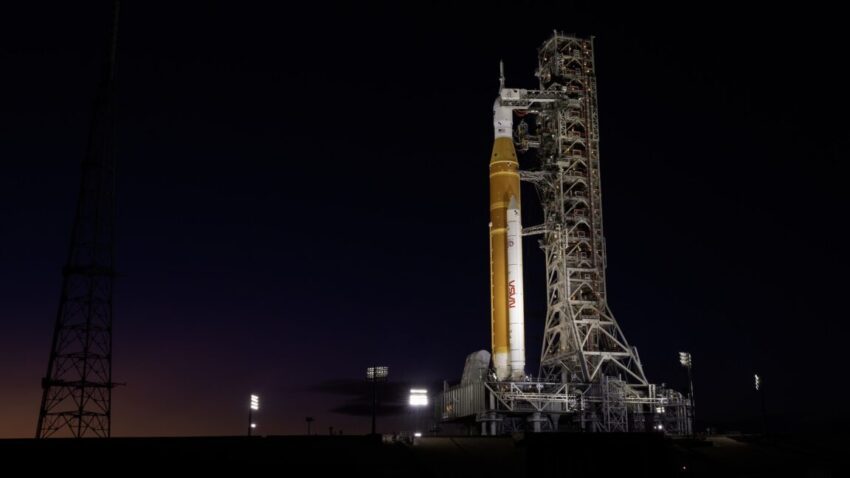
unable to tame hydrogen leaks nasa delays The launch of NASA’s Artemis II mission, the first flight of astronauts to the Moon in more than 53 years, will have to wait another month after a fueling test Monday uncovered hydrogen leaks in the connection between the rocket and its launch platform at Kennedy Space Center in Florida.
unable to tame hydrogen leaks nasa delays
Background on the Artemis Program
The Artemis program represents NASA’s ambitious effort to return humans to the Moon, aiming to establish a sustainable human presence there by the end of the decade. The program is named after Artemis, the twin sister of Apollo in Greek mythology, symbolizing a new era of lunar exploration that builds on the legacy of the Apollo missions of the 1960s and 1970s. Artemis II is particularly significant as it will be the first crewed mission since Apollo 17 in 1972, marking a pivotal moment in space exploration history.
Artemis I, the uncrewed precursor to Artemis II, successfully launched in November 2021 after overcoming its own set of challenges, including hydrogen leaks that delayed its initial launch attempts. The mission tested NASA’s Space Launch System (SLS) rocket and the Orion spacecraft, providing critical data to inform future crewed missions. The successful completion of Artemis I was a crucial step toward the planned crewed missions, with Artemis II set to carry astronauts around the Moon and back.
Details of the Recent Delay
NASA announced the delay of Artemis II following a Wet Dress Rehearsal (WDR) conducted on Monday, which is a critical pre-launch test designed to simulate the countdown process and identify any potential issues. During this two-day test, engineers encountered several challenges but managed to meet many of the planned objectives. However, the test ultimately revealed persistent hydrogen leaks at the connection point between the SLS rocket and the launch platform, leading to the decision to postpone the launch.
Hydrogen Leak Issues
The recurring hydrogen leaks have been a significant concern for NASA, as they were a major factor in the delays experienced during the Artemis I mission. Hydrogen is a highly flammable substance, and any leaks pose serious safety risks. During the Artemis I preparations, engineers had to revise their hydrogen loading procedures to mitigate these leaks, which ultimately allowed for a successful launch. However, the re-emergence of these leaks during the Artemis II WDR indicates that the issue has not been fully resolved.
NASA’s statement following the WDR emphasized the importance of addressing these leaks before proceeding with the launch. “To allow teams to review data and conduct a second Wet Dress Rehearsal, NASA now will target March as the earliest possible launch opportunity for the flight test,” the agency stated. This cautious approach reflects NASA’s commitment to ensuring the safety and reliability of its missions, particularly when human lives are at stake.
Implications of the Delay
The delay of Artemis II has several implications for NASA, the astronauts involved, and the broader goals of the Artemis program. First and foremost, the postponement pushes back the timeline for returning humans to the Moon, which is a key milestone in NASA’s broader vision for lunar exploration and eventual missions to Mars.
Impact on Astronauts and Training
The astronauts selected for Artemis II have been undergoing extensive training in preparation for their mission. This includes simulations, technical training, and physical conditioning to ensure they are ready for the challenges of space travel. The delay may require adjustments to their training schedules, as well as additional time to maintain their readiness for the mission. NASA has not disclosed how the delay will specifically affect the astronauts’ training, but it is likely that they will continue to engage in simulations and other preparatory activities during the extended wait.
Broader Implications for the Artemis Program
Beyond the immediate impact on Artemis II, the delay raises questions about the overall timeline of the Artemis program. NASA has ambitious plans for lunar exploration, including the Artemis III mission, which aims to land astronauts on the lunar South Pole. Any delays in Artemis II could have a cascading effect on subsequent missions, potentially pushing back the timeline for establishing a sustainable human presence on the Moon.
Moreover, the Artemis program is not just about lunar exploration; it is also a stepping stone for future missions to Mars. NASA’s long-term vision includes using the Moon as a testing ground for technologies and systems that will be critical for human exploration of Mars. Delays in lunar missions could therefore impact the agency’s ability to meet its Mars exploration goals.
Stakeholder Reactions
The announcement of the delay has elicited a range of reactions from various stakeholders, including industry partners, space enthusiasts, and the scientific community. Many have expressed disappointment at the setback, particularly given the high expectations surrounding the Artemis program.
Industry Partners
NASA collaborates with numerous industry partners to develop the technologies and systems required for the Artemis missions. Companies involved in the program have invested significant resources and expertise into supporting NASA’s goals. The delay may impact their schedules and financial planning, as they align their efforts with NASA’s timelines. Industry stakeholders are closely monitoring the situation and are likely to provide feedback to NASA as the agency works to resolve the hydrogen leak issues.
Public and Scientific Community
The public has shown considerable interest in the Artemis program, with many eagerly anticipating the return of humans to the Moon. The delay may dampen enthusiasm, but it also underscores the importance of safety and thorough preparation in space exploration. The scientific community is also invested in the outcomes of the Artemis missions, as they will provide valuable data and insights into lunar geology, resource utilization, and the potential for future human settlement on the Moon.
Next Steps for NASA
In light of the recent challenges, NASA is focused on addressing the hydrogen leak issues before proceeding with the next Wet Dress Rehearsal and ultimately the launch of Artemis II. The agency has not provided a detailed timeline for resolving these issues, but it is expected that engineers will conduct a thorough review of the data collected during the WDR to identify potential solutions.
NASA’s commitment to safety and reliability remains paramount, and the agency is likely to prioritize resolving the hydrogen leaks before moving forward. This may involve revisiting the hydrogen loading procedures that were revised for Artemis I, as well as exploring new technologies or methods to prevent leaks during the fueling process.
Conclusion
The delay of the Artemis II mission serves as a reminder of the complexities and challenges inherent in space exploration. While the setback is disappointing for many, it highlights NASA’s commitment to ensuring the safety and success of its missions. As the agency works to resolve the hydrogen leak issues, the focus will remain on preparing for a future where humans can once again explore the Moon and beyond.
Source: Original report
Was this helpful?
Last Modified: February 3, 2026 at 8:39 pm
5 views