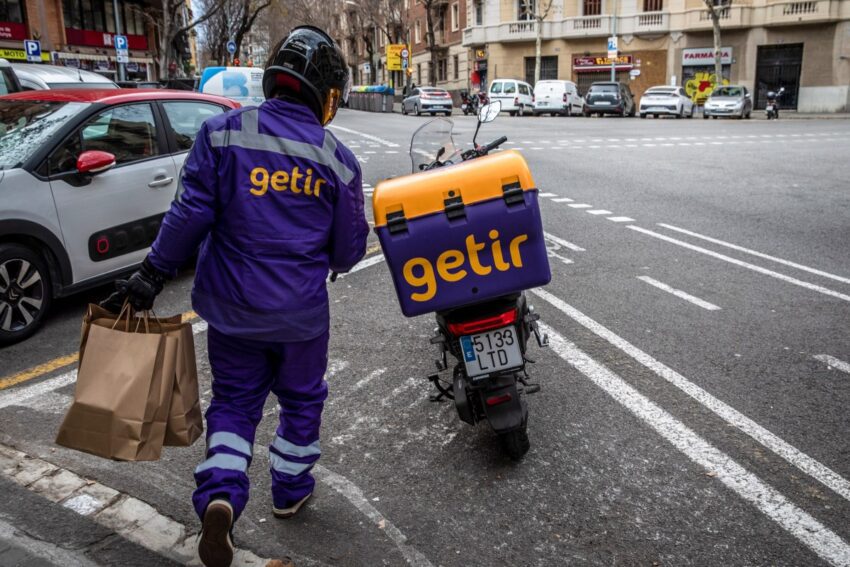
uber to buy delivery arm of turkey Uber has announced its intention to acquire the food delivery arm of Turkey’s Getir in a significant deal valued at $335 million, alongside a $100 million investment for a 15% stake in Getir’s grocery, retail, and water delivery business.
uber to buy delivery arm of turkey
Details of the Acquisition
The acquisition marks a strategic move for Uber as it seeks to expand its footprint in the rapidly growing delivery market. The deal includes an initial payment of $335 million specifically for Getir’s food delivery operations, which have gained traction in Turkey and other markets. Additionally, Uber’s investment of $100 million will secure a 15% stake in Getir’s broader delivery services, which encompass grocery, retail, and water delivery.
Financial Implications
This acquisition is expected to bolster Uber’s existing delivery services, particularly Uber Eats, which has been a focal point of the company’s growth strategy. The financial outlay of $335 million for the food delivery segment represents a significant investment aimed at enhancing Uber’s competitive edge in the food delivery space.
Moreover, the $100 million investment in Getir’s grocery and retail delivery business indicates Uber’s recognition of the increasing consumer demand for quick and convenient delivery options. The grocery delivery sector has seen exponential growth, especially in the wake of the COVID-19 pandemic, as more consumers have turned to online shopping for their grocery needs.
Getir’s Market Position
Founded in 2015, Getir has quickly established itself as a leader in the quick commerce sector, offering rapid delivery services for groceries and other essentials. The company has expanded its operations beyond Turkey, launching services in several international markets, including the UK, the Netherlands, and Spain. Getir’s business model focuses on delivering products to customers within minutes, leveraging a network of dark stores strategically located in urban areas.
Getir’s success can be attributed to its innovative approach to logistics and its ability to meet the demands of modern consumers who prioritize speed and convenience. The company’s emphasis on quick delivery has resonated with customers, allowing it to capture a substantial share of the market.
Strategic Fit for Uber
For Uber, the acquisition of Getir’s food delivery business aligns with its broader strategy to diversify its offerings and strengthen its position in the competitive delivery landscape. Uber Eats has faced increasing competition from other delivery platforms, including DoorDash, Grubhub, and Postmates. By integrating Getir’s operations, Uber aims to enhance its service capabilities and improve customer satisfaction through faster delivery times.
Furthermore, the investment in Getir’s grocery and retail delivery business provides Uber with an opportunity to tap into a lucrative market segment that has shown resilience and growth potential. As consumers continue to seek convenience in their shopping experiences, Uber’s involvement in grocery delivery could position the company as a key player in this evolving market.
Market Reactions
The announcement of the acquisition has generated mixed reactions from industry analysts and stakeholders. Some view the deal as a strategic move that could enhance Uber’s market position, while others express concerns about the challenges of integrating Getir’s operations into Uber’s existing framework.
Positive Outlook
Proponents of the acquisition argue that it provides Uber with immediate access to Getir’s established infrastructure and customer base. By leveraging Getir’s existing logistics and delivery capabilities, Uber can potentially accelerate its growth in the food and grocery delivery sectors. Additionally, the acquisition allows Uber to diversify its revenue streams, reducing its reliance on ride-hailing services, which have faced fluctuations in demand.
Analysts also note that the investment in Getir’s grocery delivery business aligns with broader trends in consumer behavior. As more people opt for online grocery shopping, Uber’s involvement in this space could yield significant returns in the long run.
Concerns and Challenges
On the other hand, some industry experts caution that the integration of Getir’s operations may pose challenges for Uber. Merging two distinct business models requires careful planning and execution to ensure a seamless transition. There are concerns about potential operational inefficiencies and the need to align corporate cultures, which could impact employee morale and customer service.
Moreover, the competitive landscape for delivery services continues to evolve, with new entrants and established players vying for market share. Uber will need to navigate these challenges effectively to realize the full potential of its investment in Getir.
Implications for the Delivery Market
The acquisition of Getir’s food delivery business by Uber could have far-reaching implications for the delivery market as a whole. As major players consolidate their positions, smaller companies may find it increasingly difficult to compete. This trend could lead to further mergers and acquisitions within the industry as companies seek to enhance their capabilities and market reach.
Consumer Impact
For consumers, the acquisition may lead to improved delivery options and faster service. With Uber’s resources and expertise, customers could benefit from enhanced delivery experiences, including more diverse product offerings and quicker delivery times. Additionally, the integration of Getir’s grocery delivery services could provide consumers with a one-stop-shop for their delivery needs, streamlining the shopping process.
Future Prospects
Looking ahead, the success of this acquisition will depend on several factors, including Uber’s ability to effectively integrate Getir’s operations and adapt to changing market dynamics. As consumer preferences continue to evolve, Uber will need to remain agile and responsive to maintain its competitive edge.
Furthermore, the ongoing challenges posed by the pandemic and economic fluctuations will require Uber to continually assess its strategies and make necessary adjustments. The company’s ability to innovate and adapt will be crucial in navigating the complexities of the delivery market.
Conclusion
The acquisition of Getir’s food delivery business represents a significant step for Uber as it seeks to strengthen its position in the competitive delivery landscape. With a substantial financial investment and a strategic focus on grocery and retail delivery, Uber aims to enhance its service offerings and meet the evolving demands of consumers. While the deal presents opportunities for growth, it also comes with challenges that will require careful management and execution. As the delivery market continues to evolve, the implications of this acquisition will be closely monitored by industry stakeholders and consumers alike.
Source: Original report
Was this helpful?
Last Modified: February 9, 2026 at 8:35 pm
4 views