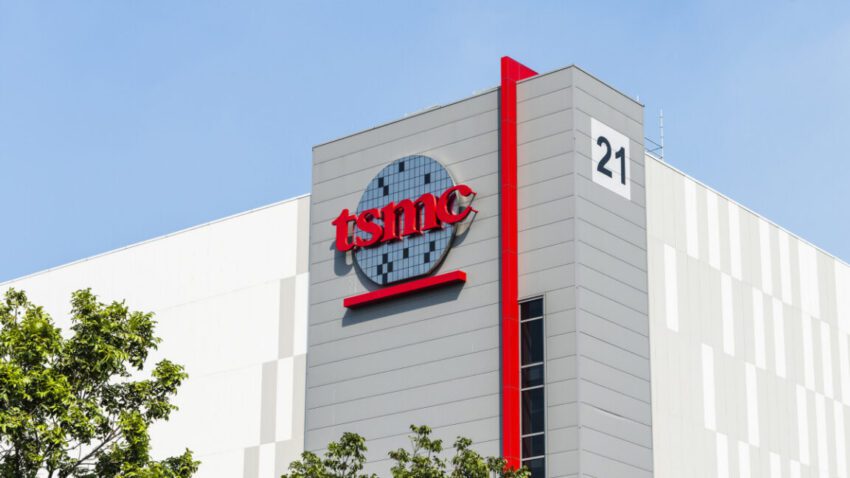
tsmc says ai demand is endless after TSMC has reported record earnings for the fourth quarter, underscoring the company’s optimistic outlook on the future demand for AI chips.
tsmc says ai demand is endless after
Record Earnings Amidst Growing AI Demand
On Thursday, Taiwan Semiconductor Manufacturing Company (TSMC) announced impressive fourth-quarter earnings, signaling a robust demand for semiconductors, particularly in the artificial intelligence (AI) sector. During an earnings call, TSMC’s CEO, C.C. Wei, expressed confidence in the sustained growth of AI chip demand, suggesting that it will continue for years to come. This optimism comes at a time when the semiconductor industry is navigating a complex landscape of technological advancements and geopolitical tensions.
Financial Performance Highlights
TSMC’s financial results for the fourth quarter showcased a significant increase in revenue and profit margins. The company reported a quarterly revenue of $20 billion, marking a year-over-year increase of 15%. This growth can be attributed to the rising demand for advanced semiconductors used in AI applications, which have become integral to various sectors, including automotive, healthcare, and consumer electronics.
In addition to revenue growth, TSMC’s net income reached $7 billion for the quarter, further highlighting the company’s strong financial health. The earnings report not only exceeded analysts’ expectations but also reinforced TSMC’s position as a leader in the semiconductor manufacturing industry.
AI as a Driving Force
During the earnings call, C.C. Wei emphasized the transformative impact of AI on everyday life and its potential to drive long-term growth in the semiconductor sector. He stated, “All in all, I believe in my point of view, the AI is real—not only real, it’s starting to grow into our daily life. And we believe that is kind of—we call it AI megatrend, we certainly would believe that.” Wei’s remarks reflect a broader consensus in the industry that AI is not just a passing trend but a fundamental shift that will shape technological development for years to come.
TSMC’s role in this evolving landscape is critical. As a major supplier of chips for leading tech companies such as Apple, Nvidia, AMD, and Qualcomm, TSMC is at the forefront of AI innovation. The company’s advanced manufacturing capabilities enable it to produce cutting-edge semiconductors that power AI applications, from machine learning algorithms to autonomous vehicles.
Geopolitical Context and Supply Chain Dynamics
TSMC’s operations are also influenced by the geopolitical climate, particularly the ongoing tensions between the United States and China. As the world’s largest contract chip manufacturer, TSMC has become a focal point in discussions surrounding technology and trade. The company’s factories in Taiwan are strategically important, not only for the global electronics supply chain but also for national security considerations.
The U.S. government has been actively promoting domestic semiconductor manufacturing to reduce reliance on foreign suppliers, particularly in light of the semiconductor shortages experienced during the COVID-19 pandemic. In response, TSMC has announced plans to invest $12 billion in a new manufacturing facility in Arizona, which is expected to bolster U.S. semiconductor production and create thousands of jobs.
However, the geopolitical landscape remains complex. China has been investing heavily in its semiconductor industry, aiming to achieve self-sufficiency and reduce dependence on foreign technology. This competition has implications for TSMC, as the company navigates its relationships with both U.S. and Chinese clients. The delicate balance between these two markets will be crucial for TSMC’s future growth.
Implications for the Semiconductor Industry
TSMC’s bullish outlook on AI demand has broader implications for the semiconductor industry as a whole. As companies increasingly integrate AI into their products and services, the need for advanced chips will continue to rise. This trend is expected to drive significant investments in semiconductor research and development, as well as manufacturing capacity.
Moreover, as AI technologies become more sophisticated, the demand for specialized chips, such as graphics processing units (GPUs) and tensor processing units (TPUs), will also increase. These chips are essential for training and deploying AI models, further fueling the growth of the semiconductor market.
Stakeholder Reactions and Market Sentiment
The positive earnings report and TSMC’s outlook on AI demand have been well-received by investors and industry stakeholders. Analysts have noted that TSMC’s performance is a strong indicator of the overall health of the semiconductor sector. Many view the company’s success as a bellwether for the future of technology, particularly in relation to AI advancements.
Investors have responded favorably, with TSMC’s stock price experiencing an uptick following the earnings announcement. This reflects growing confidence in the company’s ability to capitalize on the AI megatrend and maintain its leadership position in the semiconductor market.
Industry experts have also weighed in on TSMC’s outlook. Many believe that the company’s focus on AI will not only drive growth for TSMC but also benefit its clients, who are increasingly reliant on advanced semiconductors to enhance their products and services. As AI continues to permeate various sectors, the demand for TSMC’s chips is expected to remain strong.
Challenges Ahead
Despite the optimistic outlook, TSMC faces several challenges that could impact its growth trajectory. The semiconductor industry is characterized by rapid technological advancements, and companies must continuously innovate to stay competitive. TSMC will need to invest in research and development to ensure that its manufacturing processes remain state-of-the-art and capable of meeting the evolving demands of AI applications.
Additionally, the ongoing geopolitical tensions between the U.S. and China pose risks to TSMC’s operations. The company must navigate regulatory hurdles and potential trade restrictions that could affect its ability to serve clients in both markets. Maintaining strong relationships with key stakeholders will be essential for TSMC as it seeks to mitigate these risks.
The Future of AI and Semiconductor Manufacturing
Looking ahead, the future of AI and semiconductor manufacturing appears promising, with TSMC positioned as a key player in this evolving landscape. The company’s commitment to innovation and its strategic investments in advanced manufacturing capabilities will be critical as demand for AI chips continues to grow.
As AI technologies become increasingly integrated into everyday life, the implications for various industries will be profound. From healthcare to transportation, the potential applications of AI are vast, and the demand for high-performance semiconductors will only increase. TSMC’s ability to adapt to these changes and maintain its leadership position will be crucial for its long-term success.
In conclusion, TSMC’s record fourth-quarter earnings and optimistic outlook on AI demand highlight the company’s pivotal role in the semiconductor industry. As AI continues to shape the technological landscape, TSMC is well-positioned to capitalize on this megatrend, driving growth and innovation in the years to come.
Source: Original report
Was this helpful?
Last Modified: January 16, 2026 at 10:36 pm
0 views