trump wants tiny japanese-style cars for us In a surprising turn of events, President Trump has expressed a desire to introduce tiny Japanese-style Kei cars to the U.S. market, even as his administration moves to roll back fuel economy standards significantly.
trump wants tiny japanese-style cars for us
Current Policy Landscape
Less than a year into his second term, the Trump administration’s policies have raised eyebrows among observers and industry experts alike. The latest developments in the automotive sector exemplify this confusion. On one hand, the administration is pushing to weaken fuel economy standards, a move that has drawn criticism from environmentalists and some consumer advocacy groups. On the other hand, the president has shown an unexpected enthusiasm for Kei cars, a category of small vehicles popular in Japan.
Fuel Economy Standards Under Scrutiny
The backdrop to this announcement is the ongoing debate over fuel economy standards in the United States. In 2012, the Obama administration set ambitious goals aimed at increasing the corporate average fuel economy (CAFE) for light trucks and cars to 50.4 miles per gallon (mpg) by 2025. This initiative was part of a broader strategy to reduce greenhouse gas emissions and promote energy efficiency.
However, these standards faced significant pushback from automakers, who argued that the targets were unrealistic and would impose undue financial burdens on the industry. As a result, the first Trump administration took decisive action to roll back these regulations, establishing new, less stringent targets of 40.4 mpg by 2026. This rollback was framed as a means to stimulate the automotive industry and protect jobs, particularly in manufacturing.
Recent Developments
On the heels of this rollback, the White House announced further plans to erode fuel economy standards even more. This move has been met with skepticism, as it appears to contradict the administration’s stated goals of fostering economic growth while also addressing environmental concerns. Critics argue that weakening these standards could lead to increased emissions and a slower transition to cleaner technologies.
Kei Cars: A Unique Solution?
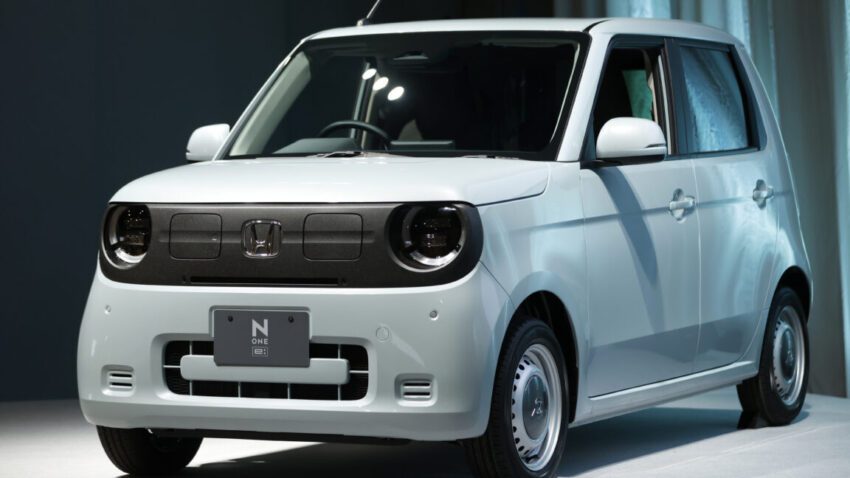
Amidst this backdrop, President Trump’s comments about Kei cars have sparked interest and debate. Kei cars are a unique category of vehicles in Japan, characterized by their compact size and efficient fuel consumption. Typically, these cars are limited to a maximum engine displacement of 660cc and are designed to be economical and practical for urban environments.
During a recent announcement, Trump expressed admiration for these small vehicles, instructing Transportation Secretary Sean Duffy to explore the possibility of making Kei cars street-legal in the United States. This unexpected pivot raises questions about the administration’s overall strategy regarding fuel efficiency and vehicle standards.
Potential Benefits of Kei Cars
Proponents of Kei cars argue that introducing these vehicles to the U.S. market could have several benefits:
- Fuel Efficiency: Kei cars are designed for efficiency, often achieving impressive fuel economy figures that could help offset the effects of rolling back broader fuel economy standards.
- Urban Mobility: Their compact size makes them ideal for urban environments, where parking space is limited and traffic congestion is a significant issue.
- Cost-Effectiveness: Kei cars are generally more affordable than larger vehicles, making them an attractive option for budget-conscious consumers.
Challenges and Considerations
Despite the potential advantages, several challenges must be addressed before Kei cars can become a viable option in the U.S. market:
- Safety Standards: U.S. safety regulations are stringent, and Kei cars would need to meet these standards to be legally sold. This could require significant modifications to the vehicles.
- Market Acceptance: American consumers may be hesitant to embrace smaller vehicles, given the cultural preference for larger SUVs and trucks.
- Infrastructure Compatibility: The existing infrastructure in the U.S. is designed with larger vehicles in mind, which could pose challenges for Kei cars.
Stakeholder Reactions
The announcement has elicited a range of reactions from various stakeholders, including automotive manufacturers, environmental groups, and consumers.
Automakers’ Perspectives
Automakers have historically been resistant to stringent fuel economy standards, arguing that they stifle innovation and increase costs. However, the introduction of Kei cars could present a new opportunity for manufacturers to diversify their offerings. Some companies may see this as a chance to tap into a niche market that has yet to be fully explored in the U.S.
On the other hand, automakers are also concerned about the potential regulatory hurdles associated with bringing Kei cars to market. The need to comply with U.S. safety and emissions standards could complicate the process and deter some manufacturers from pursuing this avenue.
Environmental Advocates
Environmental groups have expressed skepticism regarding the administration’s overall approach to fuel economy standards. Many argue that simply introducing Kei cars will not offset the negative impacts of rolling back existing regulations. They contend that a comprehensive strategy is needed to address climate change and reduce emissions effectively.
Consumer Sentiment
Consumer reactions to the idea of Kei cars are mixed. While some individuals appreciate the potential for affordable, fuel-efficient vehicles, others remain skeptical about their practicality and safety. The success of Kei cars in the U.S. market may ultimately depend on consumer education and marketing efforts to highlight their benefits.
Implications for the Future
The juxtaposition of rolling back fuel economy standards while simultaneously advocating for Kei cars raises important questions about the future of automotive policy in the United States. It suggests a potential shift in focus from broad regulatory frameworks to more targeted initiatives aimed at specific vehicle categories.
As the administration moves forward with its plans, it will be crucial to monitor the impact of these policies on both the automotive industry and the environment. The introduction of Kei cars could serve as a litmus test for the administration’s ability to balance economic growth with environmental responsibility.
Conclusion
In summary, President Trump’s recent comments about Kei cars reflect a complex and often contradictory approach to automotive policy. While the administration’s plans to roll back fuel economy standards have drawn criticism, the potential introduction of Kei cars could offer a new avenue for promoting fuel efficiency and urban mobility. As stakeholders navigate this evolving landscape, the implications for the automotive industry and environmental policy will continue to unfold.
Source: Original report
Was this helpful?
Last Modified: December 4, 2025 at 9:36 pm
4 views