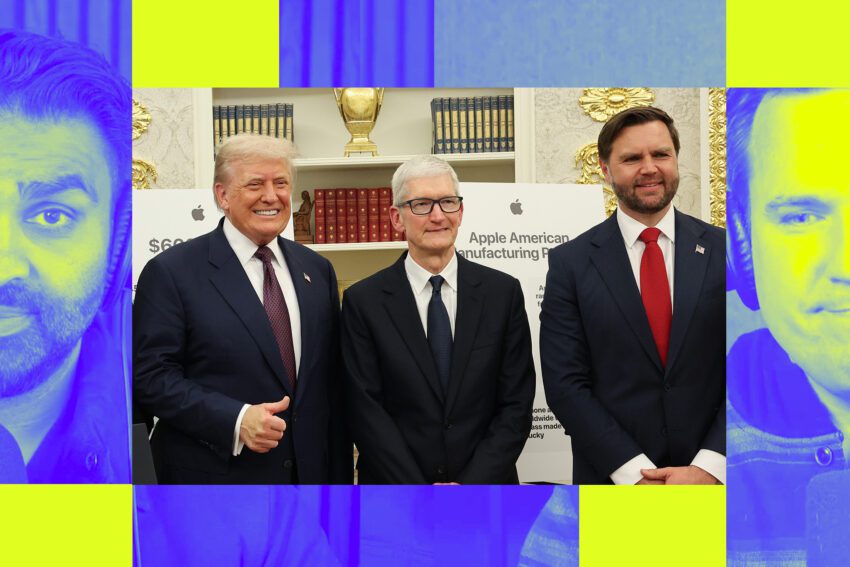
tim cook is destroying his own legacy Tim Cook’s recent decisions have sparked a debate about the responsibilities of corporate leaders in addressing societal issues.
tim cook is destroying his own legacy
The Role of Corporate Leaders in Social Responsibility
In today’s interconnected world, the role of corporate leaders extends beyond the confines of their companies. As influential figures, they are often expected to take a stand on pressing social issues. This expectation raises a critical question: What responsibility do leaders like Tim Cook have to speak out against injustices or societal problems? The implications of their silence or vocalization can significantly impact their businesses, stakeholders, and the broader community.
Understanding the Stakes
When corporate leaders choose to address societal issues, they must navigate a complex landscape. Speaking out can alienate certain customer bases, provoke backlash from shareholders, or even lead to boycotts. Conversely, silence on critical issues can lead to accusations of complicity or indifference. For instance, Cook has faced scrutiny for his responses—or lack thereof—to various social and political issues, including privacy concerns, labor practices, and environmental sustainability.
The Balancing Act
For leaders like Cook, the balancing act involves weighing the potential benefits of taking a stand against the risks it may pose to their business. This balancing act is particularly challenging in a polarized environment where public opinion can shift rapidly. The stakes are high, and the consequences of missteps can reverberate throughout the organization.
Recent Controversies Involving Tim Cook
Tim Cook’s leadership at Apple has not been without controversy. Recent events have highlighted the tension between corporate interests and social responsibility. For example, Cook’s handling of Apple’s relationship with China has drawn criticism. While the Chinese market is vital for Apple’s revenue, the company’s ties to a government known for human rights abuses raise ethical questions. Critics argue that Cook prioritizes profit over principles, potentially damaging his legacy.
The China Dilemma
Apple’s reliance on China for manufacturing and sales presents a significant dilemma for Cook. On one hand, the Chinese market is crucial for Apple’s growth; on the other, the company’s association with a regime that has been accused of suppressing dissent and violating human rights poses ethical challenges. Cook’s decisions in this area illustrate the complexities of corporate leadership in a globalized economy.
Privacy and Data Security
Another area where Cook’s decisions have come under scrutiny is privacy and data security. Apple has positioned itself as a champion of user privacy, often contrasting itself with competitors like Facebook and Google. However, the company has faced criticism for its handling of user data, particularly in light of recent revelations about data breaches and surveillance. Critics argue that while Cook promotes privacy, Apple’s practices may not always align with its rhetoric.
The Implications of Silence
When corporate leaders choose to remain silent on pressing social issues, the implications can be profound. Silence can be interpreted as tacit approval of the status quo, leading to a loss of trust among consumers and stakeholders. For Cook, failing to address issues such as climate change, labor practices, or social justice can tarnish his legacy and Apple’s reputation.
Stakeholder Reactions
Stakeholders, including employees, customers, and investors, are increasingly vocal about their expectations for corporate responsibility. Employees, particularly younger generations, are more likely to demand that their employers take a stand on social issues. This shift in expectations places additional pressure on leaders like Cook to align their corporate values with the values of their workforce.
Consumer Expectations
Consumers are also becoming more discerning about the companies they support. A growing number of customers prefer to engage with brands that demonstrate a commitment to social responsibility. This trend has led to a rise in “conscious consumerism,” where individuals make purchasing decisions based on a company’s ethical practices. For Cook, this means that silence on critical issues could result in lost sales and diminished brand loyalty.
The Future of Corporate Leadership
The evolving landscape of corporate responsibility raises important questions about the future of leadership. As societal expectations shift, leaders like Cook must adapt to remain relevant and respected. The challenge lies in finding a balance between business interests and social responsibility.
Embracing Transparency
One potential path forward for corporate leaders is to embrace transparency. By openly discussing their values and the challenges they face, leaders can build trust with stakeholders. Transparency allows companies to communicate their intentions and the rationale behind their decisions, fostering a sense of accountability.
Engaging with Stakeholders
Engaging with stakeholders is another crucial aspect of modern corporate leadership. By actively listening to the concerns of employees, customers, and investors, leaders can better understand the expectations placed upon them. This engagement can lead to more informed decision-making and a stronger alignment between corporate actions and stakeholder values.
Conclusion: The Legacy of Tim Cook
As Tim Cook navigates the complexities of corporate leadership, the decisions he makes will undoubtedly shape his legacy. The balance between profit and principle is a delicate one, and the consequences of his choices will resonate far beyond Apple’s bottom line. In an era where corporate responsibility is increasingly scrutinized, Cook’s ability to address societal issues while maintaining business interests will be pivotal in determining how he is remembered.
Ultimately, the question remains: What responsibility do corporate leaders have to speak out against injustices? For Tim Cook, the answer may lie in finding a way to harmonize business success with a commitment to social responsibility, ensuring that his legacy is one of integrity and impact.
Source: Original report
Was this helpful?
Last Modified: January 31, 2026 at 4:50 am
5 views