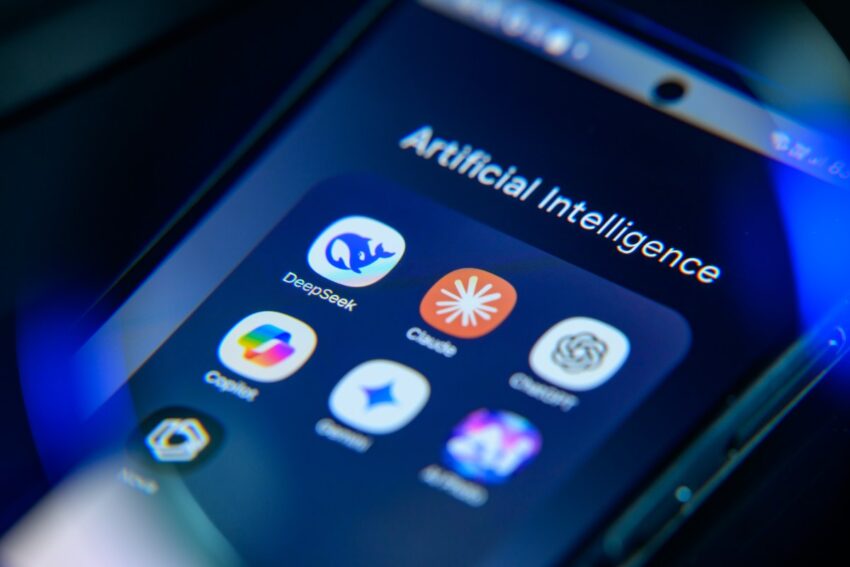
three in 10 us teens use ai Recent research indicates that 30% of U.S. teenagers engage with AI chatbots on a daily basis, raising significant concerns regarding safety and the implications of this growing trend.
three in 10 us teens use ai
Understanding Teen Engagement with AI Chatbots
AI chatbots have rapidly become a staple in the digital lives of teenagers. Initially, many adolescents turn to these platforms for straightforward inquiries, such as homework help or general knowledge questions. However, as they become more accustomed to interacting with these AI systems, their usage can evolve into a more habitual or even addictive relationship.
The Appeal of AI Chatbots
Several factors contribute to the increasing popularity of AI chatbots among teenagers:
- Accessibility: AI chatbots are available 24/7, providing instant responses to queries without the need for human interaction.
- Personalization: Many chatbots can tailor their responses based on previous interactions, creating a sense of familiarity and comfort.
- Entertainment: Beyond answering questions, chatbots often engage users through games, storytelling, and interactive experiences, making them appealing for leisure activities.
These features make AI chatbots not only useful tools for information but also engaging companions for teenagers navigating their formative years.
Statistics on Teen Usage
The findings from recent surveys reveal that a significant portion of U.S. teens are integrating AI chatbots into their daily routines. According to a study conducted by the Pew Research Center:
- 30% of teenagers reported using AI chatbots every day.
- Approximately 50% of teens have used chatbots at least once in the past month.
- Usage is notably higher among older teens, with 40% of those aged 16-18 engaging with chatbots daily.
This data underscores the growing reliance on AI technology among younger demographics, highlighting a shift in how information is consumed and processed.
Potential Risks and Safety Concerns
While the benefits of AI chatbots are evident, the increasing prevalence of their use among teenagers raises several safety concerns. Experts warn that the unregulated nature of many chatbot platforms can expose users to various risks, including:
Privacy Issues
One of the primary concerns surrounding AI chatbots is the potential for privacy violations. Many chatbots collect data from users to improve their services, which can lead to:
- Data Misuse: Personal information shared with chatbots may be stored and used for purposes beyond the intended scope, including targeted advertising.
- Lack of Anonymity: Teens may not fully understand that their conversations are not entirely private, leading to potential exposure of sensitive information.
Misinformation and Inaccurate Responses
Another significant risk is the potential for misinformation. AI chatbots are only as reliable as the data they are trained on. Instances of:
- Inaccurate Information: Chatbots may provide incorrect or misleading answers, which can be particularly harmful when users rely on them for academic or health-related queries.
- Inappropriate Content: Some chatbots may inadvertently generate or expose users to inappropriate or harmful content, especially if they are not adequately moderated.
Emotional and Psychological Impacts
The emotional implications of frequent chatbot interactions are also a growing concern. As teenagers increasingly turn to AI for companionship or advice, they may:
- Develop Attachment: Some teens may form emotional attachments to chatbots, which could affect their real-life relationships and social skills.
- Experience Isolation: Relying on AI for social interaction may lead to feelings of loneliness or isolation, as virtual conversations cannot replace genuine human connections.
Stakeholder Reactions
The rise in AI chatbot usage among teenagers has prompted reactions from various stakeholders, including educators, parents, and technology companies.
Educators’ Perspectives
Many educators express concern about the implications of AI chatbots on learning. While some see the potential for enhanced learning experiences, others worry that:
- Academic Integrity: The ease of obtaining answers from chatbots may encourage cheating and undermine the learning process.
- Critical Thinking Skills: Over-reliance on AI for information may hinder the development of critical thinking and problem-solving skills among students.
Parents’ Concerns
Parents are also voicing concerns regarding their children’s interactions with AI chatbots. Many are worried about:
- Screen Time: Increased usage of chatbots contributes to overall screen time, which can have adverse effects on physical and mental health.
- Content Exposure: Parents fear that their teens may encounter inappropriate content or engage in risky behavior while using chatbots.
Technology Companies’ Responsibility
In response to these concerns, technology companies are being urged to take greater responsibility for the safety of their platforms. This includes:
- Implementing Safeguards: Companies are encouraged to develop robust moderation systems to filter out harmful content and protect user privacy.
- Providing Transparency: Clear guidelines on data usage and privacy policies can help users understand how their information is handled.
Future Implications
The ongoing integration of AI chatbots into the daily lives of teenagers presents both opportunities and challenges. As technology continues to evolve, several implications arise:
Educational Innovations
AI chatbots have the potential to revolutionize education by providing personalized learning experiences. They can:
- Offer Tailored Support: Chatbots can adapt to individual learning styles, helping students grasp complex concepts at their own pace.
- Enhance Engagement: Interactive learning through chatbots may increase student engagement and motivation in academic settings.
Regulatory Considerations
As the usage of AI chatbots grows, there may be a push for regulatory measures to ensure user safety. This could involve:
- Establishing Guidelines: Governments may implement regulations to govern the use of AI technologies, particularly those aimed at minors.
- Promoting Digital Literacy: Educational initiatives focusing on digital literacy can empower teens to navigate AI technologies responsibly.
Conclusion
The increasing use of AI chatbots among U.S. teenagers highlights a significant shift in how young people access information and interact with technology. While these tools offer numerous benefits, the associated risks cannot be overlooked. As stakeholders continue to address safety concerns, it is essential to strike a balance between harnessing the advantages of AI and protecting the well-being of users. The future of AI chatbots will depend on responsible usage, effective regulation, and ongoing dialogue among educators, parents, and technology developers.
Source: Original report
Was this helpful?
Last Modified: December 10, 2025 at 5:42 am
2 views