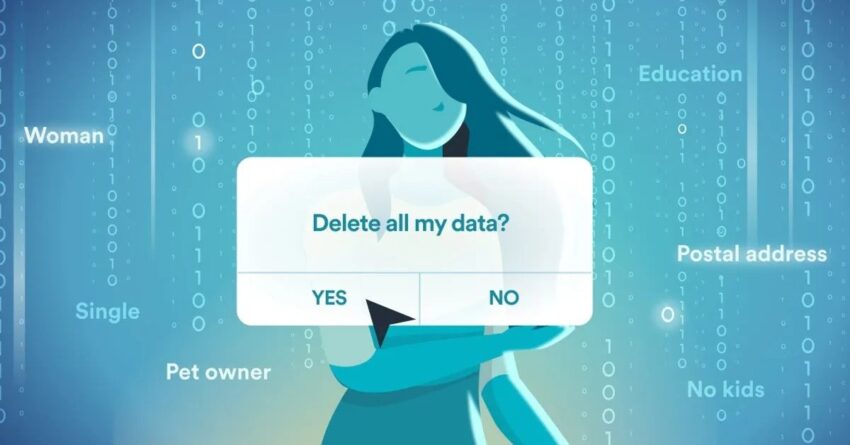
this tax season is a key time This tax season presents a critical opportunity for individuals to safeguard their personal data from potential misuse.
this tax season is a key time
The Growing Threat of Data Breaches
In today’s digital landscape, the threat of data breaches is more pronounced than ever. With the rise of sophisticated cybercriminals, personal information is increasingly vulnerable to theft and exploitation. Tax season, in particular, amplifies these risks, as individuals are more likely to share sensitive information with various entities, such as tax preparers and financial institutions.
According to a report by the Identity Theft Resource Center, the number of data breaches has surged in recent years, exposing millions of records. This influx of exposed data has created a fertile ground for scammers and spammers, who can easily access personal details like phone numbers, email addresses, and even Social Security numbers. The consequences can be devastating, leading to identity theft, financial loss, and long-term damage to an individual’s credit score.
Understanding the Risks During Tax Season
Tax season is a particularly vulnerable time for individuals, as the urgency to file taxes can lead to hasty decisions regarding data sharing. Many people rely on online tax preparation services, which, while convenient, can also expose them to risks if proper precautions are not taken. Cybercriminals often exploit this rush, using phishing schemes and other tactics to trick individuals into revealing personal information.
Common Scams to Watch Out For
During tax season, several scams are prevalent, including:
- Phishing Emails: Scammers often send emails that appear to be from legitimate tax agencies, asking recipients to verify their information. These emails may contain links to fraudulent websites designed to steal personal data.
- Fake Tax Preparers: Some individuals may fall victim to scammers posing as tax professionals. These impostors may promise large refunds or charge low fees, only to abscond with personal information.
- Tax Refund Fraud: Cybercriminals may file false tax returns using stolen personal information to claim refunds, often before the legitimate taxpayer has a chance to file.
Understanding these common scams can help individuals remain vigilant and protect their personal data during this critical time.
Data Brokers and Their Role
One of the primary culprits behind the ease of access to personal data is the proliferation of data brokers. These companies collect, aggregate, and sell personal information from various sources, including public records, social media, and online transactions. This data can include everything from basic contact information to sensitive details like Social Security numbers and financial histories.
Data brokers operate in a largely unregulated environment, making it difficult for individuals to control their personal information. As a result, tax season becomes a peak time for fraud, as scammers can purchase or access this data to target individuals more effectively.
How Data Brokers Operate
Data brokers gather information through various means, including:
- Public Records: Many data brokers utilize publicly available records, such as property deeds, court records, and voter registrations, to compile comprehensive profiles on individuals.
- Online Activity: Browsing habits, social media interactions, and online purchases contribute to the data collected by brokers. This information is often aggregated to create detailed consumer profiles.
- Surveys and Promotions: Many companies collect personal information through surveys or promotional offers, which can then be sold to data brokers.
The ease with which data brokers can access and sell personal information underscores the importance of taking proactive measures to protect one’s data, especially during tax season.
Steps to Protect Your Personal Data
Fortunately, there are several effective strategies individuals can employ to reduce their risk of data exposure during tax season:
1. Review Privacy Settings
Start by reviewing the privacy settings on social media accounts and other online platforms. Limiting the visibility of personal information can help reduce the chances of it being accessed by data brokers or scammers.
2. Opt-Out of Data Broker Services
Many data brokers offer opt-out options that allow individuals to remove their information from their databases. While this process can be tedious, it is a crucial step in regaining control over personal data. Websites like Privacy Rights Clearinghouse provide resources for individuals looking to opt-out of various data broker services.
3. Use Strong Passwords and Two-Factor Authentication
Employing strong, unique passwords for online accounts is essential. Additionally, enabling two-factor authentication adds an extra layer of security, making it more difficult for unauthorized users to access personal information.
4. Be Cautious with Sharing Information
During tax season, be mindful of the information shared with tax preparers and financial institutions. Ensure that these entities are reputable and have strong security measures in place to protect sensitive data.
5. Monitor Financial Statements
Regularly reviewing bank and credit card statements can help individuals detect any unauthorized transactions early. If suspicious activity is noticed, it is crucial to report it immediately to the financial institution.
6. Shred Sensitive Documents
Before disposing of any documents containing personal information, such as tax returns or bank statements, it is advisable to shred them. This simple step can prevent identity theft by ensuring that sensitive information does not fall into the wrong hands.
The Importance of Data Deletion
As tax season approaches, it is also essential to consider the importance of data deletion. Deleting unnecessary personal data from online platforms can significantly reduce the risk of exposure. This includes old accounts, outdated information, and any data that is no longer needed.
How to Effectively Delete Personal Data
To effectively delete personal data, individuals should:
- Identify Unused Accounts: Conduct a thorough audit of online accounts and identify those that are no longer in use. Closing these accounts can help minimize data exposure.
- Delete Old Emails: Email accounts often contain sensitive information. Deleting old emails, especially those containing personal data, can reduce the risk of exposure.
- Utilize Data Deletion Tools: Several online tools and services can assist in the secure deletion of personal data from various platforms.
Stakeholder Reactions and Implications
The implications of data exposure during tax season extend beyond individual victims. Businesses, financial institutions, and regulatory bodies are increasingly recognizing the need for stronger data protection measures. Stakeholders are advocating for more stringent regulations on data brokers and enhanced security protocols for online transactions.
Consumer advocacy groups have also voiced concerns regarding the lack of transparency in how data brokers operate. They argue that individuals should have the right to know what data is being collected and how it is being used. This has led to calls for legislative action aimed at increasing consumer protections and holding data brokers accountable for their practices.
Conclusion
As tax season approaches, individuals must remain vigilant about protecting their personal data. The risks associated with data exposure are significant, particularly during this time when sensitive information is frequently shared. By understanding the threats, taking proactive measures to safeguard personal information, and advocating for stronger data protection regulations, individuals can better protect themselves from the growing tide of cybercrime.
Ultimately, the responsibility for data protection lies not only with individuals but also with businesses and regulatory bodies. A collective effort is necessary to create a safer digital environment for everyone, especially during critical periods like tax season.
Source: Original report
Was this helpful?
Last Modified: March 28, 2026 at 8:42 pm
7 views