
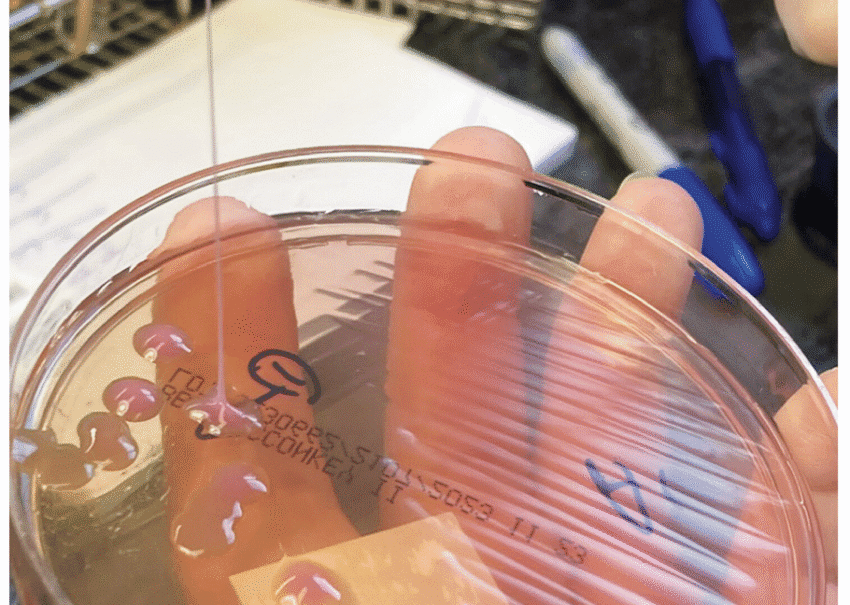
this may be the grossest eye pic A 63-year-old man from New England recently faced a severe health crisis linked to a hypervirulent bacterial infection that has been increasingly reported worldwide.
this may be the grossest eye pic
Initial Symptoms and Hospital Visit
The man, who was generally healthy prior to this incident, began experiencing troubling symptoms three weeks before his hospital admission. He reported consuming what he believed to be contaminated meat, which led to vomiting and diarrhea. These gastrointestinal symptoms persisted for about two weeks but eventually subsided. However, they were soon replaced by a new set of alarming issues: a persistent cough, chills, and a fever.
As his condition deteriorated, he sought medical attention. Upon arrival at the hospital, his symptoms prompted a series of diagnostic tests to determine the underlying cause of his illness. The medical team conducted X-rays and computed tomography (CT) scans of his chest and abdomen, which revealed concerning findings.
Diagnostic Imaging Findings
The imaging studies uncovered a significant number of abnormalities. Specifically, over 15 nodules and masses were identified in his lungs, indicating a severe pulmonary condition. Additionally, a mass measuring 8.6 cm in diameter (approximately 3.4 inches) was detected in his liver. These findings raised immediate concerns among the medical staff regarding the potential for a serious infection or malignancy.
Understanding Hypervirulent Bacteria
Hypervirulent bacteria are a class of pathogens that possess enhanced virulence factors, making them particularly dangerous. Unlike typical strains, these bacteria can cause severe disease even in otherwise healthy individuals. The rise of such bacteria globally has become a significant public health concern, as they often evade standard treatment protocols and can lead to rapid deterioration of health.
In this case, the specific strain affecting the man was not immediately identified, but the symptoms and imaging results suggested a severe systemic infection. The medical team recognized the urgency of the situation and admitted him for further evaluation and treatment.
Hospital Treatment and Ongoing Symptoms
Upon admission, the man was provided with supplemental oxygen to assist with his breathing, as his cough and chills persisted despite initial interventions. Antibiotics were administered in an effort to combat the suspected infection. However, the patient’s condition did not improve as expected, raising concerns about the effectiveness of the treatment and the possibility of a more aggressive infection.
Potential Complications
The presence of multiple nodules in the lungs, combined with a large mass in the liver, indicated that the infection could be spreading rapidly. Such complications can lead to a range of serious health issues, including respiratory failure, sepsis, and multi-organ dysfunction. The medical team was acutely aware of the potential for these outcomes and continued to monitor the patient closely.
Broader Implications of Rising Hypervirulent Infections
The case of this 63-year-old man highlights a growing trend in infectious diseases, particularly the emergence of hypervirulent strains. Public health experts have noted an increase in these bacteria, which can be attributed to various factors, including antibiotic misuse, changes in agricultural practices, and global travel. As these bacteria become more prevalent, the risk to public health escalates, necessitating a reevaluation of current treatment strategies and preventive measures.
Stakeholder Reactions
Healthcare professionals and public health officials have expressed concern over the rise of hypervirulent bacteria. Many are calling for increased surveillance and research to better understand these pathogens and their transmission dynamics. Additionally, there is a push for enhanced education regarding food safety and antibiotic stewardship to mitigate the risks associated with these infections.
Patients and their families are also feeling the impact of these rising infections. The fear of contracting a severe illness from seemingly benign sources, such as food, can lead to anxiety and changes in behavior. Public awareness campaigns may be necessary to inform individuals about the risks and encourage safe practices.
Conclusion
The case of the New England man serves as a stark reminder of the potential dangers posed by hypervirulent bacteria. As healthcare providers continue to grapple with these emerging threats, it is crucial for individuals to remain vigilant about their health and seek medical attention when experiencing unusual or severe symptoms. Ongoing research and public health initiatives will be essential in addressing the challenges posed by these formidable pathogens.
As the medical community works to understand and combat the rise of hypervirulent infections, the experiences of patients like this man will help shape future strategies for prevention and treatment. The implications of this case extend beyond individual health, highlighting the need for a coordinated response to a growing public health crisis.
Source: Original report
Was this helpful?
Last Modified: January 17, 2026 at 11:38 am
0 views














