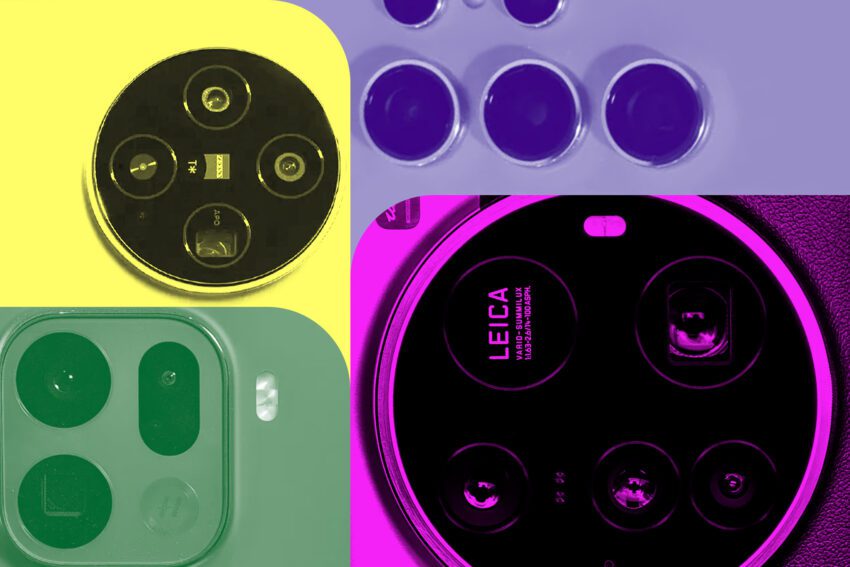
the telephoto is the only phone camera Samsung’s Galaxy S20 Ultra has reignited the conversation around the importance of telephoto lenses in smartphone photography, positioning them as a crucial feature for modern mobile devices.
the telephoto is the only phone camera
The Evolution of Smartphone Cameras
The journey of smartphone cameras has been nothing short of revolutionary. Initially, mobile devices were equipped with basic cameras that served merely functional purposes. However, as technology advanced, the demand for high-quality photography capabilities surged. This shift was driven by social media platforms, where users sought to share high-resolution images instantly. In response, manufacturers began to innovate, leading to the introduction of multiple camera systems, including ultra-wide, macro, and telephoto lenses.
The Rise of the Telephoto Lens
Among these innovations, the telephoto lens has emerged as a standout feature. Unlike standard lenses, which capture images at a wide angle, telephoto lenses allow for greater zoom capabilities without sacrificing image quality. This is particularly beneficial for capturing distant subjects, making them ideal for wildlife photography, sports events, and even candid shots from afar. The ability to zoom in while maintaining clarity has transformed how users approach photography with their smartphones.
Samsung’s Bold Move with the Galaxy S20 Ultra
Samsung’s Galaxy S20 Ultra, released in early 2020, marked a significant milestone in the evolution of smartphone cameras. While it wasn’t the first device to feature a periscopic telephoto lens—Huawei and Oppo had already introduced similar technology—it was the first to bring such a feature into the spotlight in the U.S. market. Samsung’s aggressive marketing strategy emphasized its “Space Zoom” capabilities, which included a 5x optical zoom and the ability to digitally zoom much further.
Marketing Strategy and Consumer Reception
Samsung’s marketing campaign for the S20 Ultra was extensive, showcasing the device’s telephoto capabilities through various promotional materials. The company highlighted how users could capture stunning images of distant subjects, effectively appealing to both amateur photographers and enthusiasts. This focus on telephoto technology not only set the S20 Ultra apart from its competitors but also influenced consumer expectations regarding smartphone photography.
Consumer reception was overwhelmingly positive, with many praising the camera’s performance, particularly in low-light conditions. The S20 Ultra’s telephoto lens allowed users to capture images with impressive detail, even from a distance. This capability resonated with users who valued photography as a means of storytelling, further solidifying the telephoto lens’s importance in the smartphone market.
Telephoto vs. Other Camera Features
While manufacturers have introduced various camera features, the telephoto lens stands out for several reasons. Unlike ultra-wide lenses, which capture more of the scene but can distort images, telephoto lenses offer a more natural perspective. They excel in portrait photography, allowing for beautiful background blur (bokeh) while keeping the subject in sharp focus. This quality has made telephoto lenses a favorite among photographers looking to create professional-looking images with their smartphones.
Implications for Future Smartphone Designs
The success of telephoto lenses in devices like the Galaxy S20 Ultra has implications for future smartphone designs. As competition intensifies among manufacturers, the demand for advanced camera systems will likely continue to grow. Companies may invest more in developing innovative telephoto technologies, such as improved optical zoom capabilities and enhanced image stabilization features.
Furthermore, as consumers become more discerning about camera quality, manufacturers will need to prioritize telephoto lenses in their offerings. This trend could lead to a broader range of devices equipped with high-quality telephoto capabilities, making them accessible to a wider audience.
Stakeholder Reactions and Industry Trends
The introduction of advanced telephoto lenses has garnered attention not only from consumers but also from industry experts and competitors. Many analysts have noted that Samsung’s focus on telephoto technology has set a new standard for smartphone photography. As a result, other manufacturers have begun to follow suit, integrating similar features into their devices.
Competitive Landscape
Companies like Apple, Google, and Xiaomi have also recognized the significance of telephoto lenses. Apple’s iPhone series, for instance, has included telephoto capabilities since the iPhone 7 Plus, and the latest models continue to refine this feature. Google, known for its computational photography, has also introduced telephoto options in its Pixel lineup, showcasing how essential this feature has become across various brands.
The competitive landscape is evolving, with manufacturers striving to differentiate their products through camera capabilities. The emphasis on telephoto lenses has led to innovations such as improved optical zoom, enhanced low-light performance, and advanced image processing algorithms. This arms race in smartphone photography is likely to benefit consumers, who will have access to increasingly sophisticated camera systems.
The Broader Impact of Telephoto Technology
The impact of telephoto technology extends beyond individual devices; it has influenced the way people engage with photography as a whole. The ability to capture distant subjects with clarity has empowered users to explore new genres of photography, from wildlife to sports and even street photography. This democratization of photography has led to a surge in creativity, as users experiment with different styles and techniques.
Social Media and Telephoto Photography
The rise of social media platforms has further amplified the importance of telephoto capabilities. Users are increasingly sharing images that showcase their photography skills, and the demand for high-quality images has never been higher. Telephoto lenses enable users to capture stunning shots that stand out in crowded feeds, making them an essential tool for anyone looking to make an impact online.
Moreover, the integration of telephoto technology into smartphones has made photography more accessible. Users no longer need to invest in expensive camera equipment to achieve professional-quality results. Instead, they can rely on their smartphones, which are often more convenient and portable.
Conclusion: The Future of Telephoto Lenses in Smartphones
As the smartphone market continues to evolve, the telephoto lens will likely remain a critical feature for consumers. The success of devices like the Samsung Galaxy S20 Ultra has demonstrated the demand for high-quality telephoto capabilities, prompting manufacturers to invest in this technology. As competition intensifies, consumers can expect to see even more innovative features and improvements in telephoto lenses.
Ultimately, the telephoto lens has become more than just a camera feature; it represents a shift in how we perceive and engage with photography in the digital age. With advancements in technology and increasing consumer expectations, the future of telephoto lenses in smartphones looks promising, paving the way for a new era of mobile photography.
Source: Original report
Was this helpful?
Last Modified: February 1, 2026 at 6:36 pm
1 views