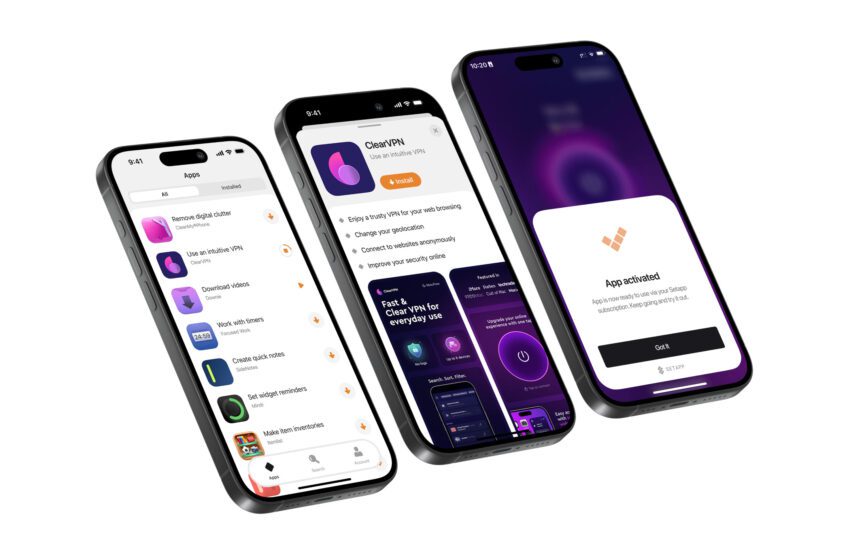
the setapp mobile ios store is shutting Setapp Mobile, an alternative app marketplace, is set to shut down on February 16, 2026, highlighting the challenges faced by third-party app stores in gaining traction among users.
the setapp mobile ios store is shutting
Background on Setapp Mobile
Launched by MacPaw, a Ukrainian software development company, Setapp Mobile aimed to provide a subscription-based platform for iOS applications. This initiative emerged in the context of the European Union’s Digital Markets Act (DMA), which sought to promote competition in the digital marketplace by allowing third-party app stores on devices traditionally dominated by major players like Apple. The DMA was designed to dismantle monopolistic practices and encourage innovation, but the reality has proven to be more complex.
Setapp Mobile was part of a broader trend where developers sought to create alternative ecosystems for app distribution. The promise of the DMA was to empower users and developers alike, giving them more choices and fostering a diverse app landscape. However, despite the regulatory changes, the adoption of such platforms has been tepid at best.
The Shutdown Announcement
On a support page, MacPaw announced the impending closure of Setapp Mobile, stating that the decision was driven by “still-evolving and complex business terms that don’t fit Setapp’s current business model.” This admission underscores the difficulties that third-party app stores face in aligning their operations with the existing market dynamics.
The announcement also indicated that users would lose access to any apps they had downloaded through the platform. This aspect is particularly concerning for users who may have invested time and money into the service, as they will not only lose access to their applications but also any associated data or features.
Implications for Users
The shutdown of Setapp Mobile raises several questions for its users. First and foremost, those who relied on the platform for app access will need to transition to the official Apple App Store or explore other alternatives. This shift may not only be inconvenient but could also limit users’ choices, as they may find that certain applications are not available on the Apple App Store.
Moreover, the loss of access to apps could disrupt workflows for individuals and businesses that depended on specific tools offered through Setapp Mobile. Users will need to identify replacements for their essential applications, which could lead to increased frustration and downtime.
Challenges for Third-Party App Stores
The closure of Setapp Mobile is emblematic of the broader challenges faced by third-party app stores. While regulatory changes like the DMA are intended to create a more level playing field, the reality is that user adoption is not guaranteed. Several factors contribute to this phenomenon:
- Brand Loyalty: Apple has cultivated a strong brand loyalty among its users, who often prefer the familiarity and perceived security of the official App Store. This loyalty can be difficult for alternative platforms to overcome.
- Quality Control: Users often associate the App Store with a certain level of quality and security. Third-party app stores may struggle to establish similar trust, especially if they lack stringent vetting processes.
- Marketing and Visibility: Competing for visibility in a crowded market is a significant challenge. Established platforms like the App Store have extensive marketing resources, making it difficult for newcomers to gain traction.
- Complex Business Models: As evidenced by Setapp’s announcement, aligning business models with user expectations and market realities can be complex. Third-party stores must navigate a landscape that is not only competitive but also fraught with regulatory and operational hurdles.
Reactions from Stakeholders
The announcement of Setapp Mobile’s shutdown has elicited various reactions from stakeholders in the tech community. Developers who had hoped to leverage the platform for greater exposure may now need to reassess their distribution strategies. Some may view this as a setback, while others might see it as an opportunity to focus on optimizing their offerings for the official App Store.
Users have expressed disappointment, particularly those who enjoyed the unique offerings available through Setapp Mobile. Many took to social media to voice their concerns, highlighting the inconvenience of losing access to apps they had come to rely on. This sentiment reflects a broader frustration with the limitations imposed by traditional app distribution models.
Future of Alternative App Markets
The future of alternative app markets remains uncertain. While the DMA has opened the door for third-party app stores, the challenges highlighted by Setapp’s closure suggest that regulatory changes alone may not be sufficient to foster a thriving ecosystem. For alternative platforms to succeed, they will need to address the concerns of users and developers alike.
One potential avenue for success could be the establishment of partnerships with developers to create exclusive content or features that differentiate them from the App Store. By offering unique value propositions, alternative app stores may be able to attract users who are seeking something beyond what is available through traditional channels.
Additionally, improving marketing strategies and user education will be crucial. Many users may not be aware of the benefits of alternative app stores or may have misconceptions about their safety and reliability. Targeted campaigns that address these issues could help build trust and encourage adoption.
Conclusion
The impending shutdown of Setapp Mobile serves as a cautionary tale for the viability of third-party app stores in a landscape dominated by established players like Apple. While regulatory changes such as the DMA have created opportunities for competition, the challenges of user adoption, brand loyalty, and complex business models remain significant hurdles. As the tech community reflects on this development, it will be essential to consider the lessons learned and the strategies that may pave the way for future success in the realm of alternative app markets.
Source: Original report
Was this helpful?
Last Modified: January 18, 2026 at 10:37 am
6 views