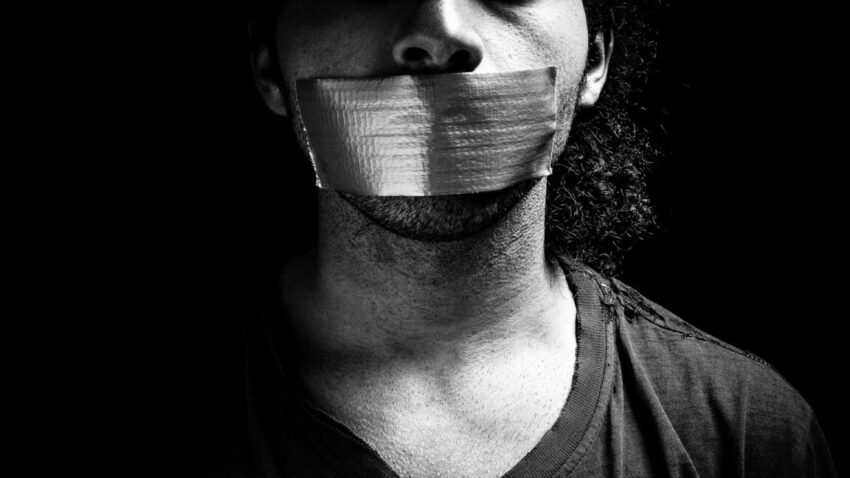
the science of how and when we Recent research sheds light on the intricate dynamics of self-censorship, particularly in the context of political speech and the influence of technology.
the science of how and when we
Understanding Self-Censorship in Democratic Societies
Freedom of speech is widely regarded as a cornerstone of democratic societies, enabling individuals to express their thoughts and opinions without fear of retribution. However, this fundamental right is often under threat from authoritarian regimes that seek to suppress dissent. The act of self-censorship emerges when individuals choose to withhold their opinions or refrain from speaking out due to the perceived risk of punishment or backlash from authorities. This phenomenon raises critical questions about the balance between the desire to express oneself and the instinct for self-preservation.
The Role of Authoritarianism
Authoritarian governments frequently employ various tactics to stifle free expression, creating an environment where dissent is not only discouraged but actively punished. The severity of the threat posed by these regimes can lead to widespread self-censorship among the populace. Individuals may choose silence over speaking out, fearing repercussions such as imprisonment, social ostracism, or even violence. This chilling effect can significantly diminish public discourse, stifling the exchange of ideas that is vital for a healthy democracy.
The Impact of Social Media
In recent years, social media has transformed the landscape of communication, complicating the dynamics of free speech and self-censorship. Platforms like Twitter, Facebook, and Instagram have blurred the lines between public and private speech, allowing individuals to share their thoughts with a global audience. However, this increased visibility comes with its own set of challenges. Users may feel pressured to conform to prevailing opinions or face backlash from their peers, leading to self-censorship even in seemingly safe online spaces.
Technological Tools and Self-Censorship
New technologies have further complicated the issue of self-censorship. Tools such as facial recognition and algorithmic moderation have given authoritarian regimes powerful means to monitor and control public discourse. These technologies can identify and target individuals who express dissenting opinions, creating an atmosphere of fear that discourages open dialogue.
Facial Recognition Technology
Facial recognition technology has been increasingly adopted by governments worldwide as a means of surveillance. By tracking individuals in public spaces, authorities can identify and target those who engage in protests or express dissenting views. This capability raises significant ethical concerns, as it can lead to a chilling effect on free speech. People may choose to self-censor their opinions or avoid public demonstrations altogether, fearing that their identities will be exposed and that they will face repercussions.
Algorithmic Moderation
Algorithmic moderation on social media platforms has also contributed to the phenomenon of self-censorship. Platforms often employ algorithms to filter content, removing posts that violate community guidelines or local laws. While these measures are intended to create a safer online environment, they can also inadvertently suppress legitimate expressions of dissent. Users may become wary of sharing their opinions, fearing that their posts could be flagged or removed, leading them to self-censor in order to avoid potential penalties.
Research Insights on Self-Censorship
To better understand the dynamics of self-censorship, researchers conducted a study published in the Proceedings of the National Academy of Sciences. The authors, who have previously collaborated on a model of political polarization, sought to explore how individuals navigate the tension between their desire to speak out and their fear of punishment.
Methodology of the Study
The researchers employed a combination of theoretical modeling and empirical analysis to investigate the factors influencing self-censorship. They examined various scenarios in which individuals must weigh the potential benefits of speaking out against the risks of facing backlash. The study aimed to identify the conditions under which individuals are more likely to self-censor and the implications of these decisions for public discourse.
Key Findings
One of the key findings of the study was that the severity of the perceived threat significantly influences the likelihood of self-censorship. When individuals believe that the consequences of speaking out could be severe, they are more likely to choose silence. Conversely, in environments where the perceived threat is lower, individuals may feel emboldened to express their opinions openly.
Additionally, the researchers found that social media dynamics play a crucial role in shaping self-censorship behaviors. The study highlighted how the presence of supportive online communities can encourage individuals to speak out, while hostile environments can lead to increased self-censorship. This finding underscores the importance of fostering inclusive and supportive spaces for dialogue, particularly in online forums.
Broader Implications of Self-Censorship
The implications of self-censorship extend beyond individual experiences; they can significantly impact societal discourse and democratic processes. When large segments of the population choose to remain silent, critical issues may go unaddressed, and the diversity of perspectives necessary for informed decision-making is diminished.
The Erosion of Public Discourse
Self-censorship can lead to an erosion of public discourse, as individuals may refrain from discussing controversial topics or expressing dissenting opinions. This silence can create an illusion of consensus, masking underlying tensions and disagreements within society. As a result, important conversations about governance, policy, and social justice may be stifled, hindering progress and reform.
Reactions from Stakeholders
Stakeholders across various sectors have expressed concern about the implications of self-censorship for democratic societies. Activists, scholars, and policymakers have called for greater awareness of the factors contributing to self-censorship and the need for protective measures to safeguard free expression.
Activists argue that fostering environments where individuals feel safe to express their opinions is essential for promoting social change. They advocate for policies that protect whistleblowers and encourage open dialogue, particularly in contexts where dissent is met with hostility.
Academics have emphasized the importance of understanding the psychological and social dynamics of self-censorship. By studying the factors that influence individuals’ decisions to speak out or remain silent, researchers can inform strategies to combat self-censorship and promote a more vibrant public discourse.
Conclusion
The interplay between freedom of speech, self-censorship, and technological advancements presents a complex challenge for democratic societies. As authoritarian regimes continue to employ sophisticated tools to suppress dissent, it is crucial to understand the factors that drive individuals to self-censor. The recent research sheds light on these dynamics, highlighting the importance of fostering supportive environments for open dialogue and protecting the fundamental right to free expression. Only by addressing the root causes of self-censorship can societies hope to cultivate a robust democratic discourse that reflects the diverse voices of their citizens.
Source: Original report
Was this helpful?
Last Modified: January 2, 2026 at 9:37 am
7 views