the mui board will support mmwave sleep The Mui Board is set to enhance its functionality with the introduction of mmWave sleep tracking and gesture control capabilities.
the mui board will support mmwave sleep
Overview of the Mui Board
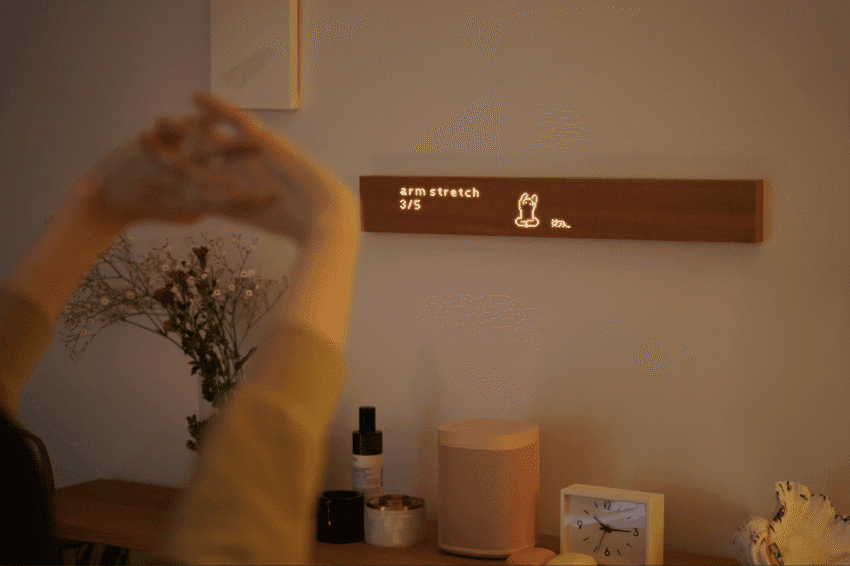
The Mui Board, developed by Mui Lab, stands out in the realm of smart home controllers due to its unique design and functionality. Unlike traditional smart devices that often feature bright screens and complex interfaces, the Mui Board presents a calming aesthetic. Crafted from wood, it offers a warm, natural appearance that seamlessly integrates into various home environments, particularly in spaces like bedrooms where tranquility is paramount.
This design philosophy aligns with the growing trend of creating smart home devices that do not disrupt the ambiance of a room. The Mui Board gently glows when interacted with, providing feedback without overwhelming users with bright lights or loud notifications. This subtlety makes it an attractive option for individuals looking to incorporate technology into their homes without sacrificing style or comfort.
Introduction of the Mui Calm Sleep Platform
With the launch of the Mui Calm Sleep Platform for the Mui Board Gen 2, Mui Lab is taking a significant step forward in the realm of sleep technology. This new platform will utilize millimeter-wave (mmWave) sensors to monitor sleep patterns, offering a non-invasive alternative to traditional sleep tracking methods. Users will no longer need to wear smartwatches, headbands, or rings to gather data about their sleep quality.
The integration of mmWave technology is particularly noteworthy. These sensors operate using high-frequency radio waves, which can penetrate materials like bedding and clothing. This allows for accurate monitoring of a person’s sleep state without physical contact. The implications of this technology are profound, as it opens up new avenues for understanding sleep without the discomfort often associated with wearable devices.
How mmWave Technology Works
Millimeter-wave technology has been around for some time, primarily used in telecommunications and radar systems. However, its application in sleep tracking is relatively novel. The technology works by emitting radio waves and measuring the reflections that bounce back. This data can provide insights into various physiological parameters, including heart rate, breathing patterns, and even movement during sleep.
One of the key advantages of mmWave sensors is their ability to operate effectively in various environments. Unlike optical sensors, which can be affected by lighting conditions, mmWave sensors are less susceptible to external factors. This reliability is crucial for accurate sleep tracking, as it ensures that users receive consistent and actionable data regardless of their bedroom conditions.
Benefits of Non-Invasive Sleep Tracking
The shift towards non-invasive sleep tracking represents a significant advancement in health technology. Traditional methods of monitoring sleep often require users to wear devices that can be uncomfortable or cumbersome. Many people find it difficult to sleep while wearing a smartwatch or headband, which can lead to inaccurate data and frustration.
By utilizing mmWave sensors, the Mui Board offers a solution that prioritizes user comfort. Individuals can enjoy a restful night’s sleep without the distraction of wearable technology. This non-intrusive approach not only enhances the user experience but also encourages more people to engage with sleep tracking, potentially leading to better health outcomes.
Gesture Control Functionality
In addition to sleep tracking, the Mui Board will also feature gesture control capabilities. This functionality allows users to interact with the device through simple hand movements, eliminating the need for physical buttons or touchscreens. For instance, a user might wave their hand to adjust the brightness of the glow or to activate specific features of the Mui Board.
Gesture control aligns with the broader trend of creating intuitive interfaces that enhance user interaction with technology. As smart home devices become more prevalent, the demand for seamless and user-friendly controls is increasing. Gesture recognition technology provides a natural way for users to engage with their devices, making the experience more fluid and enjoyable.
Implications for Sleep Health
The integration of sleep tracking and gesture control into the Mui Board has significant implications for sleep health. Sleep is a critical component of overall well-being, and understanding sleep patterns can lead to improved health outcomes. With the ability to monitor sleep without invasive devices, users can gain valuable insights into their sleep quality and make informed decisions about their health.
Research has shown that poor sleep can have a range of negative effects, including decreased cognitive function, mood disturbances, and increased risk of chronic conditions. By providing users with the tools to monitor and improve their sleep, the Mui Board could play a role in promoting healthier lifestyles. This proactive approach to health management is becoming increasingly important in today’s fast-paced world.
Stakeholder Reactions
The announcement of the Mui Calm Sleep Platform has garnered attention from various stakeholders, including health professionals, technology enthusiasts, and consumers. Health experts have expressed optimism about the potential benefits of non-invasive sleep tracking. Many believe that the ability to monitor sleep patterns without the discomfort of wearable devices could encourage more individuals to prioritize their sleep health.
Technology enthusiasts are also excited about the innovative use of mmWave technology in a consumer product. The combination of advanced sensors and a user-friendly interface positions the Mui Board as a leader in the smart home market. As consumers increasingly seek out devices that enhance their quality of life, the Mui Board’s unique features may resonate with a broad audience.
Market Context and Competition
The smart home market is rapidly evolving, with a growing number of devices aimed at improving health and wellness. Companies like Apple, Fitbit, and various startups have introduced their own sleep tracking solutions, often relying on wearables. The Mui Board’s non-invasive approach sets it apart from these competitors, offering a unique value proposition that may appeal to consumers who are hesitant to adopt wearable technology.
As the market continues to expand, it will be crucial for Mui Lab to differentiate itself from competitors. The combination of aesthetic design, advanced technology, and user-friendly features positions the Mui Board as a compelling option for consumers seeking smart home solutions that prioritize comfort and health.
Future Developments
Looking ahead, the potential for further developments in the Mui Board’s capabilities is promising. As technology continues to advance, there may be opportunities to integrate additional features, such as personalized sleep recommendations based on collected data or compatibility with other smart home devices. Such enhancements could further solidify the Mui Board’s position in the market.
Moreover, as awareness of sleep health continues to grow, the demand for innovative solutions is likely to increase. Mui Lab’s commitment to creating a product that is both functional and aesthetically pleasing could resonate with consumers seeking to enhance their living spaces while also prioritizing their well-being.
Conclusion
The Mui Board’s integration of mmWave sleep tracking and gesture control represents a significant advancement in the smart home landscape. By offering a non-invasive solution for monitoring sleep, Mui Lab is addressing a critical need in health technology. The combination of advanced sensors and intuitive controls positions the Mui Board as a unique player in the market, appealing to consumers who value both functionality and design.
As the smart home industry continues to evolve, the Mui Board may pave the way for future innovations that prioritize user comfort and health. The potential for further developments and enhancements makes this product one to watch in the coming years.
Source: Original report
Was this helpful?
Last Modified: January 5, 2026 at 5:36 am
4 views