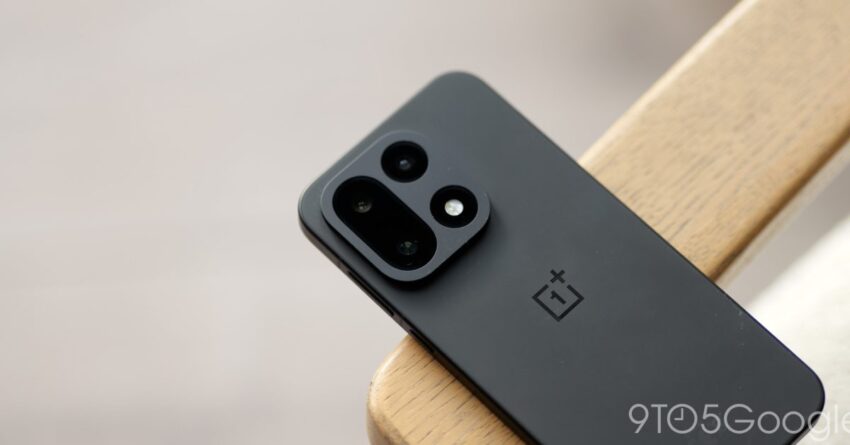
the loss of oneplus in the us OnePlus is reportedly on the verge of significantly scaling back its global operations, raising questions about its future in the competitive smartphone market, particularly in the United States.
the loss of oneplus in the us
OnePlus: A Brief Overview
Founded in December 2013, OnePlus quickly gained a reputation for delivering high-quality smartphones at competitive prices. The company’s motto, “Never Settle,” resonated with tech enthusiasts who sought premium features without the premium price tag. OnePlus initially entered the market with its flagship model, the OnePlus One, which was well-received for its performance and affordability. Over the years, the brand expanded its product lineup, introducing various models that catered to different segments of the market.
OnePlus’s approach to marketing, which often included limited invites for purchasing its devices, created a sense of exclusivity and buzz around its products. This strategy helped the brand build a loyal customer base, particularly among tech-savvy users who appreciated the company’s focus on performance and user experience.
The Rise and Fall of OnePlus in the US Market
OnePlus made its debut in the U.S. market in 2014, quickly establishing itself as a challenger to established brands like Samsung and Apple. The company’s early success was driven by its flagship models, which offered high-end specifications at a fraction of the cost of competitors. However, as the smartphone market evolved, so did consumer expectations.
Market Dynamics
The U.S. smartphone market is characterized by intense competition, with major players like Apple, Samsung, and Google dominating sales. These companies have substantial marketing budgets, extensive distribution networks, and strong brand loyalty. OnePlus, while initially successful, struggled to maintain its foothold as the market became saturated with options.
In recent years, OnePlus has attempted to differentiate itself by introducing various models, including the Nord series, which aimed to capture the mid-range segment. However, the brand’s efforts to expand its product lineup have often been met with mixed reviews. While some models received praise for their value, others failed to resonate with consumers, leading to a decline in sales.
Challenges Faced by OnePlus
Several factors have contributed to OnePlus’s struggles in the U.S. market:
- Increased Competition: The smartphone market is more crowded than ever, with numerous brands offering compelling alternatives. Companies like Xiaomi and Realme have emerged as formidable competitors, often providing similar specifications at lower prices.
- Brand Identity Crisis: As OnePlus expanded its product lineup, it faced challenges in maintaining a clear brand identity. The shift from a niche player to a broader market competitor diluted its unique selling proposition.
- Supply Chain Issues: The global pandemic disrupted supply chains, affecting production and distribution. OnePlus, like many other manufacturers, faced delays and shortages that impacted its ability to meet consumer demand.
- Market Saturation: The U.S. smartphone market has reached a point of saturation, making it increasingly difficult for new entrants to gain traction. Consumers are less likely to switch brands, leading to a decline in new customer acquisition.
Implications of OnePlus’s Departure
While the potential exit of OnePlus from the U.S. market may seem significant, its overall impact may be limited for several reasons.
Consumer Choices
The smartphone market is filled with alternatives, and consumers have a plethora of options to choose from. Major brands like Apple and Samsung continue to dominate, but there are also numerous emerging players offering competitive devices. The loss of OnePlus may not create a significant void, as consumers can easily turn to other brands that provide similar features and price points.
Brand Loyalty
OnePlus cultivated a dedicated following, particularly among tech enthusiasts and early adopters. However, as the brand’s identity became less distinct, many loyal customers began to explore alternatives. The shift in consumer loyalty may lessen the impact of OnePlus’s departure, as users are likely to gravitate toward brands that align more closely with their preferences.
Market Adaptation
The smartphone market is dynamic and constantly evolving. Companies are quick to adapt to changing consumer preferences and market trends. The exit of OnePlus may create opportunities for other brands to fill the gap, leading to increased competition and innovation. This could ultimately benefit consumers, as they may see improved offerings from existing players.
Stakeholder Reactions
The news of OnePlus’s potential exit has elicited a range of reactions from stakeholders, including consumers, industry analysts, and competitors.
Consumer Sentiment
For many OnePlus enthusiasts, the brand’s departure from the U.S. market is disappointing. Longtime fans have appreciated OnePlus’s commitment to delivering high-quality devices at reasonable prices. However, some consumers have already started to explore alternatives, indicating a willingness to adapt to the changing landscape.
Industry Analysts
Industry analysts have expressed mixed feelings about OnePlus’s potential exit. Some view it as a natural consequence of the competitive landscape, while others believe it highlights the challenges faced by brands that struggle to differentiate themselves. Analysts emphasize the importance of innovation and brand identity in a saturated market.
Competitors’ Perspectives
Competitors may view OnePlus’s struggles as an opportunity to capture market share. Brands like Google and Xiaomi could benefit from the vacuum left by OnePlus, particularly if they can offer compelling alternatives to former OnePlus customers. The competitive landscape will likely shift as companies adapt to the changing dynamics.
Looking Ahead: The Future of OnePlus
As OnePlus contemplates its future, several factors will play a crucial role in determining its next steps. The company’s ability to innovate, adapt to market trends, and maintain a clear brand identity will be essential in navigating the challenges ahead.
Innovation and Product Development
To remain relevant, OnePlus must prioritize innovation in its product development. This includes not only hardware improvements but also software enhancements that enhance the user experience. The brand’s commitment to delivering timely software updates has been a selling point, and maintaining this focus will be crucial in retaining customer loyalty.
Market Positioning
OnePlus needs to reassess its market positioning to regain its competitive edge. This may involve refining its product lineup, focusing on core strengths, and clearly communicating its value proposition to consumers. A well-defined brand identity will be essential in attracting and retaining customers in a crowded market.
Global Strategy
While the U.S. market is significant, OnePlus must also consider its global strategy. Expanding its presence in emerging markets, where smartphone adoption is on the rise, could provide new growth opportunities. Adapting to regional preferences and tailoring products to meet local demands will be key in this endeavor.
Conclusion
The potential exit of OnePlus from the U.S. market raises important questions about the brand’s future and the broader smartphone landscape. While its departure may sting for dedicated fans, the overall impact may be limited due to the abundance of alternatives available to consumers. As the smartphone market continues to evolve, OnePlus must navigate its challenges with a focus on innovation, brand identity, and global strategy to remain competitive in an ever-changing environment.
Source: Original report
Was this helpful?
Last Modified: March 29, 2026 at 9:41 pm
2 views