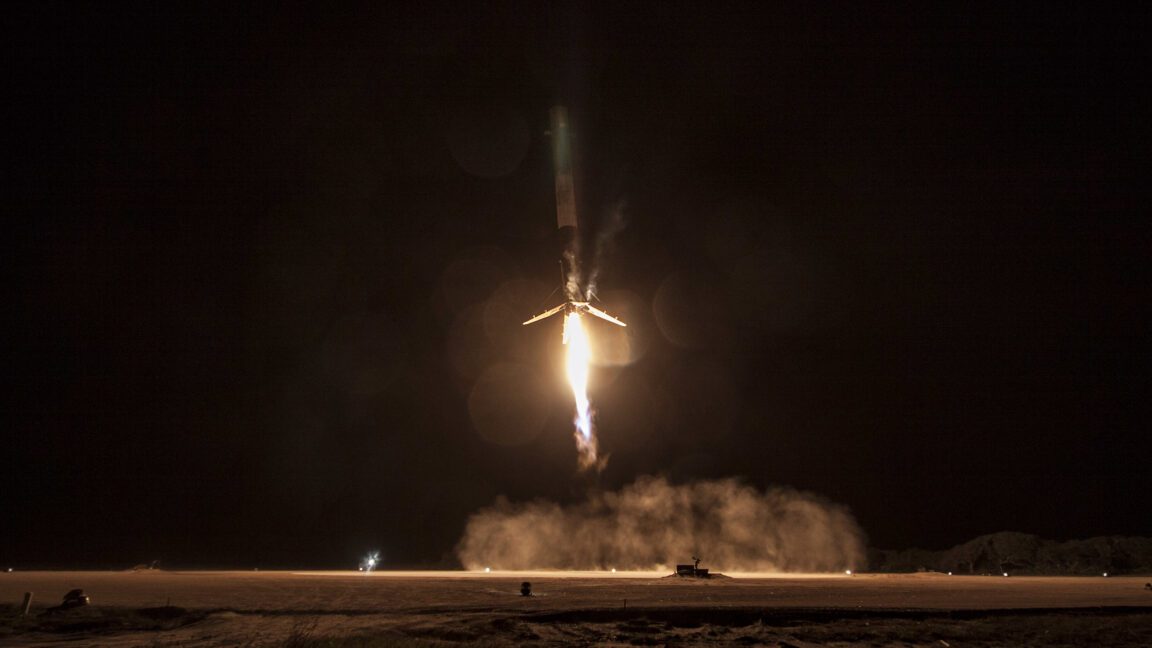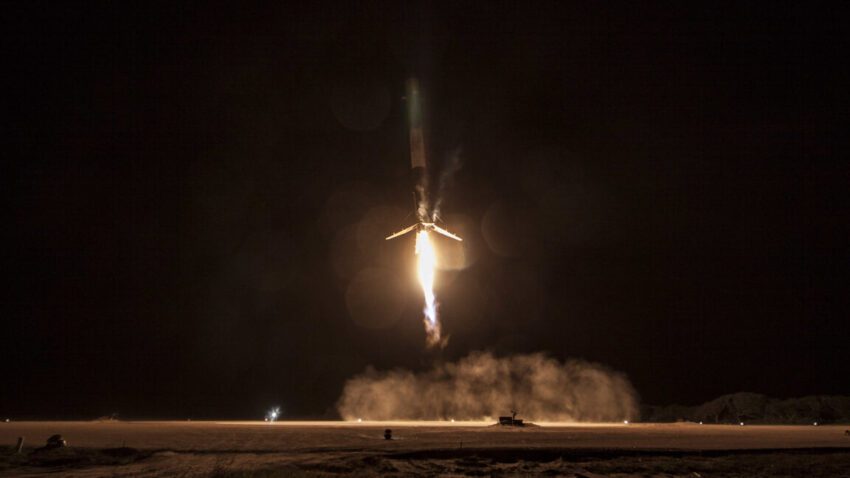
the inside story of spacex s historic On December 21, 2015, SpaceX achieved a groundbreaking milestone by successfully landing the first stage of its Falcon 9 rocket, marking a pivotal moment in the history of space exploration.
the inside story of spacex s historic
Background: The Road to Recovery
The journey to this historic landing was fraught with challenges, beginning with a significant setback just months prior. In June 2015, SpaceX faced a devastating incident when a Falcon 9 rocket disintegrated during the CRS-7 mission, which was intended to deliver cargo to the International Space Station (ISS) for NASA. This was the first time a Falcon 9 had been lost in flight, and the repercussions were felt throughout the company.
David Giger, who had joined SpaceX directly after completing his graduate studies, was managing the Dragon program at the time. He had risen through the ranks quickly and was now reporting directly to CEO Elon Musk. Giger was present in mission control in Hawthorne, California, during the CRS-7 launch. As the rocket broke apart over the Atlantic Ocean, he shouted into his headset, “Dragon is alive!” This statement underscored the resilience and determination of the team, even in the face of adversity.
The Impact of CRS-7
The loss of the CRS-7 mission had immediate and far-reaching implications. The Dragon spacecraft, which was designed to transport cargo to the ISS, was still intact, but the failure of the Falcon 9 rocket raised questions about the reliability of SpaceX’s launch vehicles. Many of the engineers who had worked on the early flights of Dragon had either moved on to other projects or left the company altogether, leaving a younger team to grapple with the aftermath of the failure.
In the wake of the CRS-7 disaster, SpaceX undertook a thorough investigation to determine the cause of the failure. The company’s culture of transparency and accountability played a crucial role in addressing the issues that led to the incident. Engineers worked tirelessly to analyze data, conduct tests, and implement changes to ensure that future missions would not suffer the same fate.
Preparing for the Future
As the team regrouped after the CRS-7 failure, they focused on improving the Falcon 9 rocket and the Dragon spacecraft. The company had already been working on an upgraded version of the Falcon 9, which included enhancements aimed at increasing reliability and performance. This upgraded rocket was set to launch the Orbcomm-2 mission in December 2015.
In the months leading up to the launch, the team conducted extensive testing and simulations to prepare for the mission. The goal was not only to deliver the payload to orbit but also to successfully land the first stage of the rocket, a feat that had never been accomplished before. SpaceX had been developing its landing technology for years, experimenting with various methods to ensure that the rocket could return safely to Earth.
The Launch of Orbcomm-2
On December 21, 2015, the upgraded Falcon 9 rocket lifted off from Cape Canaveral, Florida, carrying 11 satellites for Orbcomm. The launch was a critical test for SpaceX, as it would determine whether the improvements made to the rocket would yield the desired results. As the rocket ascended into the sky, the mission control team monitored every aspect of the launch closely.
Approximately two and a half minutes into the flight, the first stage of the Falcon 9 separated from the second stage, marking a crucial moment in the mission. The first stage then began its descent back to Earth, where it would attempt to land on a drone ship stationed in the Atlantic Ocean. This was a complex maneuver that required precise calculations and real-time adjustments to ensure a successful landing.
A Historic Landing
As the first stage of the Falcon 9 descended, the tension in mission control was palpable. Engineers and support staff watched intently as the rocket approached the drone ship. The landing sequence involved a series of critical steps, including re-igniting the rocket’s engines to slow its descent and guide it to the landing platform.
Finally, after a tense few minutes, the Falcon 9 successfully landed on the drone ship, marking the first time in history that a rocket had returned to Earth and landed vertically after delivering its payload to orbit. The moment was met with cheers and applause from the team in mission control, as well as from SpaceX employees watching the launch from various locations.
The Significance of the Achievement
This successful landing was more than just a technical achievement; it represented a paradigm shift in the aerospace industry. The ability to recover and reuse rocket stages has the potential to significantly reduce the cost of space travel, making it more accessible for a wider range of missions. This innovation aligns with SpaceX’s broader vision of making space travel more sustainable and affordable.
In the years following the Orbcomm-2 mission, SpaceX continued to refine its landing technology, achieving numerous successful landings and further solidifying its position as a leader in the aerospace sector. The implications of this achievement extend beyond SpaceX; it has inspired other companies and organizations to explore reusable rocket technology, potentially revolutionizing the industry as a whole.
Reactions from Stakeholders
The successful landing of the Falcon 9 rocket garnered widespread attention and praise from various stakeholders. Elon Musk, the CEO of SpaceX, expressed his excitement during a post-launch press conference, stating that the achievement was a significant step toward making space travel more sustainable. He emphasized the importance of reusability in reducing costs and increasing the frequency of launches.
Industry experts and analysts also weighed in on the significance of the landing. Many noted that SpaceX’s success could lead to increased competition in the aerospace sector, as other companies would be compelled to innovate in order to keep pace. The successful landing demonstrated that reusable rocket technology was not just a theoretical concept but a practical reality.
Looking Ahead
As SpaceX celebrated this historic achievement, the company was already looking ahead to future missions. The successful landing of the Falcon 9 first stage opened the door for more ambitious projects, including crewed missions to the ISS and plans for interplanetary travel. The technology developed for the Falcon 9 would also play a crucial role in the development of the Starship spacecraft, which aims to carry humans to Mars and beyond.
In the years since the Orbcomm-2 mission, SpaceX has continued to push the boundaries of what is possible in space exploration. The company has achieved numerous milestones, including the first crewed flight of the Crew Dragon spacecraft and the successful launch of the Starship prototype. Each of these achievements builds upon the foundation laid by the successful landing of the Falcon 9 rocket.
Conclusion
The successful landing of the Falcon 9 rocket on December 21, 2015, was a watershed moment in the history of space exploration. It not only demonstrated the feasibility of reusable rocket technology but also set the stage for a new era of space travel. As SpaceX continues to innovate and push the boundaries of what is possible, the legacy of that historic landing will undoubtedly influence the future of the aerospace industry for years to come.
Source: Original report
Was this helpful?
Last Modified: December 18, 2025 at 9:38 pm
3 views