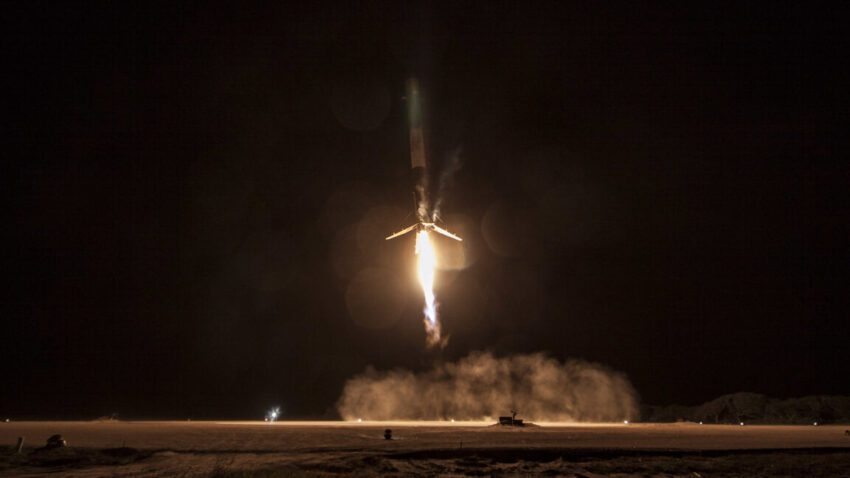
the inside story of spacex s historic On December 21, 2015, SpaceX achieved a groundbreaking milestone by successfully landing the first stage of its Falcon 9 rocket, a feat that would redefine the future of space launches.
the inside story of spacex s historic
Background: The Road to Recovery
The journey to this historic landing was fraught with challenges, beginning with a significant setback in June 2015. On June 28, SpaceX’s Falcon 9 rocket, tasked with delivering supplies to the International Space Station (ISS) as part of NASA’s Commercial Resupply Services program, disintegrated shortly after launch. This mission, known as CRS-7, marked the first loss of a Falcon 9 in flight, sending shockwaves through the company and the broader aerospace community.
David Giger, who had joined SpaceX directly after completing his graduate studies, was managing the Dragon program at the time. He was present in mission control during the CRS-7 launch, where he witnessed the catastrophic failure unfold. As debris rained down over the Atlantic Ocean, Giger’s immediate reaction was to reassure his team. “Dragon is alive!” he shouted into his headset, emphasizing the resilience of the spacecraft despite the rocket’s failure.
The Impact of CRS-7
The loss of the CRS-7 mission was a significant blow to SpaceX, which had built its reputation on reliability and innovation. The failure not only delayed critical supplies to the ISS but also raised questions about the future of the Falcon 9 program. Many of the engineers who had worked on the early Dragon missions had either moved on to different roles within SpaceX or left the company altogether, leaving a younger team to grapple with the aftermath of the disaster.
In the wake of the CRS-7 failure, the company undertook a thorough investigation to identify the root causes. This process involved analyzing telemetry data, reviewing engineering designs, and implementing corrective measures to ensure that such a failure would not happen again. The investigation revealed that a faulty strut had caused a breach in the rocket’s second stage, leading to the disintegration. Armed with this knowledge, SpaceX set out to make the necessary modifications to the Falcon 9 design.
Preparing for the Orbcomm-2 Mission
As SpaceX moved forward, the company focused on its next mission: Orbcomm-2, scheduled for launch on December 21, 2015. This mission aimed to deploy a series of satellites for the communications company Orbcomm, but it also served as a critical test for SpaceX’s updated Falcon 9 rocket. The team was determined to demonstrate that they had learned from the CRS-7 failure and could successfully land the rocket’s first stage.
In the months leading up to the launch, the engineering team worked tirelessly to implement the changes identified during the CRS-7 investigation. These modifications included enhancements to the rocket’s structure and systems, as well as improvements to the software that controlled the rocket’s flight. The team was acutely aware that the success of the Orbcomm-2 mission would not only restore confidence in the Falcon 9 but also pave the way for future missions, including crewed flights.
Launch Day: A New Era Begins
On the evening of December 21, 2015, the Falcon 9 rocket lifted off from Cape Canaveral, Florida, carrying the Orbcomm satellites into orbit. The launch proceeded smoothly, and as the rocket reached its designated altitude, the first stage separated from the second stage. This marked the moment of truth for SpaceX, as the team prepared for the unprecedented challenge of landing the first stage back on Earth.
As the first stage began its descent, the ground control team closely monitored the rocket’s trajectory. The landing was to take place on a drone ship stationed in the Atlantic Ocean, a strategy that allowed SpaceX to recover the rocket even when launching from coastal sites. The team had practiced this maneuver extensively, but the stakes were higher than ever. A successful landing would not only demonstrate the feasibility of reusing rockets but also represent a significant leap forward in reducing the cost of space access.
The Historic Landing
As the Falcon 9’s first stage approached the drone ship, the tension in mission control was palpable. Engineers and executives alike held their breath as the rocket executed a series of precise maneuvers to align itself with the landing platform. The rocket’s grid fins deployed, allowing it to steer during descent, and the onboard engines reignited to slow its fall.
Finally, at 8:29 PM EST, the Falcon 9’s first stage touched down on the drone ship, marking the first successful recovery of a rocket’s first stage after an orbital launch. Cheers erupted in mission control as the team celebrated this monumental achievement. The successful landing not only validated SpaceX’s engineering capabilities but also set a new standard for the aerospace industry.
Reactions and Implications
The successful landing of the Falcon 9’s first stage had far-reaching implications for the space industry. It demonstrated that reusable rockets were not just a theoretical concept but a practical reality. This breakthrough promised to significantly reduce the cost of access to space, making it more feasible for commercial ventures, scientific missions, and even crewed spaceflights.
Elon Musk, SpaceX’s CEO, expressed his excitement following the landing, stating, “This is the first time in history that an orbital class rocket has been successfully recovered after being used.” His vision for a future where rockets could be reused multiple times was now within reach, paving the way for a new era of space exploration.
Industry experts and stakeholders reacted positively to the news, recognizing the potential for SpaceX’s success to inspire other companies to pursue similar technologies. The aerospace community began to shift its focus toward reusability, with other companies exploring their own options for recovering rocket stages. This shift could lead to a more competitive landscape in the space industry, ultimately benefiting consumers and researchers alike.
Looking Forward: The Future of SpaceX and Reusability
In the years following the historic landing, SpaceX continued to refine its reusability technology. The company successfully landed and reused multiple Falcon 9 first stages, further validating its approach and solidifying its position as a leader in the aerospace industry. The success of the Falcon 9 also laid the groundwork for the development of the Starship program, which aims to create a fully reusable spacecraft capable of carrying humans to Mars and beyond.
As SpaceX celebrates the tenth anniversary of the Falcon 9’s first successful landing, the implications of that achievement continue to resonate throughout the industry. The successful recovery of rocket stages has not only changed the economics of space launches but has also opened up new possibilities for exploration and commercial ventures.
Conclusion
The story of SpaceX’s historic rocket landing on December 21, 2015, is one of resilience, innovation, and vision. From the challenges faced after the CRS-7 failure to the triumphant landing of the Falcon 9, this journey exemplifies the spirit of exploration that drives the aerospace industry forward. As we look to the future, the lessons learned from this milestone will undoubtedly shape the next generation of space exploration.
Source: Original report
Was this helpful?
Last Modified: December 18, 2025 at 9:40 pm
4 views