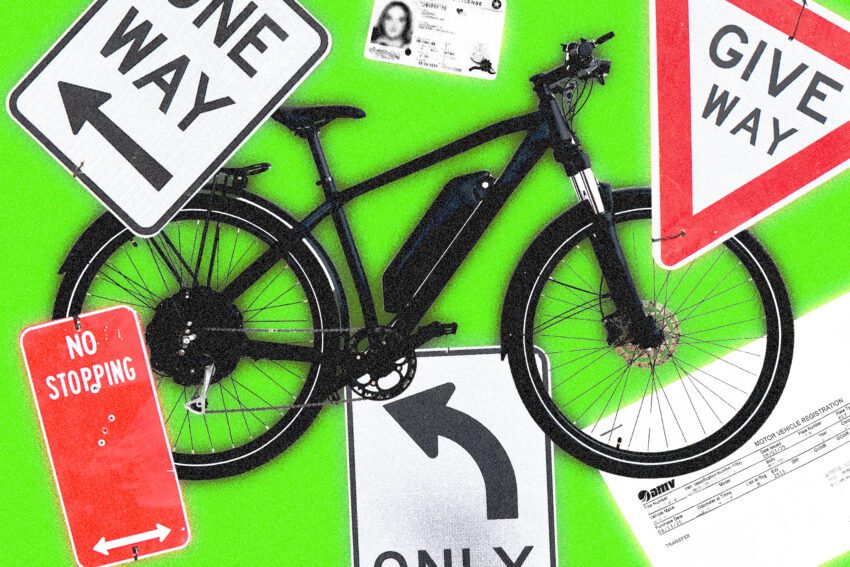
the great e-bike crackdown has begun New Jersey has initiated a significant crackdown on e-bike ownership, raising concerns among advocates and users alike about the implications of new legislation.
the great e-bike crackdown has begun
Background on E-Bikes
E-bikes, or electric bicycles, have surged in popularity over the past decade. They offer an eco-friendly alternative to traditional vehicles, providing an efficient mode of transportation that can help reduce traffic congestion and lower carbon emissions. With the ability to travel longer distances without the physical exertion required by standard bicycles, e-bikes have attracted a diverse user base, including commuters, recreational riders, and even delivery services.
The rise of e-bikes has not been without controversy. As their numbers have increased, so too have concerns about safety, particularly regarding younger riders. Reports of accidents involving e-bikes have prompted discussions about the need for regulation. Advocates argue that while safety is paramount, overly restrictive laws could stifle the growth of this burgeoning industry and limit access for those who rely on e-bikes for transportation.
The New Legislation
In a recent move, New Jersey’s lawmakers passed a bill imposing stringent regulations on e-bike ownership. The legislation aims to address safety concerns but has sparked outrage among e-bike enthusiasts and advocates who argue that the measures are excessive and counterproductive.
Key Provisions of the Bill
The new law includes several significant provisions that could impact e-bike users across the state:
- Age Restrictions: The legislation mandates that riders under a certain age must wear helmets, which could deter younger individuals from using e-bikes.
- Speed Limits: E-bikes will be subject to speed restrictions, limiting their maximum speed to ensure safer riding conditions.
- Licensing Requirements: The bill introduces licensing requirements for e-bike operators, which could complicate access for casual riders.
- Registration and Insurance: E-bike owners may be required to register their vehicles and obtain insurance, adding financial burdens to ownership.
Supporters of the bill argue that these measures are necessary to protect public safety, particularly in light of rising accident rates involving e-bikes. However, critics contend that the legislation could discourage people from using e-bikes altogether, undermining the environmental benefits they offer.
Public Reaction
The passage of the bill has elicited a strong response from various stakeholders, including e-bike users, advocacy groups, and local businesses. Many individuals have expressed frustration over the perceived overreach of the legislation, arguing that it fails to address the root causes of accidents and instead punishes responsible riders.
Advocacy Groups Speak Out
Advocacy organizations focused on cycling and sustainable transportation have been vocal in their opposition to the new regulations. They argue that instead of imposing restrictions, lawmakers should focus on improving infrastructure for cyclists, such as dedicated bike lanes and safer road conditions. These groups emphasize that education and awareness campaigns about safe riding practices could be more effective than punitive measures.
Local Businesses Weigh In
Local businesses that rely on e-bikes for deliveries, such as restaurants and courier services, have also expressed concern. The added costs of registration and insurance could impact their bottom line, potentially leading to increased prices for consumers. Business owners argue that e-bikes are essential for their operations, allowing them to serve customers efficiently while reducing their carbon footprint.
Implications for the E-Bike Movement
The implications of New Jersey’s e-bike crackdown extend beyond the state’s borders. As one of the first states to implement such comprehensive regulations, New Jersey could set a precedent for other states considering similar measures. This could lead to a patchwork of laws across the country, complicating e-bike ownership and use for travelers and commuters.
Potential Impact on E-Bike Sales
The new regulations could also have a significant impact on e-bike sales. As potential buyers weigh the costs and restrictions associated with ownership, some may choose to forgo purchasing an e-bike altogether. This could hinder the growth of the e-bike market, which has been experiencing rapid expansion in recent years.
Future of E-Bikes in New Jersey
Looking ahead, the future of e-bikes in New Jersey remains uncertain. While the state government has expressed a commitment to ensuring public safety, advocates argue that a more balanced approach is needed. This could involve engaging with stakeholders to develop regulations that prioritize safety without stifling the growth of the e-bike movement.
Conclusion
The recent legislation in New Jersey represents a pivotal moment for the e-bike community. As lawmakers grapple with safety concerns, it is crucial to strike a balance that protects riders while fostering an environment conducive to the growth of sustainable transportation options. The ongoing dialogue surrounding e-bike regulations will likely shape the future of this industry, influencing how cities across the country approach similar challenges.
As the e-bike movement continues to evolve, it will be essential for advocates, lawmakers, and the public to work together to create a framework that supports safe and responsible riding while promoting the benefits of e-bikes as a viable transportation option.
Source: Original report
Was this helpful?
Last Modified: January 25, 2026 at 9:40 pm
74 views