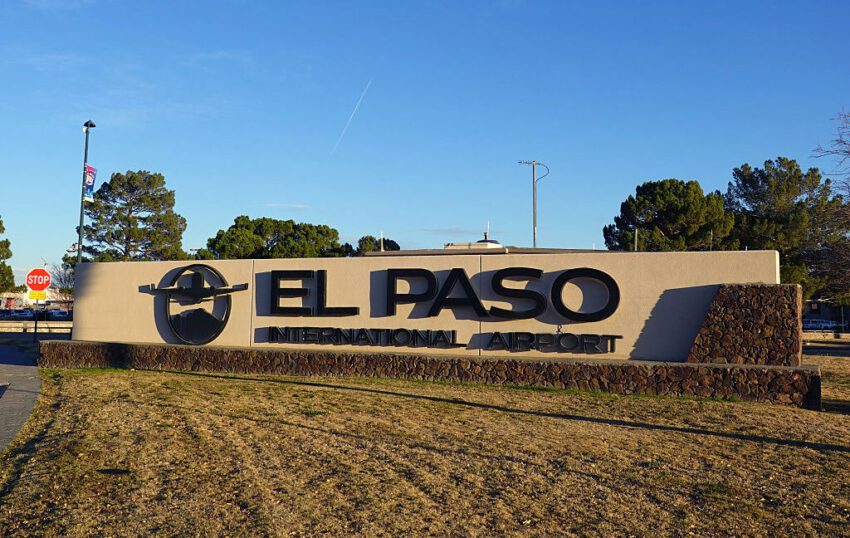
the feds closed air space around el The Federal Aviation Administration (FAA) temporarily closed airspace around El Paso International Airport due to concerns regarding drone activity linked to cartel operations.
the feds closed air space around el
Details of the Airspace Closure
On Tuesday night, at approximately 11:30 PM local time (1:30 AM EST Wednesday), the FAA issued an abrupt notice halting all flights into and out of El Paso International Airport. This decision was accompanied by the imposition of strict airspace restrictions extending in a radius of 10 nautical miles from the airport. The FAA’s announcement highlighted the seriousness of the situation, stating that violators of the airspace restrictions could face being shot down by federal authorities.
The closure raised immediate concerns among travelers and airlines, as El Paso International Airport serves as a crucial hub for both domestic and international flights. The airport is not only a key point for commercial aviation but also a significant gateway for cargo and military operations, given its proximity to the U.S.-Mexico border.
Rapid Reversal of Restrictions
In a surprising turn of events, less than 10 hours after the initial announcement, the FAA lifted the restrictions without providing any further explanation. The agency communicated via social media that “the temporary closure of airspace over El Paso has been lifted” and assured the public that “there is no threat to commercial aviation.” Consequently, all flights were allowed to resume as normal, alleviating the immediate concerns of travelers and airlines alike.
This swift reversal has left many questioning the rationale behind the initial closure. The lack of transparency from the FAA regarding the reasons for the restrictions has fueled speculation and concern among stakeholders, including airline operators, airport officials, and passengers.
Context of Drone Activity and Cartel Involvement
The mention of “cartel” drones in the FAA’s initial announcement hints at a broader issue of drone activity in the region, particularly concerning drug trafficking and organized crime. Drones have increasingly been used by various criminal organizations to transport drugs, surveillance, and even conduct reconnaissance on law enforcement activities.
In recent years, there have been numerous reports of drones being utilized by cartels to smuggle narcotics across the U.S.-Mexico border. These unmanned aerial vehicles (UAVs) can carry significant payloads and operate at altitudes that allow them to evade detection by traditional law enforcement methods. The use of drones by criminal organizations poses a unique challenge for authorities, as they must balance the need for public safety with the rights of legitimate air traffic.
Implications for Aviation Security
The FAA’s decision to close airspace in response to potential cartel drone activity raises important questions about aviation security and the measures that need to be taken to address emerging threats. As drone technology continues to evolve, regulatory bodies and law enforcement agencies must adapt to the changing landscape of aerial threats.
Experts in aviation security have noted that the use of drones by criminal organizations could lead to more stringent regulations and enforcement measures in the future. This could include increased surveillance of airspace, the development of counter-drone technologies, and enhanced coordination between federal agencies and local law enforcement.
Stakeholder Reactions
The abrupt closure of airspace and the subsequent lifting of restrictions elicited a range of reactions from various stakeholders. Airline operators expressed relief at the quick resolution, as prolonged restrictions could have led to significant operational disruptions and financial losses. Passengers, on the other hand, were left confused and concerned about the safety of their travel plans.
Airport officials in El Paso also voiced their concerns regarding the lack of communication from the FAA. The sudden nature of the airspace closure and the absence of detailed explanations left many in the local community questioning the safety of their airspace and the effectiveness of federal oversight.
Future Considerations
As the situation surrounding drone activity in the El Paso region continues to evolve, it is essential for federal agencies to establish clear communication protocols and guidelines for addressing similar incidents in the future. Transparency is crucial in maintaining public trust and ensuring that stakeholders are informed about potential threats to aviation safety.
Moreover, the FAA and other relevant authorities must consider the broader implications of drone technology on airspace management. As drones become more prevalent in both commercial and illicit activities, regulatory frameworks will need to be updated to address the unique challenges posed by these unmanned vehicles.
Technological Solutions
In light of the increasing use of drones by criminal organizations, there is a growing need for technological solutions to mitigate risks associated with unauthorized drone activity. Various counter-drone technologies are being developed and deployed by law enforcement agencies and private companies to detect, track, and neutralize rogue drones.
These technologies include radar systems, radio frequency jamming devices, and even drone interception systems that can capture or disable unauthorized drones. As these solutions become more sophisticated, they may play a critical role in ensuring the safety and security of airspace, particularly in regions where drone activity is linked to criminal enterprises.
Collaboration Between Agencies
Addressing the challenges posed by cartel drones will require enhanced collaboration between federal, state, and local agencies. Effective communication and coordination are essential for developing comprehensive strategies to combat the use of drones in criminal activities.
Joint task forces that include representatives from the FAA, the Department of Homeland Security, and local law enforcement can facilitate information sharing and resource allocation. By working together, these agencies can develop a more unified approach to addressing the threats posed by drone activity in sensitive areas like El Paso.
Conclusion
The recent closure and subsequent reopening of airspace around El Paso International Airport highlight the complexities of managing aviation safety in an era where drone technology is increasingly being exploited by criminal organizations. While the FAA’s swift action may have been intended to protect public safety, the lack of transparency and communication raises important questions about the agency’s protocols and the broader implications for aviation security.
As stakeholders continue to navigate the challenges posed by drone activity, it is essential for federal agencies to prioritize collaboration, transparency, and the development of effective technological solutions to ensure the safety of airspace and the public.
Source: Original report
Was this helpful?
Last Modified: February 11, 2026 at 10:36 pm
5 views