
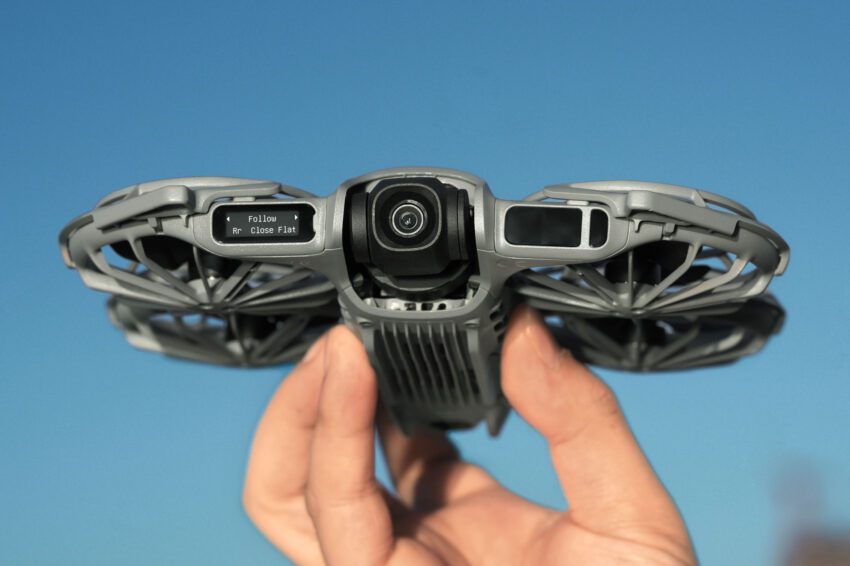
the fcc s foreign drone ban is The Federal Communications Commission (FCC) has enacted a ban on the importation of new drones manufactured in foreign countries, a move that significantly impacts the drone industry and raises national security concerns.
the fcc s foreign drone ban is
Overview of the Ban
On Monday, the FCC officially added drones to its Covered List, a designation that categorizes certain foreign-made drones and their components as communications equipment that poses “unacceptable risks to the national security of the United States and to the safety and security of U.S. persons.” This decision means that any new drones from foreign manufacturers, including popular brands such as DJI, will require recommendations from either the Department of Defense (DoD) or the Department of Homeland Security (DHS) before they can be imported into the U.S.
Background on the FCC’s Decision
The FCC’s decision is part of a broader effort to protect U.S. infrastructure and citizens from potential threats posed by foreign-made technology. In recent years, concerns have escalated regarding the security vulnerabilities associated with drones manufactured by companies based in countries perceived as adversaries, particularly China. The FCC’s action aligns with ongoing discussions in Congress and among various government agencies about the risks associated with foreign technology in critical sectors.
Implications for the Drone Industry
The ban has immediate implications for the drone market in the United States. DJI, a leading manufacturer of consumer and commercial drones, has been particularly affected by this ruling. The company has faced scrutiny over its ties to the Chinese government, leading to fears that its technology could be exploited for espionage or other malicious activities. Adam Welsh, DJI’s head of global policy, expressed disappointment with the FCC’s decision, stating, “While DJI was not singled out, no information has been provided to support the claims that our products pose a threat to national security.”
Beyond DJI, the ban could impact a range of other foreign drone manufacturers, potentially stifling competition in the U.S. market. The drone industry has seen rapid growth, with applications spanning from recreational use to commercial deliveries, agriculture, and surveillance. The FCC’s decision could lead to a significant reduction in the variety of drones available to consumers and businesses, limiting innovation and technological advancements in the sector.
Stakeholder Reactions
The response to the FCC’s ban has been mixed, reflecting the complex dynamics at play. On one hand, national security advocates welcome the move as a necessary step to safeguard U.S. interests. They argue that the risks associated with foreign-made drones justify the restrictions, especially in an era where cybersecurity threats are increasingly prevalent.
Support from National Security Advocates
Supporters of the ban, including various lawmakers and security experts, contend that foreign drones could be used for surveillance or data collection by hostile entities. The potential for these devices to be hacked or manipulated raises serious concerns about privacy and security. The FCC’s decision is seen as a proactive measure to mitigate these risks and ensure that U.S. airspace remains secure.
Concerns from Industry Leaders
Conversely, industry leaders and drone enthusiasts have expressed concerns about the implications of the ban for innovation and consumer choice. Many argue that the U.S. drone market has benefited from the competition provided by foreign manufacturers, which has driven down prices and improved technology. The restrictions could lead to a monopolization of the market by domestic manufacturers, potentially stifling innovation and limiting options for consumers.
Furthermore, some industry experts warn that the ban could push consumers towards unregulated markets, where safety and security standards may not be upheld. This could lead to an increase in the use of subpar or unsafe drones, ultimately undermining the very security the FCC aims to protect.
Legal and Regulatory Context
The FCC’s decision is not an isolated action but rather part of a larger regulatory framework aimed at addressing national security concerns associated with foreign technology. The agency has previously taken steps to restrict the use of telecommunications equipment from companies like Huawei and ZTE, citing similar security risks. The drone ban aligns with these efforts and reflects a growing trend among U.S. regulators to scrutinize foreign technology more closely.
Congressional Involvement
Congress has also played a role in shaping the regulatory landscape surrounding foreign technology. Lawmakers have introduced various bills aimed at addressing the risks posed by foreign-made drones and other technologies. These legislative efforts underscore the bipartisan consensus on the need to protect U.S. interests from potential threats.
Future Regulatory Actions
As the FCC implements this ban, it is likely that additional regulatory actions will follow. The agency may further refine its criteria for evaluating foreign technology and expand its Covered List to include other types of equipment deemed to pose risks. This evolving regulatory environment will require manufacturers to adapt quickly to comply with new standards and guidelines.
Potential Alternatives and Solutions
In light of the ban, stakeholders are exploring potential alternatives and solutions to address the challenges posed by foreign-made drones. One approach is to encourage domestic manufacturing of drones and drone components, which could help reduce reliance on foreign technology. This would not only bolster national security but also create jobs and stimulate economic growth in the U.S.
Investment in Domestic Drone Manufacturing
Investing in domestic drone manufacturing could provide a viable pathway for ensuring that U.S. consumers have access to safe and secure drone technology. Government incentives, grants, and partnerships with private industry could facilitate the development of a robust domestic drone ecosystem. By fostering innovation and supporting local manufacturers, the U.S. could mitigate the risks associated with foreign technology while promoting economic growth.
Collaboration with Trusted Partners
Another potential solution involves collaborating with trusted international partners to develop and share drone technology. By working with countries that share similar security concerns, the U.S. could leverage collective expertise to create safer and more secure drone solutions. This collaborative approach could help ensure that the benefits of drone technology are realized while minimizing risks.
Conclusion
The FCC’s ban on foreign-made drones marks a significant shift in U.S. policy aimed at addressing national security concerns. While the decision has garnered support from security advocates, it has also raised concerns about the implications for the drone industry and consumer choice. As the regulatory landscape continues to evolve, stakeholders will need to navigate the complexities of balancing security with innovation and competition. The future of the drone market in the U.S. will depend on how effectively the industry adapts to these new challenges and the measures taken to foster domestic manufacturing and collaboration.
Source: Original report
Was this helpful?
Last Modified: December 23, 2025 at 3:45 pm
2 views














