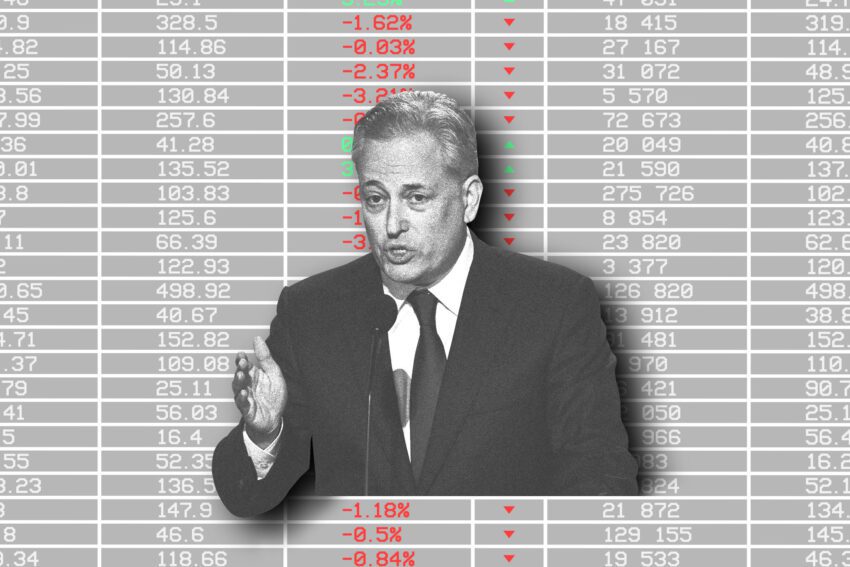
the far right is mobilizing against trump In a significant political maneuver, President Donald Trump is reportedly preparing to sign an executive order that could empower the federal government to penalize states for enacting their own artificial intelligence (AI) regulations, a move that has sparked backlash from far-right factions.
the far right is mobilizing against trump
Background on the Executive Order
The anticipated executive order comes on the heels of Congress’s decision not to include a ban on state AI laws in the National Defense Authorization Act (NDAA). This decision has left many lawmakers and stakeholders in the tech industry pondering the implications of state-level regulations on AI technologies. The NDAA, which typically outlines defense spending and policy, has historically been a platform for broader legislative discussions, including technology and innovation. However, the absence of a state AI law ban indicates a growing divide between federal and state interests in regulating emerging technologies.
As the news of the executive order began to circulate, it became clear that the administration is looking to consolidate control over AI governance. The order is expected to grant David Sacks, a billionaire venture capitalist and the White House’s designated AI and crypto czar, significant authority in shaping federal AI policy. Sacks has been a vocal advocate for the tech industry and has previously expressed concerns about overregulation stifling innovation.
David Sacks: The AI Czar
David Sacks is no stranger to the intersection of technology and politics. As a prominent figure in Silicon Valley, he has co-founded successful companies such as PayPal and Yammer. His experience in the tech sector has positioned him as a key player in discussions surrounding AI governance. Appointed by Trump, Sacks’s role as the AI czar places him at the forefront of federal efforts to regulate artificial intelligence.
Supporters of Sacks argue that his deep understanding of the tech landscape makes him well-suited to navigate the complexities of AI regulation. They believe that his influence could help foster an environment conducive to innovation while ensuring that ethical considerations are not overlooked. However, critics contend that his close ties to the tech industry may lead to a bias in favor of corporate interests over public safety and accountability.
The Potential Impact of the Executive Order
The executive order is expected to have far-reaching implications for both states and the tech industry. By enabling the federal government to penalize states for enacting their own AI laws, the order could create a chilling effect on state-level innovation and experimentation. States have often been seen as laboratories for democracy, where new ideas can be tested before being implemented on a larger scale. This executive action may stifle that dynamic, leading to a more homogenized approach to AI regulation across the country.
Moreover, the potential for federal penalties raises questions about the balance of power between state and federal governments. The U.S. has a long history of states exercising their rights to regulate various industries, including technology. The proposed order could set a precedent that undermines state sovereignty, leading to legal challenges and further political polarization.
Reactions from the Far Right
The announcement of the executive order has elicited strong reactions from far-right factions within the Republican Party. Some members view Sacks’s appointment and the associated executive order as an overreach of federal authority. They argue that the federal government should not interfere with states’ rights to regulate technologies that could have profound implications for their residents.
Critics within the far-right have expressed concerns that the executive order could pave the way for increased federal surveillance and control over AI technologies. They fear that such measures could infringe upon individual liberties and lead to a slippery slope of government overreach. This sentiment resonates with a broader libertarian ethos that champions minimal government intervention in personal and economic affairs.
Concerns About AI Regulation
As the debate over the executive order unfolds, various stakeholders are raising concerns about the implications of AI regulation. Advocates for responsible AI development emphasize the need for comprehensive frameworks that prioritize ethical considerations, transparency, and accountability. They argue that without proper regulations, AI technologies could perpetuate biases, invade privacy, and lead to unintended consequences.
On the other hand, some industry leaders warn that overly stringent regulations could stifle innovation and hinder the U.S.’s competitive edge in the global tech landscape. They argue that a balanced approach is necessary—one that encourages innovation while safeguarding public interests. The challenge lies in finding common ground between these competing perspectives.
Implications for the Tech Industry
The tech industry is closely monitoring the developments surrounding the executive order. Companies that rely on AI technologies are particularly concerned about the potential for inconsistent regulations across states. A patchwork of state laws could create confusion and increase compliance costs for businesses operating in multiple jurisdictions.
Furthermore, the prospect of federal penalties for states could lead to a chilling effect on state-level initiatives aimed at fostering innovation. States have historically been at the forefront of technological advancements, often experimenting with new policies that can later be adopted at the federal level. If the federal government curtails this ability, it may hinder the development of groundbreaking technologies that could benefit society as a whole.
The Role of Public Opinion
Public opinion will play a crucial role in shaping the discourse surrounding the executive order. As awareness of AI technologies grows, so too does concern about their implications. Surveys indicate that many Americans are apprehensive about the ethical considerations surrounding AI, including issues related to privacy, bias, and job displacement.
As the executive order moves closer to reality, public sentiment could influence lawmakers’ responses. If constituents express strong opposition to federal overreach in AI regulation, it may prompt some lawmakers to reconsider their positions. Conversely, if the public perceives the order as a necessary step to ensure responsible AI development, it could bolster support for the administration’s efforts.
Looking Ahead
The unfolding situation surrounding the executive order and David Sacks’s role as AI czar presents a complex landscape for stakeholders across the political spectrum. As the federal government seeks to assert its authority over AI regulation, the implications for state sovereignty, industry innovation, and public safety remain uncertain.
In the coming weeks, it will be essential to monitor the reactions from both lawmakers and the public as the executive order is finalized. The balance between fostering innovation and ensuring ethical considerations in AI development will be a critical point of contention. As the debate continues, it is clear that the stakes are high for all involved.
Ultimately, the outcome of this executive order could shape the future of AI governance in the United States, influencing not only how technologies are developed and deployed but also how they are regulated at both the state and federal levels.
Source: Original report
Was this helpful?
Last Modified: December 5, 2025 at 6:40 pm
2 views