the day of the second killing A shooting incident in Minneapolis has sparked significant unrest and raised questions about law enforcement’s response to protests.
the day of the second killing
Background of the Incident
The recent shooting in Minneapolis has drawn attention not only for its immediate impact but also for the broader implications it holds for community relations and law enforcement practices. The incident occurred amid a backdrop of heightened tensions surrounding immigration enforcement and police accountability. As protests against the U.S. Immigration and Customs Enforcement (ICE) have become more frequent, the community’s response has been increasingly vocal and organized.
Context of Protests
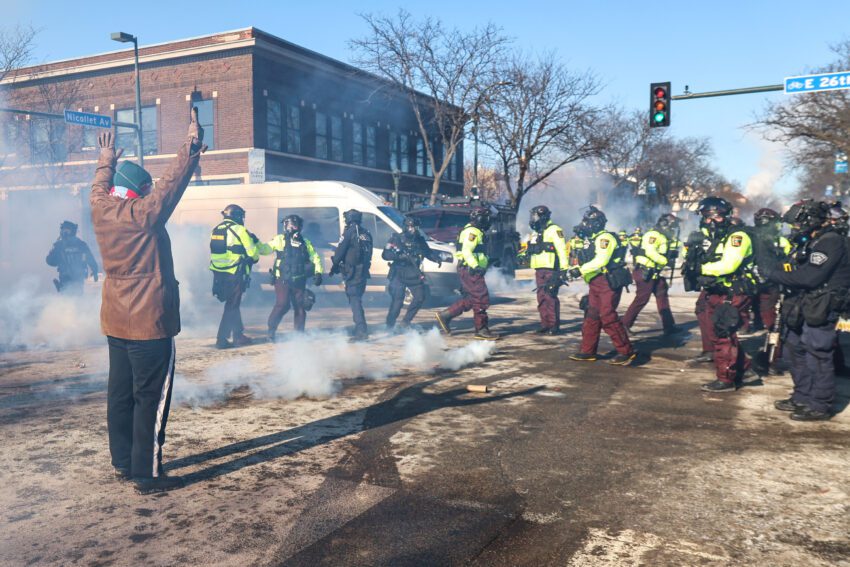
Protests against ICE have gained momentum in recent years, particularly in urban areas like Minneapolis, where immigrant communities are significant. Activists argue that ICE’s operations often lead to fear and mistrust within these communities, prompting calls for reform and accountability. The protests serve as a platform for individuals to voice their concerns about immigration policies and the treatment of immigrants in the U.S.
In this context, the shooting incident serves as a flashpoint, igniting tensions that have been simmering for some time. Activists and community members are concerned that such incidents will further exacerbate the already strained relationship between law enforcement and the communities they serve.
Details of the Shooting
Steven Garcia, a local resident, was one of the first to learn about the shooting while he was engaged in a completely different activity. He recounted, “I was in the middle of a frozen lake when I got the notification from The Minnesota Star Tribune that there had been a shooting.” Garcia was at a pond hockey event, a popular winter activity in Minnesota, when he received the news. The notification was a stark reminder of the realities facing the community, even during moments of leisure.
Concerned about the implications of the shooting, Garcia noted that a fellow participant mentioned they might not attend the event later that evening due to the anticipated protests and demonstrations. This sentiment reflected a growing apprehension among residents regarding safety and the potential for further violence.
Law Enforcement Response
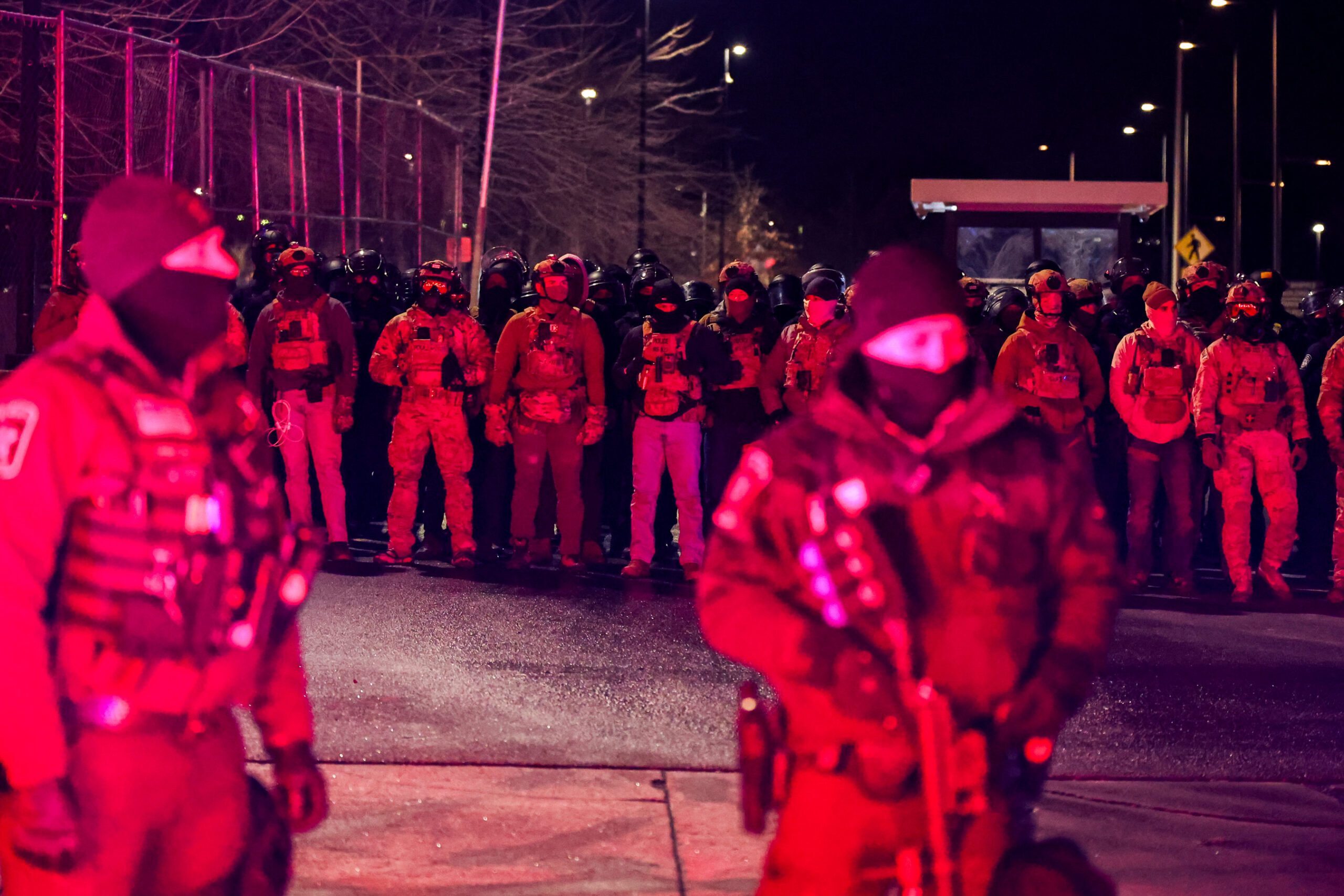
Upon arriving at the scene over three hours later, Garcia observed a significant law enforcement presence. “Federal officers had already cleared the scene,” he reported, indicating that the FBI had been involved in the initial investigation. However, by the time Garcia arrived, the only law enforcement officials present were from local agencies, including the Minneapolis Police Department and their SWAT team.
The involvement of federal officers, such as the FBI, underscores the seriousness of the incident and the potential federal implications surrounding it. The presence of local law enforcement, particularly SWAT teams, raises questions about the appropriateness of their deployment in situations involving protests and community unrest.
Community Reactions
The community’s reaction to the shooting has been one of shock and anger. Many residents expressed their concerns about the safety of protests and the potential for further violence. Activists have taken to social media to voice their frustrations, calling for accountability and transparency from law enforcement agencies.
Voices from the Community
Community leaders have emphasized the need for dialogue between law enforcement and residents. “We need to find a way to bridge the gap,” said Maria Lopez, a local activist. “This incident is a reminder that we cannot ignore the underlying issues that lead to such violence.” Lopez’s comments reflect a broader sentiment among community members who are advocating for systemic change.
Moreover, some residents have expressed fears that the shooting could deter individuals from participating in future protests. “If people feel unsafe, they won’t come out,” said John Kim, a local organizer. “That’s exactly what we don’t want. We need to stand together.” Kim’s remarks highlight the delicate balance between safety and activism in a climate of uncertainty.
Implications for Law Enforcement
The shooting incident raises critical questions about law enforcement practices, particularly in how they handle protests and community demonstrations. Critics argue that the militarization of police forces can escalate tensions rather than de-escalate them. The deployment of SWAT teams in situations involving protests has been a contentious issue, with many advocating for a more community-oriented approach.
Calls for Reform
In the wake of the shooting, calls for reform have intensified. Activists are urging local government officials to reconsider their approach to policing protests. “We need to prioritize community safety over militarized responses,” said activist Sarah Chen. “It’s time for a change.” Chen’s statement echoes a growing movement advocating for police reform across the nation.
Moreover, the incident has prompted discussions about the need for better training for law enforcement officers in handling protests. Many community members believe that officers should be equipped with conflict resolution skills and trained to engage with protesters in a non-confrontational manner.
Looking Ahead
The aftermath of the shooting will likely shape the future of protests in Minneapolis and beyond. As community members continue to grapple with the implications of the incident, the need for constructive dialogue and reform remains paramount. The events that unfolded serve as a reminder of the complexities surrounding law enforcement, community relations, and the ongoing struggle for justice and accountability.
Future Protests and Community Engagement
As the community prepares for future protests, organizers are focusing on creating safe spaces for dialogue and engagement. “We want to ensure that everyone feels safe to express their concerns,” said Kim. “Our goal is to unite the community and advocate for change.” This proactive approach aims to foster a sense of solidarity among residents while addressing the underlying issues that contribute to tension between law enforcement and the community.
In addition to organizing protests, community leaders are also exploring alternative methods of advocacy. “We’re looking into community forums and workshops,” said Lopez. “Education is key to understanding each other’s perspectives.” This emphasis on education highlights the importance of fostering mutual understanding in a time of division.
Conclusion
The shooting incident in Minneapolis serves as a critical juncture for the community, highlighting the urgent need for reform and dialogue between law enforcement and residents. As tensions continue to rise, the community’s response will play a pivotal role in shaping the future of protests and the ongoing fight for justice. The path forward will require collaboration, understanding, and a commitment to addressing the systemic issues that have led to such violence.
Source: Original report
Was this helpful?
Last Modified: January 26, 2026 at 10:38 am
1 views