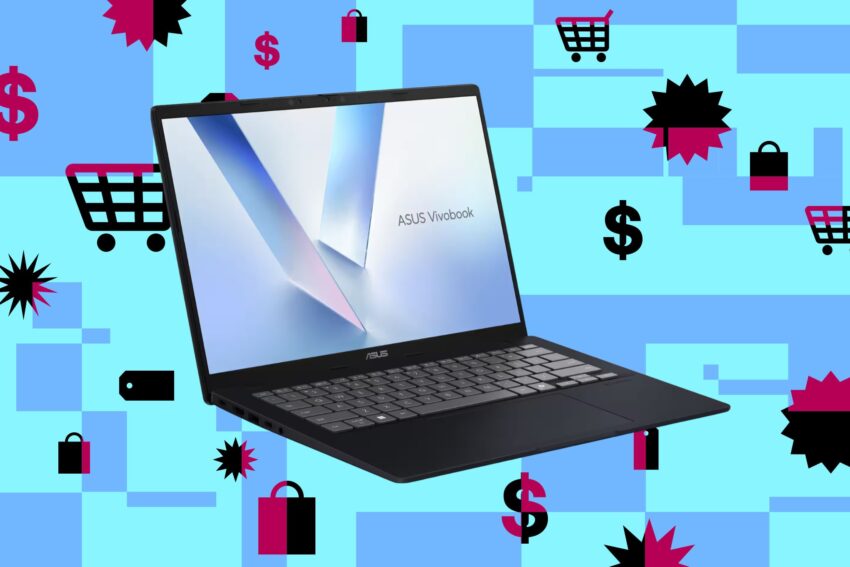
the 14-inch arm-based asus vivobook is half The Asus Vivobook 14, featuring an ARM-based Snapdragon X processor, is currently available at a significant discount, making it an attractive option for budget-conscious consumers.
the 14-inch arm-based asus vivobook is half
Overview of the Asus Vivobook 14
The Asus Vivobook 14 is a compact laptop that has garnered attention for its affordability and performance. With a 14-inch display, it is designed for users who prioritize portability without sacrificing essential features. The laptop is equipped with 16GB of RAM and a 512GB SSD, making it suitable for everyday tasks such as web browsing, document editing, and casual content creation. Currently, Best Buy is offering this model in a “quiet blue” color scheme for $379.99, down from its original price of $749.99. This price point makes it one of the more compelling options in the budget laptop market.
Performance and Specifications
At the heart of the Asus Vivobook 14 is the Snapdragon X processor, an eight-core chip that provides solid performance for most users. While it sits below the more powerful X Plus and X Elite processors found in higher-end laptops, it still offers adequate performance for general use. The Snapdragon X is particularly well-suited for tasks that do not require heavy system resources, such as web browsing, streaming videos, and light productivity work.
One of the key advantages of the Snapdragon X processor is its compatibility with x86 and x64 applications, thanks to advancements in emulation technology. This means that users can run many popular applications that were traditionally designed for Intel and AMD processors, albeit with some limitations. While it may not be the ideal choice for users who rely on system-intensive applications like video editing software or high-end gaming, it is more than capable of handling everyday tasks.
Design and Build Quality
The design of the Asus Vivobook 14 is both sleek and functional. Weighing in at a manageable size, it is easy to carry around, making it a suitable option for students and professionals on the go. The laptop features a relatively large trackpad, which enhances the user experience by providing ample space for navigation. Additionally, it comes equipped with a 1080p Windows Hello IR webcam, allowing for secure facial recognition login and high-quality video calls. A physical cover for the webcam adds an extra layer of privacy, a feature that has become increasingly important in today’s digital landscape.
Port Selection
Despite being a budget-friendly laptop, the Asus Vivobook 14 does not skimp on connectivity options. It includes:
- Two USB-A 3.2 Gen 1 ports
- Two USB-C 3.2 Gen 1 ports (both support charging and DisplayPort output)
- HDMI 2.1 output
- A headphone jack
This diverse port selection allows users to connect various peripherals, such as external monitors, storage devices, and audio equipment, enhancing the laptop’s versatility.
Market Context and Implications
The introduction of ARM-based laptops, such as the Asus Vivobook 14, has marked a significant shift in the laptop market. Traditionally dominated by Intel and AMD processors, the landscape is evolving as more manufacturers explore ARM architecture. The Snapdragon X series processors represent a step forward in performance and compatibility, making it easier for consumers to transition from traditional laptops to ARM-based devices.
While the Asus Vivobook 14 may not be suitable for power users, it fills a crucial niche for those seeking an affordable and portable laptop for everyday tasks. As more consumers become aware of the capabilities of ARM-based laptops, demand for such devices is likely to increase. This trend could lead to further innovations in the sector, as manufacturers strive to enhance performance and compatibility.
Stakeholder Reactions
Reactions to the Asus Vivobook 14 and the broader trend of ARM-based laptops have been mixed. Some tech enthusiasts and industry experts have praised the device for its affordability and performance, highlighting its suitability for casual users. Others, however, remain skeptical about the long-term viability of ARM-based laptops, particularly concerning their ability to run high-performance applications.
Consumers have expressed a range of opinions as well. Many budget-conscious shoppers appreciate the significant discount on the Asus Vivobook 14, viewing it as a great value for a laptop that meets their needs. However, some users have voiced concerns about the limitations of ARM architecture, particularly regarding software compatibility and performance in demanding applications.
Comparative Analysis with Other Budget Laptops
When evaluating the Asus Vivobook 14, it is essential to consider how it stacks up against other budget laptops on the market. Competing models often feature Intel or AMD processors, which have established reputations for performance and compatibility. However, the introduction of ARM-based options like the Vivobook 14 offers consumers an alternative that may be more appealing in certain scenarios.
Intel and AMD Alternatives
Many budget laptops equipped with Intel or AMD processors are available in the same price range as the Asus Vivobook 14. For instance, models featuring Intel’s Core i3 or AMD’s Ryzen 3 processors often provide reliable performance for everyday tasks. However, they may not offer the same level of battery efficiency as ARM-based laptops, which can be a significant consideration for users who prioritize portability.
Additionally, while Intel and AMD laptops typically excel in running a broader range of software applications, they may not offer the same level of integration with mobile applications, which is an area where ARM-based devices can shine. As mobile applications continue to gain popularity, the ability to run these applications seamlessly on a laptop may become increasingly important for consumers.
Future of ARM-Based Laptops
The future of ARM-based laptops appears promising, particularly as more manufacturers invest in this technology. As software developers continue to optimize their applications for ARM architecture, the performance gap between ARM and traditional x86 processors is expected to narrow. This could lead to a wider acceptance of ARM-based devices in both consumer and professional markets.
Furthermore, as the demand for lightweight and energy-efficient laptops grows, ARM-based options like the Asus Vivobook 14 may become increasingly popular. The combination of affordability, portability, and adequate performance for everyday tasks positions these devices well in a competitive market.
Conclusion
The Asus Vivobook 14 represents a noteworthy entry into the budget laptop market, particularly for those seeking an ARM-based option. With its Snapdragon X processor, 16GB of RAM, and 512GB SSD, it offers a compelling package for casual users. The current price of $379.99 at Best Buy makes it an attractive choice for budget-conscious shoppers looking for a reliable laptop for everyday tasks.
While it may not be the ideal solution for power users or those requiring high-performance applications, the Asus Vivobook 14 provides a solid foundation for web browsing, content creation, and general productivity. As the market for ARM-based laptops continues to evolve, it will be interesting to see how devices like the Vivobook 14 influence consumer preferences and industry trends in the coming years.
Source: Original report
Was this helpful?
Last Modified: February 4, 2026 at 10:55 pm
5 views