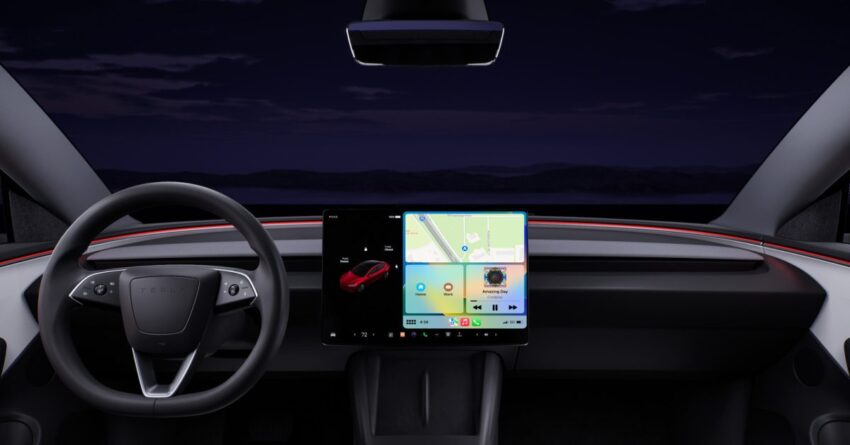
tesla still working on carplay support here Tesla is reportedly making strides toward supporting Apple CarPlay, marking a significant shift in the company’s approach to in-car software integration.
tesla still working on carplay support here
Background on Tesla’s Software Strategy
Historically, Tesla has maintained a proprietary software ecosystem that prioritizes its own features and applications over third-party integrations. This approach has allowed the company to innovate rapidly and maintain control over the user experience. Tesla’s vehicles come equipped with a robust infotainment system that includes navigation, media playback, and various vehicle controls, all designed to function seamlessly within the Tesla ecosystem.
However, as consumer preferences evolve, the demand for compatibility with popular platforms like Apple CarPlay and Android Auto has grown. These platforms offer users a familiar interface and access to their favorite apps, making them increasingly desirable features in modern vehicles. The shift toward CarPlay support indicates Tesla’s recognition of this trend and its willingness to adapt.
Recent Developments in CarPlay Support
In November 2022, Bloomberg reported that Tesla was actively working on integrating Apple CarPlay into its vehicles. This news came as a surprise to many, given Elon Musk’s previous stance against adopting third-party software in Tesla cars. Musk has often emphasized the importance of a unified user experience, which he believes could be compromised by integrating external platforms.
Despite this, the growing competition in the electric vehicle (EV) market has likely influenced Tesla’s decision. Rivals such as Ford, Volkswagen, and General Motors have already embraced CarPlay and Android Auto, providing consumers with more options and features. As a result, Tesla may feel pressure to enhance its offerings to remain competitive.
Technical Challenges and Considerations
Integrating CarPlay into Tesla’s existing software architecture poses several technical challenges. Tesla’s infotainment system is built on a unique platform that differs significantly from traditional automotive systems. This difference means that simply adding CarPlay functionality may require substantial modifications to the underlying software.
Moreover, Tesla’s commitment to over-the-air (OTA) updates complicates the integration process. The company frequently rolls out software updates that enhance vehicle performance and add new features. Ensuring that CarPlay works seamlessly with these updates will be crucial for maintaining user satisfaction.
Implications for Tesla and Its Customers
The potential introduction of CarPlay support could have several implications for Tesla and its customer base. For Tesla, it represents an opportunity to attract a broader audience, particularly those who prioritize smartphone integration in their driving experience. By offering CarPlay, Tesla could appeal to Apple users who may have previously been hesitant to purchase a Tesla due to the lack of compatibility with their devices.
For customers, the addition of CarPlay could enhance the overall driving experience. Users would gain access to a wide range of apps, including navigation tools like Google Maps and Waze, music streaming services like Spotify and Apple Music, and various messaging applications. This integration would allow drivers to utilize their smartphones more effectively while on the road, promoting convenience and safety.
Stakeholder Reactions
The announcement of Tesla’s plans to support CarPlay has elicited mixed reactions from stakeholders. Some industry analysts view this move as a necessary adaptation to changing consumer preferences. They argue that by embracing CarPlay, Tesla is acknowledging the importance of user experience in the increasingly competitive EV market.
On the other hand, some Tesla enthusiasts express concerns about the potential dilution of the brand’s unique identity. Tesla has built its reputation on innovation and a distinct user experience, and some fear that integrating third-party software could compromise these values. However, many consumers seem to welcome the change, viewing it as a step toward greater flexibility and functionality.
Comparative Analysis with Competitors
As Tesla navigates its path toward CarPlay integration, it’s essential to consider how its competitors have approached similar challenges. Many automakers have successfully integrated CarPlay and Android Auto into their vehicles, enhancing their appeal to tech-savvy consumers.
- Ford: The Ford Mustang Mach-E and F-150 Lightning both support CarPlay, allowing users to access their favorite apps seamlessly. Ford has positioned itself as a leader in the EV market, and its commitment to smartphone integration has played a significant role in attracting customers.
- Volkswagen: The ID.4, Volkswagen’s electric SUV, also features CarPlay support. Volkswagen has emphasized the importance of connectivity in its vehicles, making it a key selling point for potential buyers.
- General Motors: GM has integrated both CarPlay and Android Auto into its electric vehicle lineup, including the Chevrolet Bolt EV. This strategy has helped GM maintain relevance in a rapidly evolving market.
By comparing Tesla’s approach to that of its competitors, it becomes clear that the integration of CarPlay could be a strategic move to enhance its market position. As more consumers prioritize connectivity and smartphone integration, Tesla’s willingness to adapt may prove beneficial in the long run.
Future Prospects and Timeline
While Tesla has not provided a specific timeline for the rollout of CarPlay support, industry insiders speculate that it could be introduced in upcoming software updates. Tesla’s history of rapid innovation suggests that the company is likely to prioritize this feature, especially given the competitive landscape.
As Tesla continues to refine its software and explore new features, the integration of CarPlay could serve as a catalyst for further enhancements. For instance, Tesla may leverage the integration to introduce additional functionalities, such as improved voice recognition or enhanced navigation capabilities.
Consumer Expectations
As news of Tesla’s plans for CarPlay support circulates, consumer expectations are likely to rise. Many Tesla owners and potential buyers will be eager to see how the integration unfolds and what new features it may bring. Expectations may include:
- Seamless connectivity with iPhones and other Apple devices.
- Access to a wide range of apps and services.
- Regular updates and improvements to the CarPlay experience.
Meeting these expectations will be crucial for Tesla as it seeks to maintain its reputation for innovation and customer satisfaction. The company will need to ensure that the CarPlay experience is not only functional but also enhances the overall driving experience.
Conclusion
Tesla’s ongoing efforts to integrate Apple CarPlay into its vehicles signify a notable shift in the company’s approach to software and user experience. As consumer preferences evolve and competition intensifies, Tesla’s willingness to adapt could play a pivotal role in its future success. By embracing CarPlay, Tesla may not only attract new customers but also enhance the driving experience for existing owners. As developments unfold, stakeholders will be closely watching how this integration impacts Tesla’s market position and customer satisfaction.
Source: Original report
Was this helpful?
Last Modified: February 3, 2026 at 1:37 am
0 views