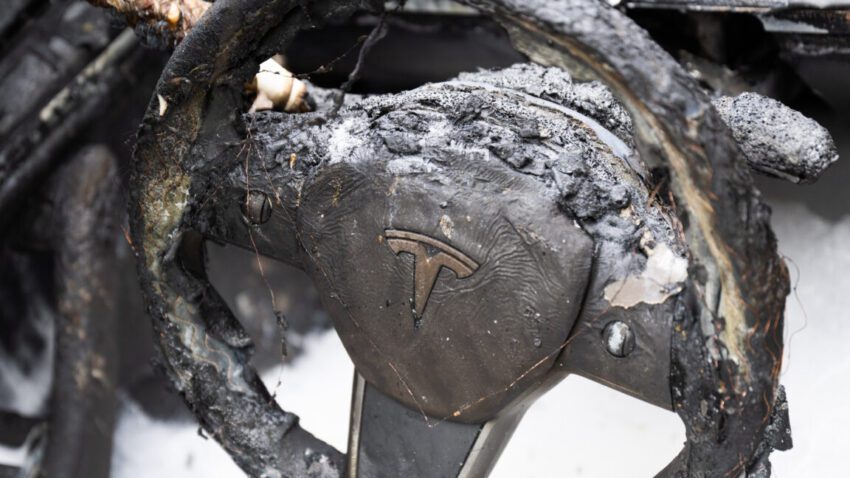
tesla sales fell by 9 percent in Tesla has reported a significant decline in its sales figures for 2025, marking its second consecutive yearly drop in deliveries.
tesla sales fell by 9 percent in
Sales Performance Overview
This morning, Tesla released its final production and delivery numbers, revealing a stark reality for the electric vehicle (EV) manufacturer. In the last quarter of 2025, Tesla’s sales plummeted by nearly 16 percent compared to the same period in 2024. This decline translates to 77,343 fewer electric vehicles sold during the final three months of the year.
When looking at the entire year, the situation appears somewhat less dire, with an overall drop of 8.6 percent year over year. In total, Tesla managed to sell 1,636,129 cars in 2025, which is 153,097 fewer than the 1,789,226 vehicles sold in 2024. Notably, this figure is still higher than the sales recorded in 2023, indicating a complex trajectory for the company.
Factors Contributing to Sales Decline
Reliance on Key Models
One of the primary factors contributing to Tesla’s sales decline is its heavy reliance on the Models 3 and Y. These two models have been the backbone of Tesla’s sales strategy, accounting for a significant portion of the company’s total deliveries. However, the lack of diversification in its product lineup has left Tesla vulnerable to market fluctuations and increased competition.
While the Model 3 and Model Y have enjoyed popularity, they have not seen substantial updates or innovations recently. Apart from a mild cosmetic refresh, neither model feels particularly fresh or modern when compared to newer offerings from competitors in Europe and Asia. As traditional automakers and new entrants ramp up their EV production, Tesla’s models may struggle to maintain their appeal in an increasingly crowded market.
Increased Competition
The competitive landscape for electric vehicles has evolved dramatically over the past few years. Established automakers such as Ford, General Motors, and Volkswagen have made significant strides in developing their EV lineups. Additionally, new players like Rivian and Lucid Motors have entered the market, offering innovative features and designs that attract consumers.
These competitors have introduced vehicles that not only match Tesla’s performance but also offer unique features and aesthetics that appeal to a broader range of consumers. As a result, Tesla faces mounting pressure to innovate and differentiate its offerings to retain its market share.
Market Saturation and Economic Factors
Market saturation is another critical factor impacting Tesla’s sales. As more consumers adopt electric vehicles, the initial surge in demand may begin to plateau. The EV market is becoming increasingly competitive, and potential buyers may be more discerning, weighing their options carefully before making a purchase.
Economic factors also play a role in Tesla’s sales performance. Rising interest rates and inflation have put pressure on consumers’ disposable income, making it more challenging for some to invest in a new vehicle, particularly a premium-priced electric one. These economic conditions can lead to decreased consumer confidence and, consequently, lower sales figures.
Implications for Tesla’s Future
The decline in sales raises several important questions about Tesla’s future trajectory. As the company grapples with these challenges, it must consider its strategies moving forward to regain momentum in the market.
Need for Diversification
To mitigate the risks associated with its reliance on the Models 3 and Y, Tesla may need to diversify its product lineup. Expanding into new segments, such as trucks or smaller, more affordable vehicles, could help the company reach a broader audience and reduce its vulnerability to market fluctuations.
Additionally, Tesla could explore partnerships or collaborations with other manufacturers to leverage shared technology and resources. Such collaborations could accelerate innovation and help Tesla remain competitive in an evolving market.
Innovation and Upgrades
Innovation will be crucial for Tesla to maintain its position as a leader in the electric vehicle space. The company must prioritize research and development to introduce new features, enhance performance, and improve the overall driving experience for consumers.
Investing in battery technology, autonomous driving capabilities, and software updates can help Tesla differentiate itself from competitors and attract new customers. Regular updates and enhancements can also foster brand loyalty among existing customers, encouraging them to remain within the Tesla ecosystem.
Stakeholder Reactions
The news of declining sales has elicited varied reactions from stakeholders, including investors, industry analysts, and consumers. Investors are likely to be concerned about the implications of these figures on Tesla’s long-term growth potential. The stock market often reacts to sales performance, and a decline in deliveries could lead to fluctuations in Tesla’s stock price.
Industry analysts are closely monitoring Tesla’s response to these challenges. Many believe that the company’s ability to innovate and adapt will be critical in determining its future success. Analysts will be looking for signs of strategic shifts or new product announcements in the coming months.
Consumers, on the other hand, may have mixed feelings. While some remain loyal to the Tesla brand, others may be swayed by the increasing number of alternatives available in the market. As competition intensifies, Tesla must work to maintain its reputation for quality and innovation to retain its customer base.
Conclusion
Tesla’s sales decline in 2025 serves as a wake-up call for the company as it navigates a challenging and rapidly evolving market. The reliance on a limited product lineup, increasing competition, and economic pressures have all contributed to this downturn. To regain its footing, Tesla must focus on diversification, innovation, and strategic partnerships. The coming year will be critical for the company as it seeks to adapt to the changing landscape of the electric vehicle market and reestablish its position as a leader in the industry.
Source: Original report
Was this helpful?
Last Modified: January 3, 2026 at 10:41 am
1 views