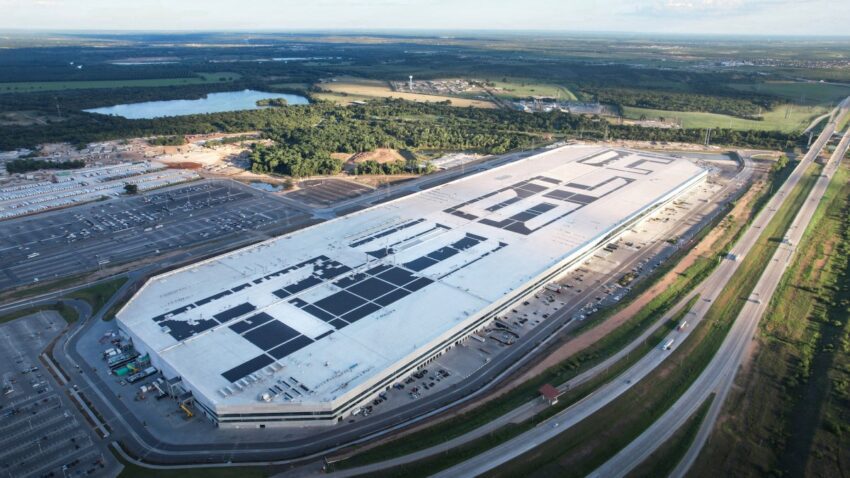
tesla s texas factory workforce reportedly shrunk Tesla’s Texas factory workforce has reportedly decreased by 22% in 2025, reflecting ongoing challenges in the electric vehicle market.
tesla s texas factory workforce reportedly shrunk
Workforce Reduction Details
According to a recent report, Tesla’s workforce at its Texas factory has declined from 21,191 employees to 16,506 over the course of 2025. This significant reduction in headcount comes as the company faces its second consecutive year of declining sales, raising questions about the sustainability of its operations and future growth in an increasingly competitive market.
Sales Decline Context
The drop in sales has been attributed to various factors, including heightened competition from other electric vehicle manufacturers, supply chain disruptions, and shifting consumer preferences. As more automakers enter the electric vehicle space, Tesla’s once-dominant market position has been challenged. Companies like Ford, General Motors, and new entrants such as Rivian and Lucid Motors have ramped up their electric vehicle offerings, leading to a more crowded marketplace.
In 2024, Tesla reported a decline in sales for the first time in its history, which was unexpected for a company that had seen rapid growth since its inception. Analysts noted that while Tesla still leads in electric vehicle sales, the growth rate has slowed considerably, prompting the company to reassess its operational strategies.
Implications of Workforce Reduction
The reduction in workforce raises several implications for Tesla and the broader electric vehicle industry. Firstly, it indicates a potential shift in Tesla’s production strategy. A smaller workforce may lead to increased automation and efficiency in manufacturing processes, which could help the company reduce costs and improve margins. However, this shift may also lead to concerns about job security among employees and the local economy surrounding the factory.
Moreover, a reduced workforce could impact Tesla’s ability to meet production targets. The company has ambitious goals for scaling its production capabilities, particularly with the introduction of new models and expansions in its product line. If the workforce continues to shrink, it may hinder Tesla’s ability to ramp up production to meet consumer demand.
Stakeholder Reactions
Reactions from stakeholders, including employees, investors, and industry analysts, have been mixed. Employees at the Texas factory have expressed concerns about job security and the company’s future direction. Many workers have voiced their worries about the implications of the workforce reduction on their livelihoods and the local economy, which has become increasingly reliant on Tesla’s operations.
Investors, on the other hand, have reacted with cautious optimism. Some view the workforce reduction as a necessary step for Tesla to streamline operations and focus on profitability. The company has been under pressure to improve its financial performance, and reducing headcount could be seen as a strategic move to cut costs in a challenging market environment.
Industry Analysts Weigh In
Industry analysts have provided insights into the potential long-term effects of Tesla’s workforce reduction. Some believe that the move could signal a shift in the company’s overall strategy, as it adapts to the changing landscape of the electric vehicle market. Analysts have pointed out that Tesla’s ability to innovate and maintain its competitive edge will be crucial in the coming years.
Furthermore, the workforce reduction may prompt other companies in the electric vehicle sector to reevaluate their own staffing and production strategies. As competition intensifies, automakers may be forced to make difficult decisions regarding their workforce to remain viable in the market.
Broader Economic Context
The workforce reduction at Tesla’s Texas factory also occurs within a broader economic context. The global economy has faced various challenges, including inflation, supply chain disruptions, and shifts in consumer behavior. These factors have contributed to a slowdown in the automotive industry, particularly for electric vehicles, which were once seen as a rapidly growing segment.
As consumers become more price-sensitive amid economic uncertainty, the demand for electric vehicles may be affected. Tesla’s pricing strategies, including recent price cuts on its models, reflect an effort to stimulate demand in a challenging market. However, these price adjustments could further impact the company’s profitability, making workforce management a critical aspect of its operational strategy.
Future Outlook for Tesla
Looking ahead, Tesla’s future will depend on its ability to navigate these challenges effectively. The company has ambitious plans for expansion, including the introduction of new models and increased production capacity. However, achieving these goals will require a careful balance between workforce management, production efficiency, and maintaining competitive pricing.
Additionally, Tesla’s commitment to innovation will play a crucial role in its long-term success. The company has consistently invested in research and development, focusing on advancements in battery technology, autonomous driving, and sustainable manufacturing practices. These innovations will be essential for Tesla to differentiate itself in a crowded market and regain momentum in sales.
Conclusion
The reported 22% reduction in Tesla’s Texas factory workforce underscores the challenges the company faces in a rapidly evolving electric vehicle landscape. As it grapples with declining sales and increased competition, Tesla’s strategic decisions regarding workforce management will be critical in shaping its future. Stakeholder reactions reflect a mix of concern and cautious optimism, highlighting the complexities of navigating the current economic environment. Ultimately, Tesla’s ability to adapt and innovate will determine its success in the coming years.
Source: Original report
Was this helpful?
Last Modified: April 4, 2026 at 4:41 am
0 views