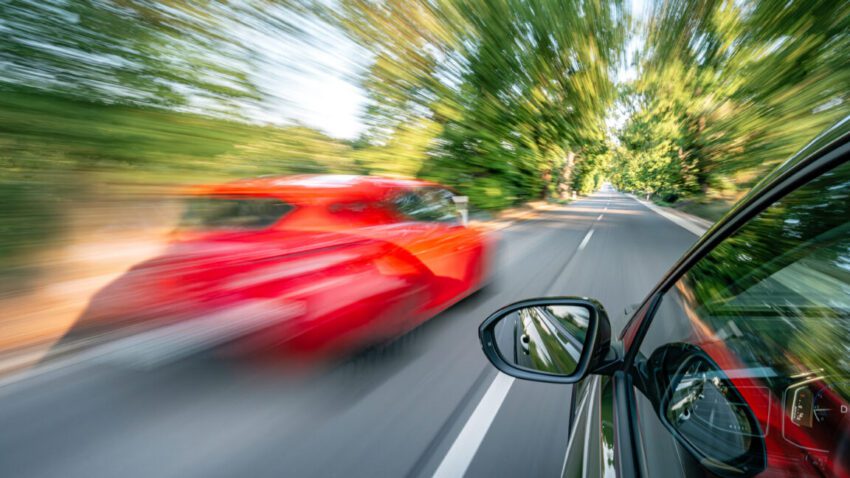
tesla s mad max mode is now Tesla’s latest firmware update introducing the “Mad Max” driving mode has caught the attention of federal regulators, raising questions about the safety and implications of such features.
tesla s mad max mode is now
Overview of Tesla’s Firmware Update
Earlier this month, Tesla rolled out a significant firmware update that introduced two new driving modes for its controversial Full Self-Driving (FSD) feature. Among these modes, “Sloth” is designed to promote cautious driving by relaxing acceleration and maintaining a steady lane position. In stark contrast, “Mad Max” is engineered for aggressive driving, allowing the vehicle to speed and weave through traffic in an effort to reach destinations more quickly.
The introduction of “Mad Max” mode has raised eyebrows, particularly following multiple reports of Tesla vehicles operating in this manner. The National Highway Traffic Safety Administration (NHTSA) has since initiated an inquiry to better understand the implications of this feature. The scrutiny comes at a time when Tesla is already facing challenges regarding the safety of its autonomous driving technologies.
Historical Context of “Mad Max” Mode
Interestingly, the concept of “Mad Max” mode is not entirely new. Tesla beta-tested a similar feature under its Autopilot system back in 2018. However, due to widespread public outcry and safety concerns, the company opted not to roll it out in a production release. This decision reflects the complex relationship between Tesla’s innovative ambitions and the regulatory landscape surrounding automotive safety.
Fast forward to today, and Tesla appears to be adopting a more daring approach. Despite recently losing a federal wrongful death lawsuit that could cost the company hundreds of millions of dollars, Tesla has positioned “Mad Max” mode as an exciting new feature. The company describes it as capable of driving “through traffic at an incredible pace, all while still being super smooth.” This characterization suggests a shift in Tesla’s marketing strategy, emphasizing performance and speed over caution.
Implications of Aggressive Driving Features
The introduction of aggressive driving modes like “Mad Max” raises several important questions regarding safety, regulatory compliance, and public perception. As Tesla continues to push the boundaries of autonomous driving technology, the potential for misuse or misunderstanding of these features becomes a significant concern.
Safety Concerns
One of the primary concerns surrounding “Mad Max” mode is its potential to encourage reckless driving behavior. While Tesla markets the feature as a way to navigate traffic quickly, it could inadvertently lead some drivers to adopt a more aggressive driving style. This is particularly concerning given that the FSD feature has already faced scrutiny for its safety record.
Data from the NHTSA indicates that Tesla vehicles equipped with FSD have been involved in a number of accidents, some of which have resulted in fatalities. The agency’s ongoing investigation into “Mad Max” mode could lead to further scrutiny of Tesla’s overall approach to safety and its commitment to ensuring that its technologies do not compromise driver or pedestrian safety.
Regulatory Landscape
The NHTSA’s inquiry into “Mad Max” mode is part of a broader trend of increased regulatory scrutiny on autonomous driving technologies. As more companies enter the self-driving space, regulators are grappling with how to ensure safety while fostering innovation. The introduction of aggressive driving modes complicates this landscape, as regulators must balance the desire for technological advancement with the imperative to protect public safety.
In the past, Tesla has faced criticism for its approach to safety and transparency. The company’s tendency to roll out features in beta form has raised concerns among regulators and safety advocates. The NHTSA’s investigation into “Mad Max” mode may prompt Tesla to reevaluate its development and deployment processes, particularly in light of its recent legal challenges.
Stakeholder Reactions
The reactions to Tesla’s “Mad Max” mode have been mixed, with various stakeholders expressing their views on the feature’s implications.
Consumer Perspectives
From a consumer standpoint, the allure of a driving mode that promises speed and excitement is undeniable. Many Tesla owners have embraced the FSD feature, viewing it as a cutting-edge advancement in automotive technology. However, there is a growing segment of consumers who are concerned about the safety implications of such features. The potential for “Mad Max” mode to encourage reckless driving behavior has led some to question whether Tesla is prioritizing performance over safety.
Industry Experts
Industry experts have also weighed in on the introduction of “Mad Max” mode. Some argue that Tesla’s aggressive marketing of this feature could set a dangerous precedent for other automakers. The automotive industry is already grappling with the challenges of integrating autonomous technologies, and the introduction of aggressive driving modes could complicate efforts to establish safety standards.
Experts emphasize the importance of clear communication regarding the capabilities and limitations of autonomous driving technologies. They argue that automakers must take responsibility for ensuring that consumers understand how to use these features safely. The potential for misunderstanding or misuse of features like “Mad Max” could have far-reaching consequences for the industry as a whole.
The Future of Autonomous Driving
The introduction of “Mad Max” mode is indicative of the broader trends shaping the future of autonomous driving. As technology continues to evolve, the automotive industry is at a crossroads, facing both exciting opportunities and significant challenges.
Technological Advancements
Technological advancements in autonomous driving are occurring at a rapid pace. Companies like Tesla are pushing the envelope, exploring new features that promise to enhance the driving experience. However, as these technologies become more sophisticated, the need for robust safety measures and regulatory oversight becomes increasingly critical.
The development of features like “Mad Max” mode highlights the need for a balanced approach to innovation. While performance and speed are appealing to consumers, they must not come at the expense of safety. The automotive industry must work collaboratively with regulators to establish guidelines that ensure the responsible deployment of autonomous technologies.
Public Perception and Trust
Public perception of autonomous driving technologies is another crucial factor that will shape the future of the industry. As incidents involving self-driving vehicles continue to make headlines, building trust among consumers will be essential. The introduction of aggressive driving modes could erode public confidence in autonomous technologies, particularly if they are perceived as unsafe.
To foster trust, automakers must prioritize transparency and accountability. Clear communication about the capabilities and limitations of autonomous features is essential to ensure that consumers understand how to use them responsibly. The NHTSA’s investigation into “Mad Max” mode may serve as a catalyst for greater scrutiny and accountability within the industry.
Conclusion
The introduction of Tesla’s “Mad Max” mode has sparked significant interest and concern among regulators, consumers, and industry experts alike. As the NHTSA investigates the implications of this aggressive driving feature, the automotive industry must grapple with the challenges of balancing innovation with safety. The future of autonomous driving will depend on the industry’s ability to navigate these complexities while fostering public trust and ensuring the responsible deployment of new technologies.
Source: Original report
Was this helpful?
Last Modified: October 25, 2025 at 5:37 am
5 views