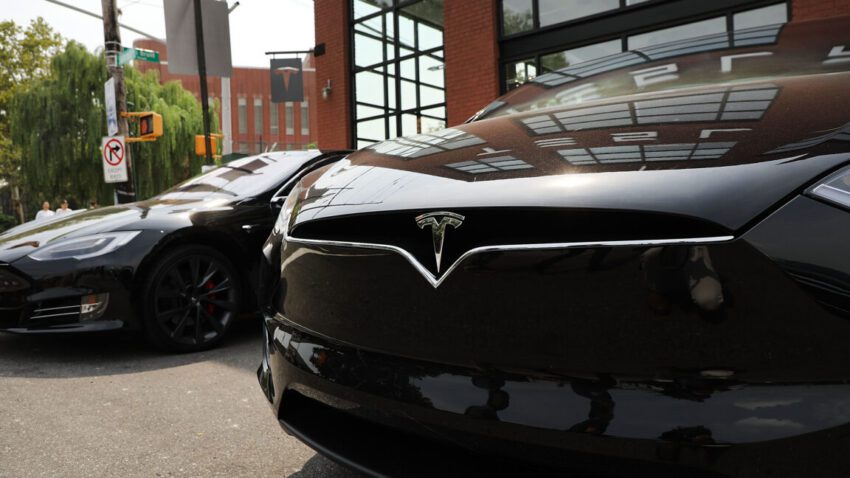
tesla kills models s and x to Tesla has announced a significant shift in its business strategy, opting to discontinue the production of its Model S and Model X vehicles to focus on developing humanoid robots.
tesla kills models s and x to
Financial Performance and Strategic Shift
On the afternoon of January 25, 2026, Tesla released its financial results for the year 2025, revealing a concerning trend for the electric vehicle manufacturer. The company reported that its profits had nearly halved, and for the first time in its history, revenues experienced a year-on-year decline. This downturn has raised alarms among investors and industry analysts alike, prompting questions about the future direction of the company.
Reasons Behind the Decline
The reasons for Tesla’s financial struggles are multifaceted. One significant factor is the controversial actions of CEO Elon Musk, whose involvement in right-wing politics and promotion of AI-generated content, including deepfakes and child sexual abuse material (CSAM), has alienated a substantial portion of potential customers. This shift in public perception has likely contributed to the company’s declining sales figures.
Moreover, Tesla’s model lineup has become increasingly limited and outdated. The company has faced scrutiny over the safety and reliability of its vehicles, which has further compounded its challenges in attracting new buyers. As the automotive market grows more competitive, Tesla’s inability to innovate and expand its offerings has left it vulnerable to rival companies.
Investor Call Insights
During the investor call that followed the financial report, it became clear that Tesla is pivoting away from its core business of electric vehicle manufacturing. Musk’s recent statements indicate a growing disinterest in the traditional automotive sector, as he appears to be captivated by the allure of cutting-edge technology and robotics.
The Allure of Robotics
In recent years, Musk has shifted his focus from building and selling cars to the ambitious goal of developing autonomous driving technologies. This transition was initially inspired by the success of Waymo, a Google spinoff that has garnered significant attention for its advancements in self-driving technology. Musk’s vision for Tesla has evolved to include the idea that vehicles could become appreciating assets, generating income for their owners through ride-hailing services.
This vision aligns with Musk’s broader interest in robotics and artificial intelligence. The decision to discontinue the Model S and Model X in favor of humanoid robots reflects a strategic pivot that aims to position Tesla at the forefront of the robotics revolution. Musk envisions a future where Tesla’s technology can be applied beyond transportation, potentially revolutionizing industries such as manufacturing, healthcare, and domestic services.
Implications of the Shift
The decision to phase out the Model S and Model X raises several implications for Tesla, its investors, and the broader automotive industry. While the move may align with Musk’s vision for the future, it also poses risks that could impact the company’s long-term viability.
Impact on Brand Loyalty
One immediate concern is the potential erosion of brand loyalty among Tesla’s existing customer base. The Model S and Model X have been flagship models for the company, representing its commitment to innovation and performance. By discontinuing these vehicles, Tesla risks alienating loyal customers who have invested in the brand and its products.
Moreover, the decision may send a signal to the market that Tesla is no longer committed to the electric vehicle segment, which could deter new customers from considering Tesla as a viable option for their next vehicle purchase. As competitors continue to introduce new electric models with advanced features, Tesla’s decision to pivot away from cars could leave it at a disadvantage.
Market Reactions
The announcement has elicited mixed reactions from investors and analysts. Some view the shift as a bold move that could position Tesla as a leader in the burgeoning robotics industry. Others, however, express skepticism about the feasibility of Musk’s vision and the potential risks associated with abandoning the automotive sector.
Investors are particularly concerned about the implications for Tesla’s stock price. Following the release of the financial results, shares of Tesla experienced volatility, reflecting uncertainty about the company’s future direction. Analysts are closely monitoring the situation, as the success of Tesla’s robotics initiative will likely depend on its ability to execute its vision effectively.
The Future of Tesla
As Tesla embarks on this new chapter, the company faces a series of challenges that will require careful navigation. The transition from automotive manufacturing to robotics is not without its hurdles, and the company will need to invest heavily in research and development to bring its vision to fruition.
Technological Advancements
To succeed in the robotics space, Tesla will need to leverage its existing expertise in artificial intelligence and machine learning. The company has made significant strides in developing autonomous driving technologies, and these advancements could serve as a foundation for its robotics initiatives. However, the complexities of humanoid robotics present unique challenges that differ from those encountered in the automotive sector.
Developing humanoid robots capable of performing a wide range of tasks will require breakthroughs in areas such as mobility, dexterity, and human-robot interaction. Tesla will need to attract top talent in robotics and AI to build a team capable of tackling these challenges. Additionally, the company will need to establish partnerships with other organizations and research institutions to accelerate its progress.
Market Competition
The robotics industry is rapidly evolving, with numerous players vying for market share. Tesla will face competition from established robotics companies as well as startups that are innovating in this space. To differentiate itself, Tesla will need to leverage its brand recognition and technological prowess to create unique and compelling products that resonate with consumers.
Furthermore, as the robotics market matures, regulatory considerations will come into play. Tesla will need to navigate the legal and ethical implications of deploying humanoid robots in various settings, including workplaces and homes. Ensuring safety and compliance with regulations will be paramount to gaining public acceptance and trust.
Conclusion
Tesla’s decision to discontinue the Model S and Model X in favor of developing humanoid robots marks a significant turning point for the company. While this strategic pivot aligns with Musk’s vision for the future, it also raises questions about the company’s commitment to the electric vehicle market and its ability to execute its ambitious plans in robotics.
As Tesla navigates this transition, it will need to address the challenges associated with brand loyalty, market competition, and technological advancements. The success of this new direction will ultimately depend on the company’s ability to innovate and adapt in an ever-changing landscape.
Source: Original report
Was this helpful?
Last Modified: January 30, 2026 at 3:45 am
0 views