tesla kills autopilot locks lane-keeping behind 99 Tesla has announced a significant change to its driver assistance offerings, transitioning from its Autopilot system to a subscription-based model for its Full Self-Driving (FSD) capabilities.
tesla kills autopilot locks lane-keeping behind 99
Background on Tesla’s Driver Assistance Systems
Over the past decade, Tesla has positioned itself as a leader in automotive technology, particularly in the realm of electric vehicles (EVs). The company has introduced numerous innovations that have reshaped consumer expectations and industry standards. Among these are over-the-air software updates, an all-touchscreen interface, and advanced driver assistance features. Tesla’s influence has prompted traditional automakers to adopt similar technologies in hopes of replicating the company’s market success.
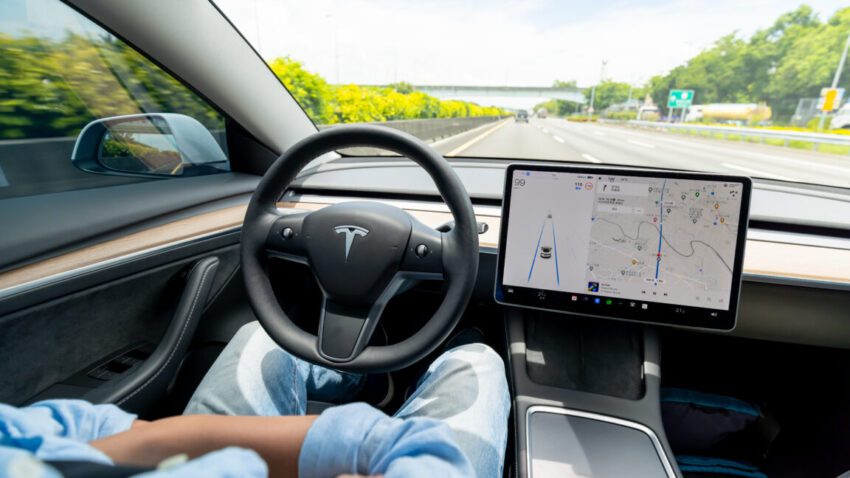
Currently, Tesla offers two primary driver assistance systems: Autopilot and Full Self-Driving (FSD). Autopilot, which has been available for several years, combines adaptive cruise control—referred to as Traffic-Aware Cruise Control (TACC)—with lane-keeping assist, known as Autosteer. This system is classified as “level 2” automation, meaning that while it can assist with driving tasks, it still requires the driver to maintain situational awareness and be ready to take control at any moment.
On the other hand, the FSD system is designed to be more advanced, with capabilities intended for navigating surface streets and divided highways. Despite its name, FSD is still not fully autonomous and requires driver supervision. Both systems have been marketed heavily by Tesla and its CEO, Elon Musk, who frequently emphasizes their potential to enhance driving safety and convenience.
Transition to Subscription Model
Starting on February 14, Tesla will discontinue the Autopilot system as a standalone feature. Instead, customers will need to subscribe to the FSD package for a fee of $99 per month if they wish to access lane-keeping capabilities. This move marks a significant shift in Tesla’s business model, emphasizing recurring revenue from software subscriptions rather than one-time vehicle sales.
The decision to lock lane-keeping behind a subscription fee has drawn mixed reactions from consumers and industry experts alike. Proponents argue that this model allows Tesla to continuously improve and update its software, providing customers with ongoing enhancements. Critics, however, contend that it may alienate some customers who expect such features to be included with their vehicle purchase.
Regulatory Scrutiny and Legal Challenges
Tesla’s driver assistance systems, particularly Autopilot, have faced increasing scrutiny from regulators and legal entities. A series of high-profile incidents involving accidents and fatalities linked to the use of Autopilot have raised concerns about the safety and reliability of the technology. As a result, multiple wrongful death lawsuits are currently in progress against the company.
One notable case resulted in a staggering $329 million judgment against Tesla, highlighting the potential financial repercussions of these legal challenges. This judgment may prompt the company to seek settlements in other ongoing lawsuits to mitigate further financial risk.
In addition to civil litigation, Tesla is also under investigation by federal and state authorities. The California Department of Motor Vehicles (DMV) has scrutinized the company’s marketing practices, particularly claims suggesting that its vehicles possess full self-driving capabilities. In December, an administrative law judge ruled that Tesla had engaged in deceptive marketing by implying that its cars could operate autonomously. This ruling led to a temporary suspension of Tesla’s license to sell vehicles in California, although the DMV later stayed this decision for 60 days, allowing the company to continue operations while it appeals the ruling.
Implications for Consumers and the Automotive Industry
The shift to a subscription model for Tesla’s driver assistance features raises important questions about the future of automotive technology and consumer expectations. As automakers increasingly adopt subscription-based services, consumers may need to reassess their understanding of vehicle ownership and the value of software features.
For Tesla owners, the new subscription fee may lead to a reevaluation of their relationship with the vehicle. While some may appreciate the ability to access the latest features and updates, others may feel that they are being charged for capabilities that should be included in the initial purchase price. This could lead to dissatisfaction among customers who perceive the subscription fee as an additional burden rather than a value-added service.
Moreover, the subscription model could set a precedent for other automakers. As the industry continues to evolve, it is likely that more companies will explore similar revenue streams, potentially leading to a fragmented landscape where consumers must navigate various subscription services to access essential features in their vehicles.
Stakeholder Reactions
The announcement of the subscription model has elicited a range of reactions from stakeholders within the automotive industry. Some industry analysts view this move as a bold strategy that aligns with broader trends toward software monetization. They argue that by transitioning to a subscription model, Tesla can create a more sustainable revenue stream that is less reliant on vehicle sales, which can fluctuate based on market conditions.
On the other hand, consumer advocacy groups have expressed concerns about the implications of this shift. They argue that it could lead to a two-tier system where only those willing to pay for subscriptions can access advanced safety features. This could disproportionately affect lower-income consumers who may struggle to afford the additional costs associated with vehicle ownership.
Additionally, some automotive experts warn that the subscription model could complicate the regulatory landscape for driver assistance technologies. As more companies adopt similar practices, regulators may face challenges in establishing clear guidelines for safety and consumer protection. This could result in a patchwork of regulations that vary by state or region, complicating compliance for automakers.
Conclusion
Tesla’s decision to discontinue Autopilot and implement a subscription fee for lane-keeping capabilities marks a pivotal moment in the evolution of automotive technology and consumer expectations. As the company navigates regulatory scrutiny and legal challenges, it remains to be seen how this new business model will affect consumer sentiment and the broader automotive landscape. The implications of this shift extend beyond Tesla, potentially influencing how other automakers approach the integration of advanced driver assistance systems and the monetization of software features.
As the automotive industry continues to evolve, stakeholders must remain vigilant in monitoring the impact of these changes on consumer rights, safety, and the overall landscape of vehicle ownership. The future of driving may increasingly hinge on the balance between technological advancement and consumer accessibility.
Source: Original report
Was this helpful?
Last Modified: January 24, 2026 at 7:41 am
0 views