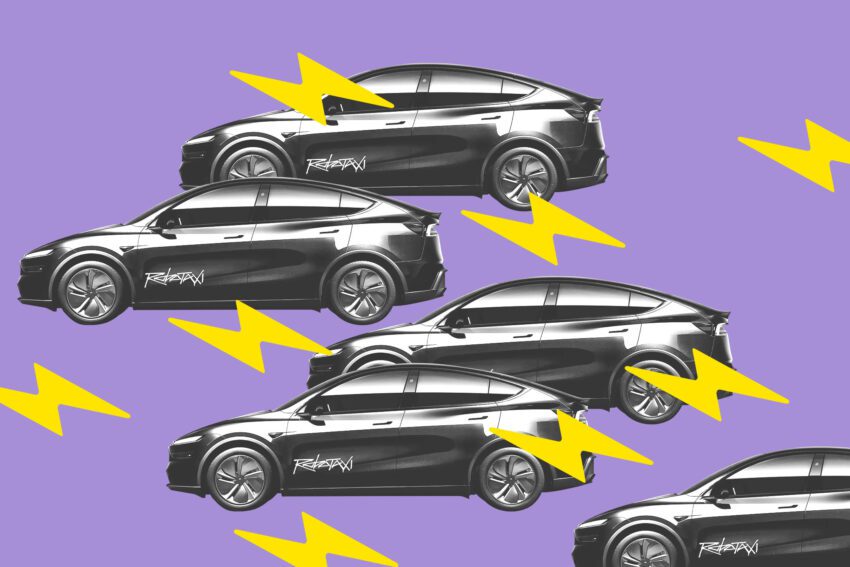
tesla is finally doing unsupervised robotaxi rides Tesla has initiated unsupervised robotaxi rides in Austin, Texas, marking a significant milestone in the evolution of autonomous vehicle technology.
tesla is finally doing unsupervised robotaxi rides
Overview of Tesla’s Unsupervised Robotaxi Initiative
In a recent development, Tesla has begun offering unsupervised robotaxi trips in Austin, Texas. This announcement was highlighted through a video shared on X, a platform where Tesla CEO Elon Musk also expressed his congratulations to the company’s AI team for achieving this important milestone. The move signifies a notable shift in Tesla’s approach to autonomous driving, as the company has been gradually expanding its robotaxi services in various locations.
Background on Tesla’s Robotaxi Program
Tesla’s robotaxi program has been in the works for several years, with the company investing heavily in artificial intelligence and machine learning technologies to enhance the capabilities of its vehicles. The primary goal of this initiative is to create a fleet of fully autonomous vehicles that can operate without human intervention, providing rides to customers on demand.
Previously, Tesla’s robotaxi services in Austin and San Francisco included human safety monitors. These monitors were positioned in the vehicles to oversee operations and ensure safety during rides. The presence of these monitors served as a precautionary measure, allowing for immediate intervention if necessary. In Austin, the safety monitor occupied the passenger seat, while in San Francisco, the monitor was seated in the driver’s position. This setup was designed to provide an additional layer of security as Tesla worked towards achieving full autonomy.
Comparison with Competitors
While Tesla has made significant strides in its robotaxi program, it is essential to note that competitors like Waymo have already launched commercial robotaxi services without the need for human safety monitors. Waymo’s approach has allowed it to operate its fleet in a fully autonomous mode, providing rides to customers without any human oversight. This difference highlights the varying strategies employed by companies in the autonomous vehicle space and raises questions about the readiness of Tesla’s technology for widespread deployment.
The Role of Safety Monitors
Elon Musk has previously stated that the human monitors in Tesla’s robotaxis were implemented as a temporary measure. He emphasized that their primary purpose was to ensure safety during the early stages of the program. Musk’s comments suggest that the company is confident in its technology and aims to transition to a fully autonomous system as soon as possible.
However, the reliance on human monitors raises important questions about the safety and reliability of Tesla’s autonomous driving technology. Critics argue that the presence of safety monitors indicates that the technology may not yet be ready for unsupervised operation. The need for a human overseer could be seen as a sign that the system is still in a developmental phase, requiring further refinement before it can operate independently.
Public Perception and Stakeholder Reactions
The introduction of unsupervised robotaxi rides has generated mixed reactions from the public and industry stakeholders. Supporters of Tesla’s initiative argue that the company is at the forefront of innovation in the automotive sector, pushing the boundaries of what is possible with autonomous driving technology. They believe that the ability to offer unsupervised rides is a significant step towards realizing the vision of a fully autonomous transportation system.
On the other hand, skeptics have raised concerns about the safety implications of deploying unsupervised robotaxis. Critics argue that the technology should undergo extensive testing and validation before being made available to the public. They emphasize the importance of ensuring that autonomous vehicles can operate safely in a variety of real-world conditions, including complex urban environments.
Implications for the Future of Autonomous Vehicles
The successful launch of unsupervised robotaxi rides in Austin has broader implications for the future of autonomous vehicles. If Tesla can demonstrate that its technology is safe and reliable, it could pave the way for the widespread adoption of autonomous transportation solutions. This shift could have far-reaching effects on urban mobility, potentially reducing traffic congestion and lowering emissions.
Moreover, the introduction of unsupervised robotaxis could disrupt traditional taxi and rideshare services. As autonomous vehicles become more prevalent, they may offer a more cost-effective and efficient alternative to human-driven transportation. This shift could lead to significant changes in the transportation landscape, impacting various stakeholders, including taxi drivers, rideshare companies, and urban planners.
Regulatory Considerations
As Tesla moves forward with its unsupervised robotaxi initiative, regulatory considerations will play a crucial role in shaping the future of autonomous vehicles. Government agencies will need to establish guidelines and standards for the safe operation of autonomous vehicles, ensuring that they meet safety requirements before being deployed on public roads.
In the United States, the regulatory landscape for autonomous vehicles is still evolving. Different states have adopted varying approaches to the testing and deployment of autonomous technologies. As Tesla expands its robotaxi services, it will need to navigate this complex regulatory environment, working closely with local authorities to ensure compliance with safety standards.
Challenges Ahead
Despite the progress made with unsupervised robotaxi rides, Tesla faces several challenges as it seeks to scale its operations. One of the primary challenges is ensuring the safety and reliability of its autonomous driving technology. The company must continue to refine its algorithms and improve its systems to handle a wide range of driving scenarios, including adverse weather conditions, unpredictable pedestrian behavior, and complex traffic situations.
Additionally, public acceptance of autonomous vehicles remains a significant hurdle. Many consumers are still wary of the idea of riding in a vehicle without a human driver. Building trust in the technology will be essential for Tesla as it seeks to expand its robotaxi services. The company will need to engage in public education efforts to inform consumers about the safety measures in place and the benefits of autonomous transportation.
Future Developments
Looking ahead, Tesla’s success with unsupervised robotaxi rides in Austin could serve as a blueprint for future expansions into other markets. If the company can demonstrate that its technology is safe and effective, it may seek to roll out similar services in additional cities across the United States and beyond.
Moreover, Tesla’s advancements in autonomous driving technology could have implications for other sectors, including logistics and delivery services. The ability to deploy autonomous vehicles for goods transportation could revolutionize supply chains, leading to increased efficiency and reduced costs.
Conclusion
The launch of unsupervised robotaxi rides in Austin represents a significant milestone for Tesla and the broader autonomous vehicle industry. While the move has generated excitement and optimism about the future of transportation, it also raises important questions about safety, public acceptance, and regulatory considerations. As Tesla continues to refine its technology and expand its services, the implications of this initiative will be felt across various sectors, shaping the future of mobility for years to come.
Source: Original report
Was this helpful?
Last Modified: January 23, 2026 at 6:53 am
0 views