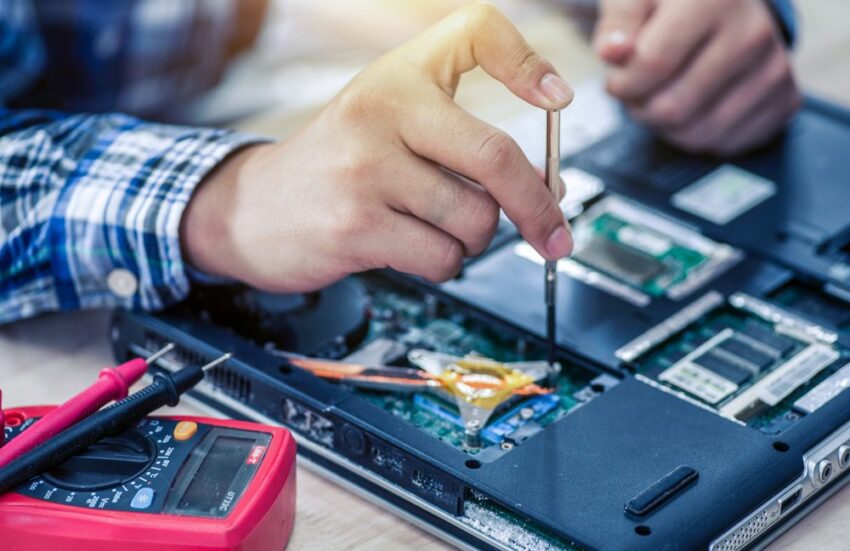
tech companies are trying to neuter colorado Colorado’s groundbreaking right-to-repair law is facing significant challenges from major tech companies aiming to limit its impact.
tech companies are trying to neuter colorado
Overview of the Right-to-Repair Movement
The right-to-repair movement has gained substantial momentum across the United States, advocating for consumers’ rights to repair and modify their own devices and equipment. This movement has been particularly prominent in Colorado, where state legislation has established some of the most comprehensive repair rights in the nation. Since 2022, Colorado has enacted several laws that empower users with the necessary tools, instructions, and legal protections to repair or upgrade their own wheelchairs, agricultural machinery, and consumer electronics. This legislative push has inspired similar initiatives nationwide, with repair bills introduced in every state and successfully passed in eight of them.
The Significance of Colorado’s Legislation
Colorado’s right-to-repair laws are notable for their breadth and inclusivity. According to Danny Katz, executive director of CoPIRG, the Colorado branch of the consumer advocacy group PIRG, “Colorado has the broadest repair rights in the country. We should be proud of leading the way.” This statement underscores the state’s commitment to consumer rights and its role as a pioneer in the right-to-repair movement.
The legislation not only allows consumers to repair their devices but also mandates that manufacturers provide the necessary resources to facilitate these repairs. This includes access to repair manuals, diagnostic tools, and replacement parts. By doing so, the law aims to reduce electronic waste, promote sustainability, and empower consumers to take control of their devices.
Challenges from Tech Companies
Despite the progress made in Colorado, major tech companies are actively working to undermine these laws. Their opposition is rooted in concerns over intellectual property, safety, and the potential for reduced profits. Companies argue that allowing consumers to repair their devices could lead to unauthorized modifications that compromise safety and functionality.
Arguments Against Right-to-Repair Legislation
- Intellectual Property Concerns: Tech companies often cite the protection of proprietary technology as a primary reason for opposing right-to-repair laws. They argue that allowing third parties to access repair manuals and parts could lead to the unauthorized reproduction of their technology, undermining their competitive advantage.
- Safety Issues: Manufacturers claim that repairs conducted by untrained individuals could pose safety risks. For example, repairing electronic devices without proper knowledge could lead to malfunctions or hazards, such as fires or injuries.
- Quality Control: Companies assert that allowing consumers to repair their devices could compromise the quality and reliability of their products. They argue that repairs performed outside of authorized service centers may not meet the same standards as those conducted by trained professionals.
Stakeholder Reactions
The response to the right-to-repair movement has been mixed, with various stakeholders expressing differing opinions. Consumer advocacy groups have largely supported the legislation, emphasizing the importance of empowering consumers and promoting sustainability. On the other hand, tech companies have mounted significant lobbying efforts to weaken or repeal these laws.
Consumer advocates argue that the right-to-repair is essential for fostering competition and innovation. By enabling consumers to repair their devices, they can extend the lifespan of products and reduce electronic waste, which is a growing environmental concern. Additionally, advocates contend that consumers should have the autonomy to choose how they maintain and upgrade their devices without being beholden to manufacturers.
The Broader Implications of Right-to-Repair Laws
The implications of right-to-repair laws extend beyond individual consumers. They have the potential to reshape entire industries by promoting competition and innovation. When consumers are empowered to repair their devices, it creates opportunities for independent repair shops and small businesses to thrive. This, in turn, can lead to job creation and economic growth in local communities.
Environmental Impact
One of the most significant benefits of right-to-repair legislation is its potential to mitigate environmental harm. Electronic waste, or e-waste, is a growing concern globally, with millions of tons of discarded electronics ending up in landfills each year. Many of these devices contain hazardous materials that can leach into the environment, posing risks to human health and ecosystems.
By enabling consumers to repair and extend the life of their devices, right-to-repair laws can help reduce the volume of e-waste generated. This aligns with broader sustainability goals and efforts to promote a circular economy, where products are designed for longevity and reuse rather than planned obsolescence.
Consumer Empowerment
Right-to-repair laws also empower consumers by giving them more control over their purchases. In an era where technology is increasingly integrated into daily life, consumers often find themselves at the mercy of manufacturers when it comes to repairs and upgrades. By enshrining the right to repair in law, consumers can make informed choices about how they maintain their devices and can seek alternatives if manufacturers do not provide adequate support.
Future of Right-to-Repair Legislation
The future of right-to-repair legislation in Colorado and across the United States remains uncertain. As tech companies continue to lobby against these laws, advocates for consumer rights will need to remain vigilant and proactive in defending the progress made thus far. The outcome of these efforts could have lasting implications for consumers, the environment, and the economy.
Potential Legislative Developments
As the right-to-repair movement evolves, it is likely that additional legislation will be introduced at both the state and federal levels. Advocates are hopeful that the success seen in Colorado will inspire other states to adopt similar measures. However, the ongoing opposition from tech companies will likely lead to contentious debates and potential legal battles.
Consumer Awareness and Advocacy
In the face of corporate opposition, consumer awareness and advocacy will play a crucial role in the future of right-to-repair legislation. As more individuals become aware of their rights and the benefits of repairable products, there may be increased pressure on lawmakers to support and expand these initiatives. Grassroots movements and public campaigns can help amplify consumer voices and influence policy decisions.
Conclusion
Colorado’s right-to-repair law represents a significant step forward in the fight for consumer rights and sustainability. While challenges from tech companies pose a threat to the effectiveness of these laws, the movement has garnered widespread support from consumers and advocacy groups alike. The implications of right-to-repair legislation extend beyond individual consumers, with potential benefits for the environment, local economies, and the broader technology landscape. As the movement continues to evolve, stakeholders must remain engaged and proactive to ensure that the right to repair is preserved and expanded.
Source: Original report
Was this helpful?
Last Modified: April 5, 2026 at 5:36 am
2 views