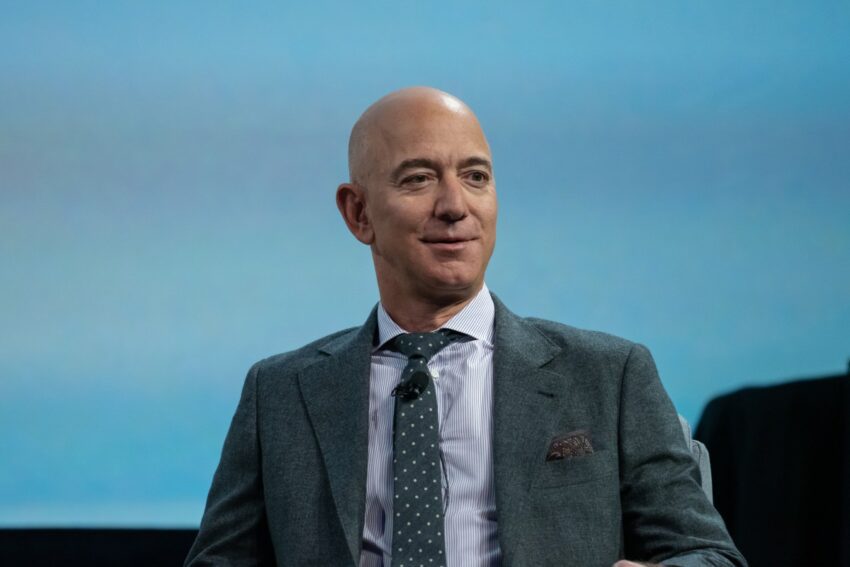
tech billionaires cashed out 16 billion in In a significant financial maneuver, tech billionaires collectively cashed out $16 billion in 2025, capitalizing on soaring stock prices.
tech billionaires cashed out 16 billion in
Overview of the Cash-Out Trend
The year 2025 marked a notable period for technology billionaires, as many of them seized the opportunity to liquidate substantial portions of their stock holdings. This trend was largely driven by a robust stock market, which saw tech shares reach new heights. The decision to cash out reflects not only individual financial strategies but also broader market dynamics that have been influencing the tech sector in recent years.
Leading the Charge: Jeff Bezos
Among the most prominent figures in this cash-out wave was Jeff Bezos, the founder of Amazon. In June and July of 2025, Bezos sold 25 million shares of Amazon, netting approximately $5.7 billion. This sale came at a time when Bezos was also making headlines for his personal life, as he was preparing to marry Lauren Sanchez in a lavish ceremony in Venice. The timing of these transactions has raised eyebrows, prompting discussions about the interplay between personal milestones and financial decisions.
Market Conditions Favoring Sales
The stock market in 2025 experienced a significant upswing, particularly within the technology sector. Factors contributing to this bullish trend included:
- Increased Consumer Spending: As the economy rebounded from previous downturns, consumer spending surged, benefiting tech companies.
- Advancements in Technology: Innovations in artificial intelligence, cloud computing, and e-commerce fueled investor confidence.
- Low Interest Rates: Continued low interest rates encouraged investment in equities, particularly in high-growth sectors like technology.
These conditions created an environment where tech stocks were not only rising but also perceived as stable investments, prompting billionaires to capitalize on their holdings.
Other Notable Cash-Outs
While Bezos’s sales were among the most significant, he was not alone in this trend. Other tech billionaires also made substantial cash-outs in 2025:
Elon Musk
Elon Musk, the CEO of Tesla and SpaceX, sold approximately $4 billion worth of Tesla shares in the same year. Musk’s decision to liquidate part of his holdings was seen as a strategic move to fund various ventures, including his ongoing projects in space exploration and renewable energy. His sales were closely monitored by investors, given Musk’s influence on Tesla’s stock price.
Mark Zuckerberg
Mark Zuckerberg, the co-founder of Facebook (now Meta Platforms), also participated in the cash-out trend. In 2025, Zuckerberg sold around $3 billion worth of Meta shares. This sale was part of a broader strategy to diversify his investments and reduce his reliance on Meta’s stock performance, especially in light of regulatory scrutiny facing the social media giant.
Other Tech Leaders
Several other tech leaders followed suit, including:
- Tim Cook: The CEO of Apple sold $2 billion in Apple shares, citing personal financial planning.
- Sundar Pichai: The CEO of Alphabet (Google’s parent company) sold $1.5 billion in shares, aiming to invest in new technology startups.
These actions reflect a broader trend among tech executives to diversify their portfolios and secure liquidity in a rapidly changing market landscape.
Implications of the Cash-Outs
The collective cash-out of $16 billion raises several important questions and implications for the tech industry and the stock market at large.
Market Reactions
Investor reactions to these cash-outs have been mixed. On one hand, some investors view these sales as a sign of confidence in the tech sector’s long-term prospects. The substantial cash-outs indicate that these billionaires believe the market is at a peak, allowing them to secure profits before any potential downturns.
On the other hand, there are concerns that such large-scale sales could signal a lack of confidence in the sustainability of stock prices. When influential figures like Bezos and Musk sell significant portions of their holdings, it can lead to volatility in stock prices, as other investors may interpret these actions as a warning sign.
Long-Term Strategies
For many of these billionaires, the decision to cash out is part of a broader long-term financial strategy. Diversification is a key principle in investment, and by liquidating portions of their stock holdings, these leaders can reinvest in other opportunities, including startups, real estate, and philanthropic endeavors.
For instance, Zuckerberg’s move to sell shares and diversify his investments aligns with a growing trend among tech executives to seek out new ventures beyond their primary companies. This diversification can help mitigate risks associated with market fluctuations and regulatory challenges.
Stakeholder Reactions
The reactions from various stakeholders, including investors, analysts, and the general public, have varied significantly.
Investor Sentiment
Many investors have expressed cautious optimism regarding the cash-outs. Some analysts suggest that these billionaires are likely to reinvest their earnings into innovative projects, which could lead to further advancements in technology and economic growth. However, there is also a palpable sense of anxiety among retail investors, who may fear that these cash-outs could lead to a market correction.
Public Perception
Public perception of these billionaires and their financial decisions is complex. While some view them as savvy investors capitalizing on favorable market conditions, others criticize them for potentially exacerbating wealth inequality. The stark contrast between the wealth amassed by these individuals and the economic struggles faced by many ordinary citizens has sparked discussions about corporate responsibility and the role of billionaires in society.
Conclusion
The $16 billion cash-out by tech billionaires in 2025 underscores a pivotal moment in the intersection of personal finance and market dynamics. As these influential figures navigate their financial landscapes, their decisions will continue to shape the tech industry and the broader economy. The implications of these actions extend beyond individual wealth, raising questions about market stability, investment strategies, and the ongoing dialogue surrounding wealth distribution in society.
Source: Original report
Was this helpful?
Last Modified: January 4, 2026 at 5:36 pm
4 views