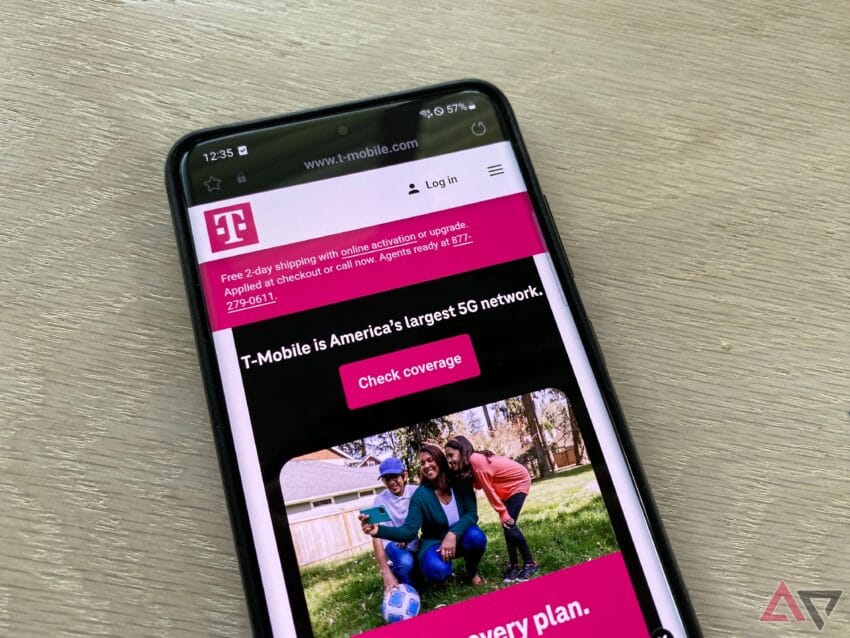
t-mobile could lead the charge in killing T-Mobile is reportedly preparing to shut down its LTE network, signaling a significant shift towards a future dominated by 5G technology.
t-mobile could lead the charge in killing
The Transition from LTE to 5G
The landscape of mobile communication is undergoing a transformative shift as T-Mobile, one of the leading telecommunications providers in the United States, appears poised to retire its LTE network. This move is indicative of a broader trend in the industry where companies are increasingly focusing on the deployment and enhancement of 5G technology. The implications of this transition are vast, affecting consumers, businesses, and the overall telecommunications ecosystem.
The Rise of 5G Technology
5G technology represents the fifth generation of mobile networks, succeeding its predecessor, 4G LTE. It promises significantly faster data speeds, lower latency, and the ability to connect a greater number of devices simultaneously. These advancements are expected to enable a range of new applications, from enhanced mobile broadband experiences to the Internet of Things (IoT) and smart city initiatives.
The transition to 5G is not merely a technological upgrade; it is a fundamental shift in how mobile networks operate. With 5G, users can expect download speeds that are up to 100 times faster than those offered by LTE. This leap in performance opens the door to innovations in various sectors, including healthcare, transportation, and entertainment.
Current State of LTE
Long-Term Evolution (LTE) technology has been the backbone of mobile communication for over a decade. It has facilitated the rise of smartphones and mobile internet usage, providing users with reliable connectivity and decent speeds. However, as technology evolves, the limitations of LTE are becoming increasingly apparent. The network struggles to handle the growing demand for data, particularly in densely populated urban areas.
As more devices come online and data consumption continues to soar, the need for a more robust network becomes critical. This is where 5G steps in, offering a solution that can meet the demands of modern users and businesses alike.
T-Mobile’s Strategic Shift
T-Mobile’s decision to phase out its LTE network is part of a larger strategy to lead the charge in the 5G revolution. The company has been at the forefront of 5G deployment in the U.S., boasting one of the most extensive 5G networks in the country. By transitioning away from LTE, T-Mobile aims to allocate resources and spectrum to enhance its 5G capabilities further.
This strategic shift aligns with T-Mobile’s long-term vision of providing customers with the best possible mobile experience. The company has consistently emphasized the importance of innovation and staying ahead of the curve in the telecommunications industry. By focusing on 5G, T-Mobile is positioning itself as a leader in the next generation of mobile technology.
Implications for Consumers
The retirement of LTE will have significant implications for consumers. While the transition to 5G promises enhanced connectivity and faster speeds, it also raises questions about compatibility and access. Many existing devices may not support 5G, leading to potential challenges for users who rely on older smartphones and devices.
- Device Compatibility: As T-Mobile phases out LTE, consumers will need to consider upgrading their devices to ensure they can take full advantage of the new network. This may lead to increased costs for users who wish to remain connected.
- Coverage and Accessibility: While T-Mobile has made significant strides in expanding its 5G coverage, there may still be areas where 5G is not yet available. Consumers in these regions could face connectivity issues as LTE is retired.
- Service Plans: T-Mobile may also adjust its service plans to reflect the transition to 5G. Consumers should stay informed about any changes to pricing or data allowances as the company shifts its focus.
Impact on Businesses
The implications of T-Mobile’s shift to 5G extend beyond individual consumers; businesses stand to benefit significantly from the enhanced capabilities that 5G offers. Industries such as healthcare, logistics, and entertainment are poised to leverage the advantages of faster and more reliable connectivity.
- Healthcare: 5G technology can facilitate remote patient monitoring, telemedicine, and the use of advanced medical devices that require real-time data transmission. This can lead to improved patient outcomes and more efficient healthcare delivery.
- Logistics: In the logistics sector, 5G can enable real-time tracking of shipments, automated inventory management, and the use of autonomous vehicles. These advancements can streamline operations and reduce costs.
- Entertainment: The entertainment industry can benefit from 5G through enhanced streaming experiences, virtual reality applications, and interactive gaming. This can lead to new revenue streams and improved customer engagement.
Stakeholder Reactions
The announcement of T-Mobile’s plans to retire its LTE network has elicited a range of reactions from stakeholders across the telecommunications landscape. Industry analysts, competitors, and consumers are all weighing in on the potential impacts of this significant shift.
Industry Analysts
Industry analysts have generally viewed T-Mobile’s move as a bold step towards embracing the future of mobile technology. Many experts believe that the transition to 5G is inevitable and that T-Mobile’s proactive approach will set a precedent for other carriers. Analysts emphasize that the retirement of LTE will ultimately benefit consumers by driving innovation and improving network performance.
Competitors
Competitors in the telecommunications space are closely monitoring T-Mobile’s actions. Companies such as Verizon and AT&T may need to reassess their own strategies in light of T-Mobile’s aggressive push towards 5G. The competitive landscape may shift as carriers vie for market share in the 5G arena, leading to potential changes in pricing, service offerings, and network expansion efforts.
Consumer Concerns
While many consumers are excited about the prospects of 5G, there are also concerns regarding the transition. Some users may feel apprehensive about the need to upgrade their devices or may worry about potential disruptions in service during the transition period. T-Mobile will need to address these concerns transparently to maintain customer trust and satisfaction.
The Future of Mobile Technology
The retirement of LTE is not just a T-Mobile initiative; it reflects a broader trend in the telecommunications industry. As 5G technology continues to evolve, other carriers are likely to follow suit in phasing out older networks. This transition will pave the way for new innovations and applications that were previously unimaginable.
As we move towards a future where 5G becomes the standard, the implications for society are profound. From smart cities to connected vehicles, the advancements enabled by 5G technology will reshape how we live, work, and interact with the world around us.
Conclusion
T-Mobile’s decision to retire its LTE network marks a pivotal moment in the evolution of mobile technology. As the company shifts its focus towards 5G, consumers and businesses alike will need to adapt to the changes that lie ahead. While the transition may present challenges, the potential benefits of enhanced connectivity and new applications are significant. As T-Mobile leads the charge, the telecommunications landscape will continue to evolve, shaping the future of communication and connectivity.
Source: Original report
Was this helpful?
Last Modified: October 7, 2025 at 3:41 pm
4 views